
CLMCE FAQ: Some Advice for Erasmus Mundus Masters Applicants
Because I’ve written about applying for and starting the CLMCE program, I’ve received a number of messages with questions from potential applicants and admitted students. So I decided to consolidate some answers and advice into a post that would be easier to share and reference — and hopefully helpful!
(In case you missed them, here are my posts about my application and starting the first semester in Glasgow).
My high-level current CLMCE experience
Learning
People
Locations
Money (Scholarship vs Self-Funded)
Payment Plan


My high-level current CLMCE experience
In the context of me providing advice about CLMCE, I am a student in the program. I applied through the same public process as everyone else, and I only really know my own experience. So what I share is inherently limited, biased, and personal.
My perspective on this program is absolutely dependent on my unique specific context of this exact program at this particular moment in my life, career experience & goals, financial situation, and experience of the program as it is for our cohort. There are insights and information that I can offer from that, but it’s really important to remember that doesn’t make it true or relevant for you and your choices. You’ll have to figure that out for yourself.
Overall, I am happy with the program and glad I’m doing it right now in my life.
It’s been a whirlwind 8 months so far, which makes me grateful that it’s a two-year program so there is enough time to settle into it a bit. I can’t imagine doing a one-year masters and am glad I knew that I wanted enough time to adjust to being in school again, to learn & grow into postgrad level academics, and to enjoy the process before it’s over too soon.
I was ready for grad school and pursuing higher academic learning, and it’s been challenging but I can feel myself learning & my brain changing, which friends told me would happen and it’s really hard but good. It is very hard but also rewarding. The challenge lies both in the time and mental effort required to do the reading, research, and writing (and I still feel like I’m doing less than I should and don’t always finish all our readings!). I really want to do more comprehensive reviews of what I’ve learned but that’s a big additional project.
So on the whole, I feel confident that it was the right decision for me at this moment in my life, consistent with all the reasons I wanted to do the program in the first place (as in: I don’t love it now for different reasons than I expected). It has generally fulfilled my expectations — but it’s worth noting that I don’t usually have very specific expectations or visions; I just make decisions based on certain personal priorities and then see what happens and am usually satisfied with my choices.
Learning
The academic shift is real. Compared to undergrad (which was 15 years ago) and last year at art school (ESMA), I have fewer scheduled class hours in CLMCE — but much heavier reading and a higher level of mental demand.
I spend hours working through just a few readings for each class. It’s slower, more analytical, and more conceptually challenging.
The assignments have been both challenging and new for me. Partly because I am out of the habit of academic study, research, and writing. I also didn’t really work with theory much in undergrad or do a thesis, so things like a literature review or journal article format are completely new for me.
My learning process this year has been a combination of the content of what we are learning, how we are learning, and how to do the work that I’m expected to produce.
So as far as advice goes on this topic, I guess I would say — prepare to struggle and figure out how you can be resilient through the difficult moments. For me, it’s a mixture of pep talks & coaching myself through the moment, friends giving pep talks, breathing, exercise, sleep, food (making sure I remember to eat protein & veggies!), listening to meditations, and just recentering my attention on the next small, tangible, manageable step to keep making progress.
This is all true in life generally, not just the program. Gotta figure out which challenges you’re willing to opt in to and how to deal with the tough times.



People
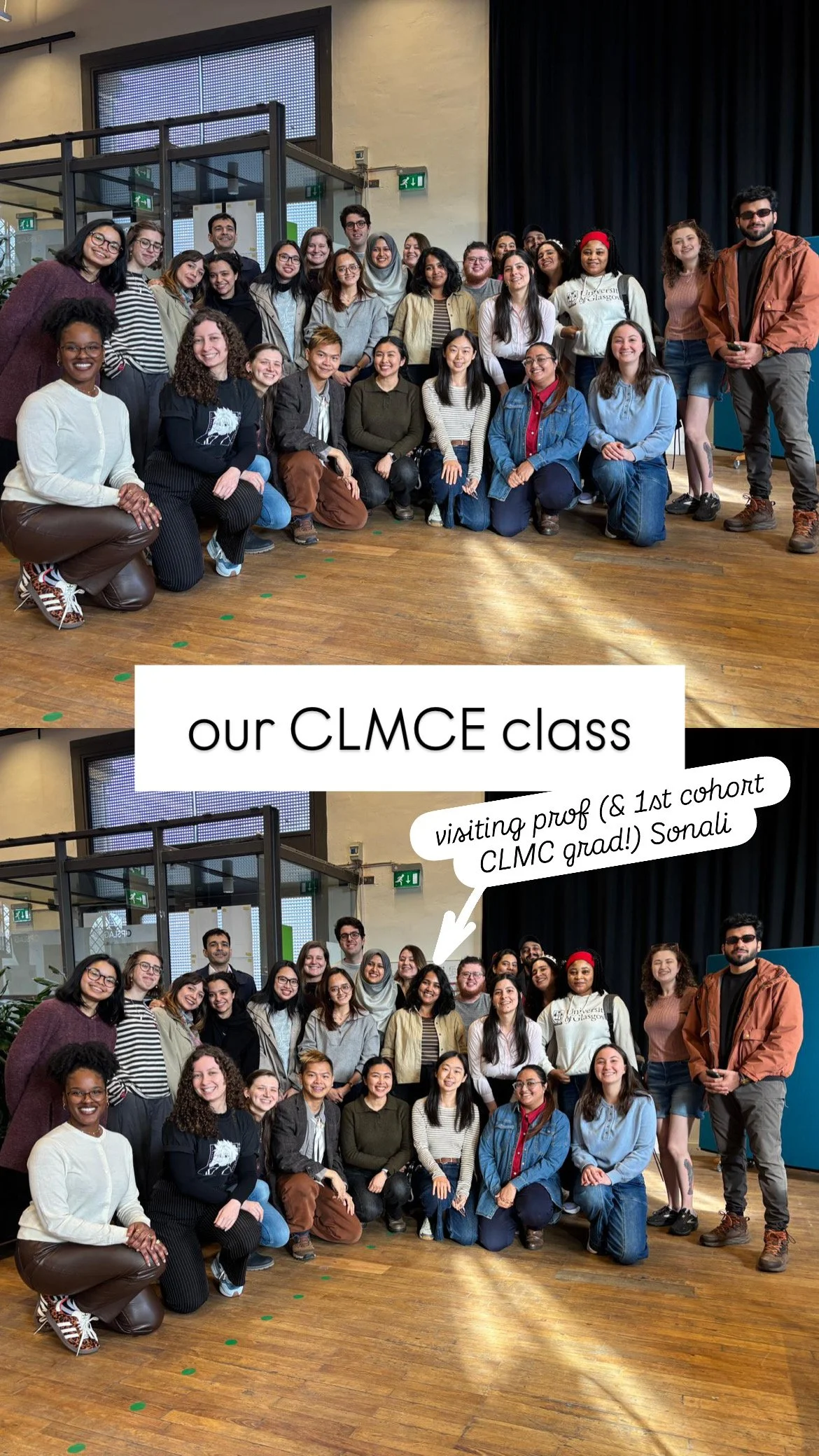
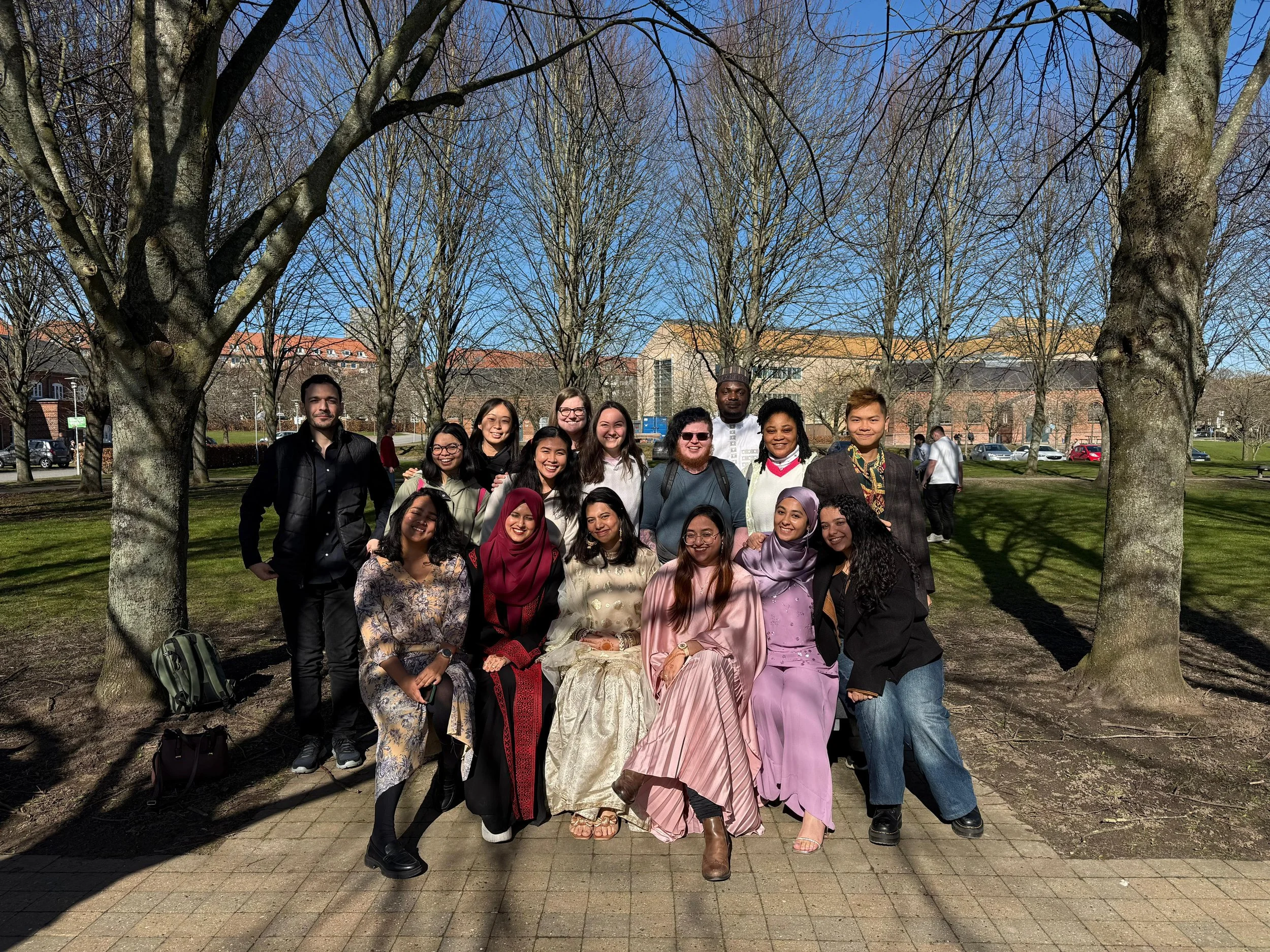
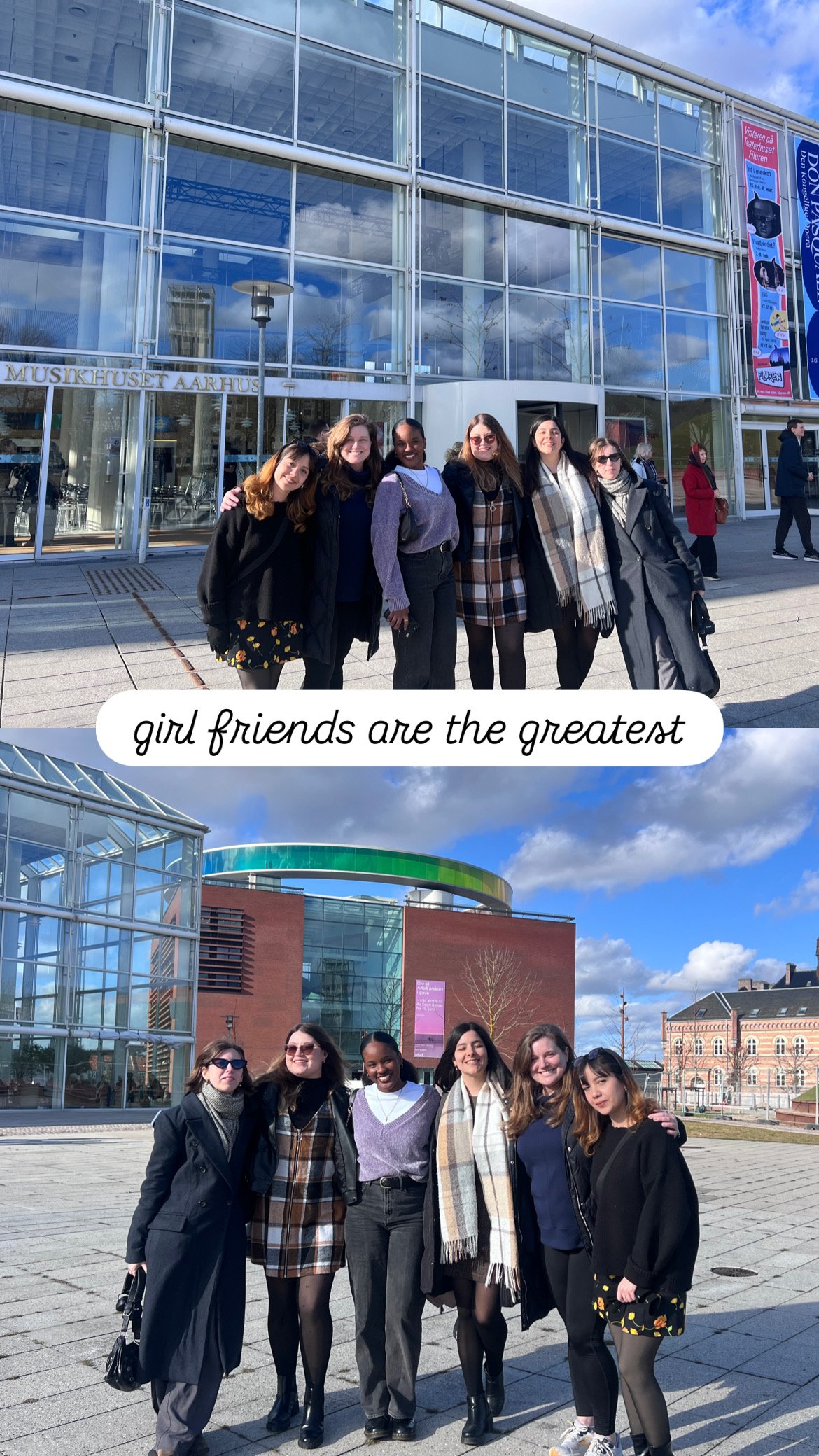
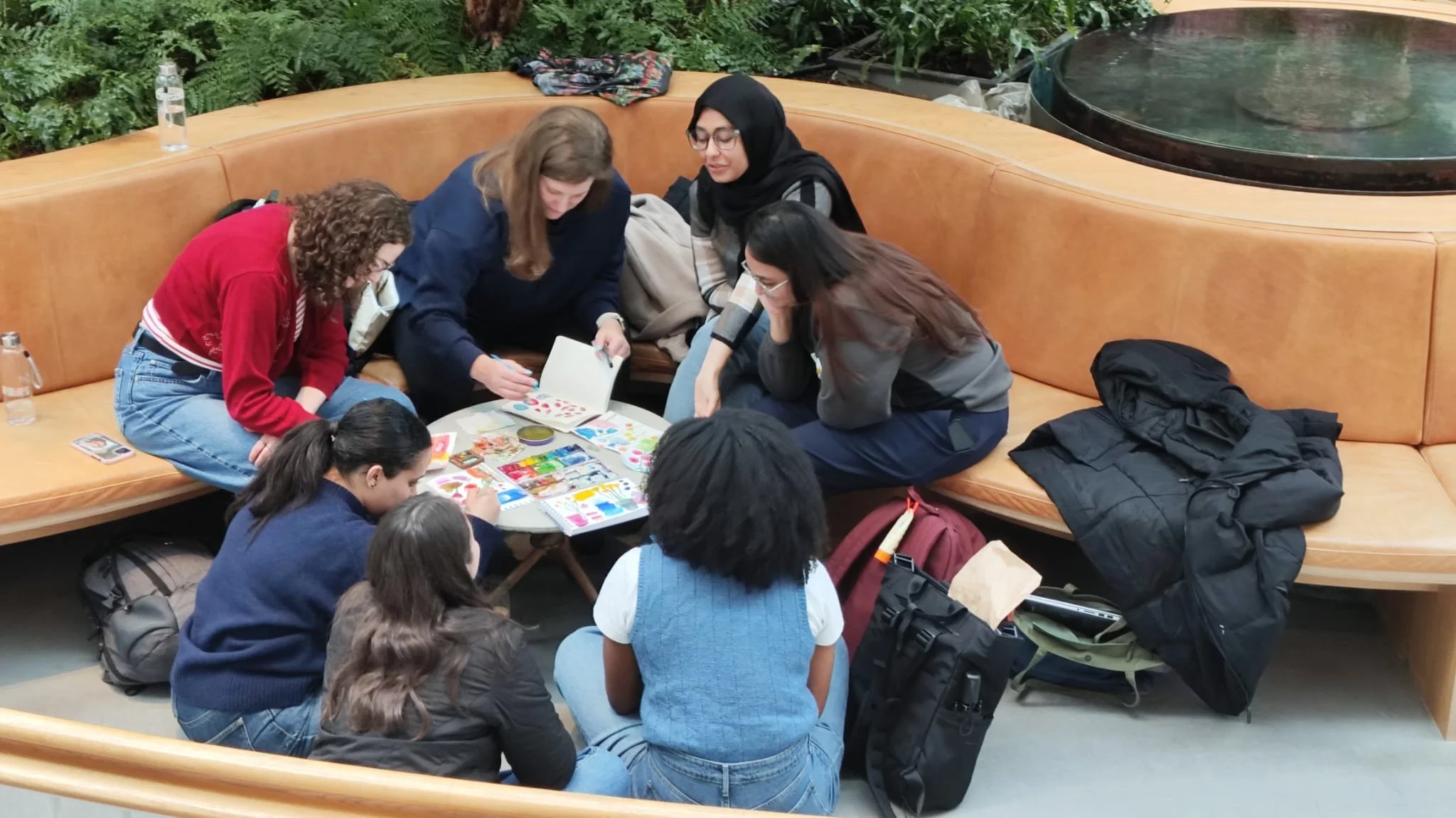
I didn’t think much about my classmates beforehand (as in: I wasn’t imagining who they would be or what class dynamics would be like; another thing my brain simply just doesn’t do ahead of time). But I’m happy to say that I’ve made some good friends in the group who I really enjoy and hope to stay close with after it ends.
It’s interesting to have so many different life experiences, backgrounds, and perspectives in the classroom — I’m glad I’m in a program with a variety of students rather than a group of pretty similar peers. I would say I was fairly well-informed and open-minded before the program, but I am still consistently pushed to see and consider things in new ways from my classmates, not just the academic content and lectures.
The professors are really nice and interesting, and it’s great to see their varied backgrounds (personally and academically). They’re obviously a huge part of the program experience, but I’m not going to focus on them in this cause that bleeds too much into writing about the academic details.
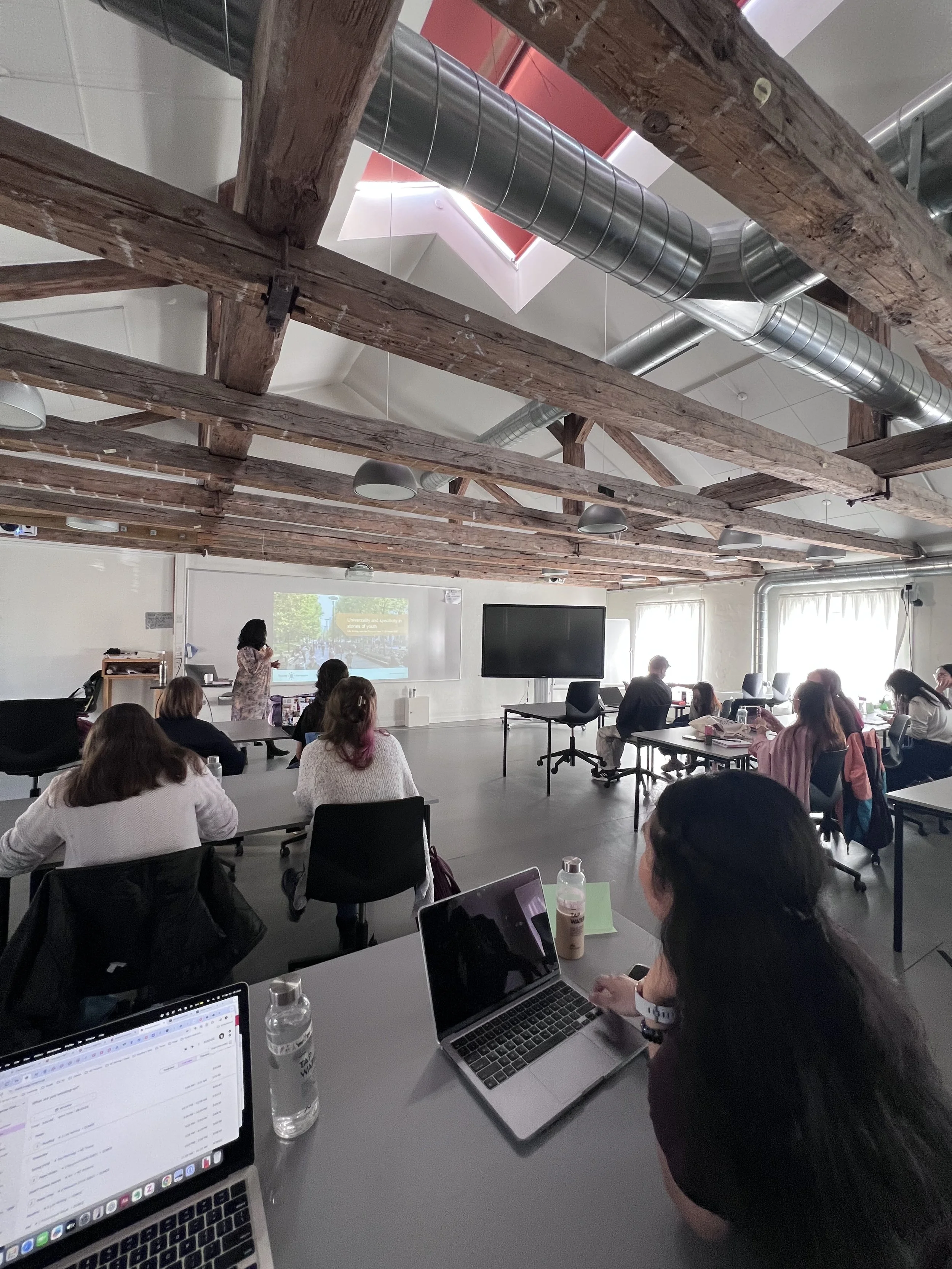
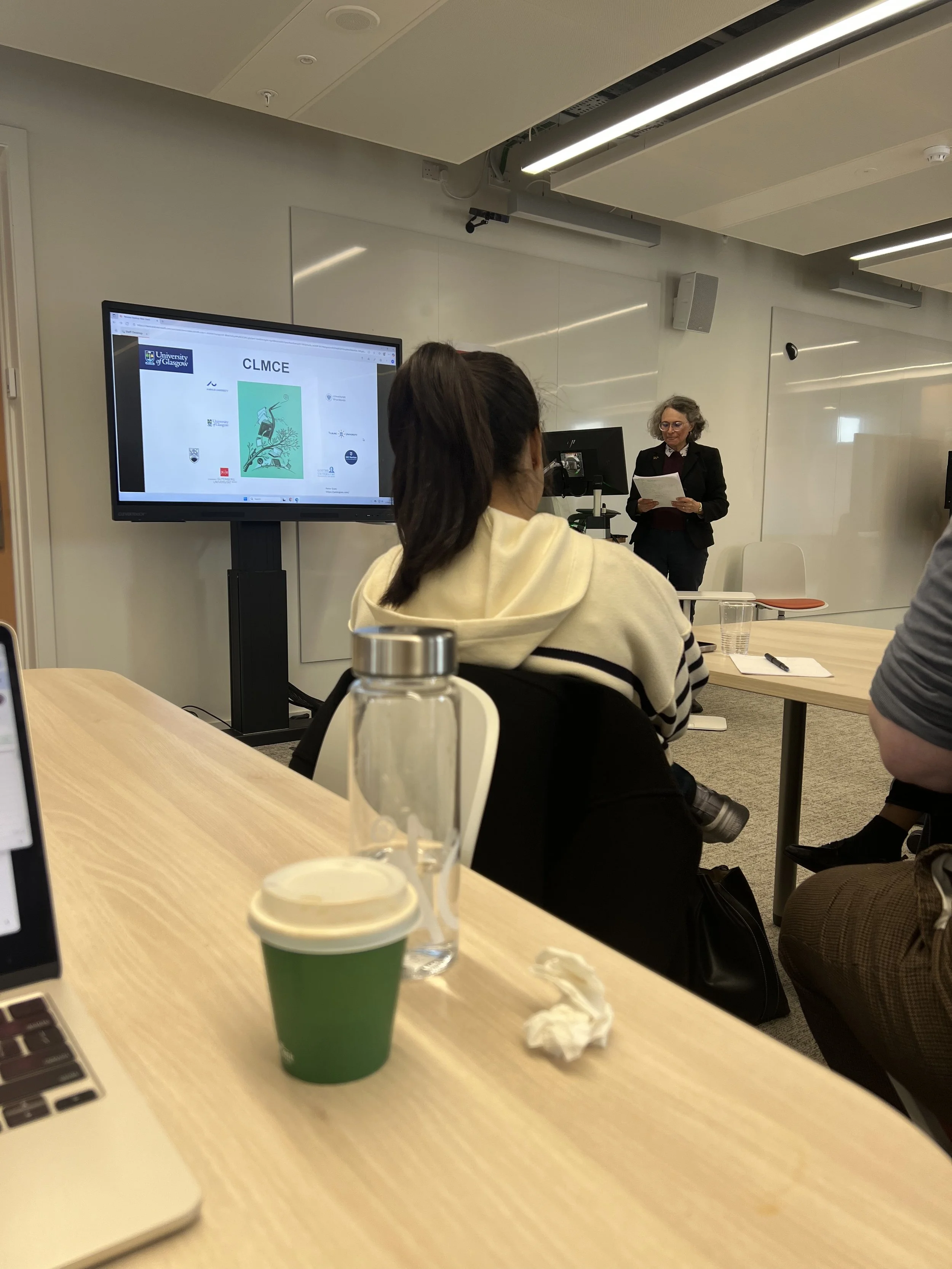
I have enjoyed our in-person classes a lot each semester; the zoom classes have been good but I’m really grateful to be doing a primarily in-person program — though I work remotely, I knew I wanted the academic experience in the classroom and also the intensity & visibility of that dynamic helps me do better at being committed to my homework.
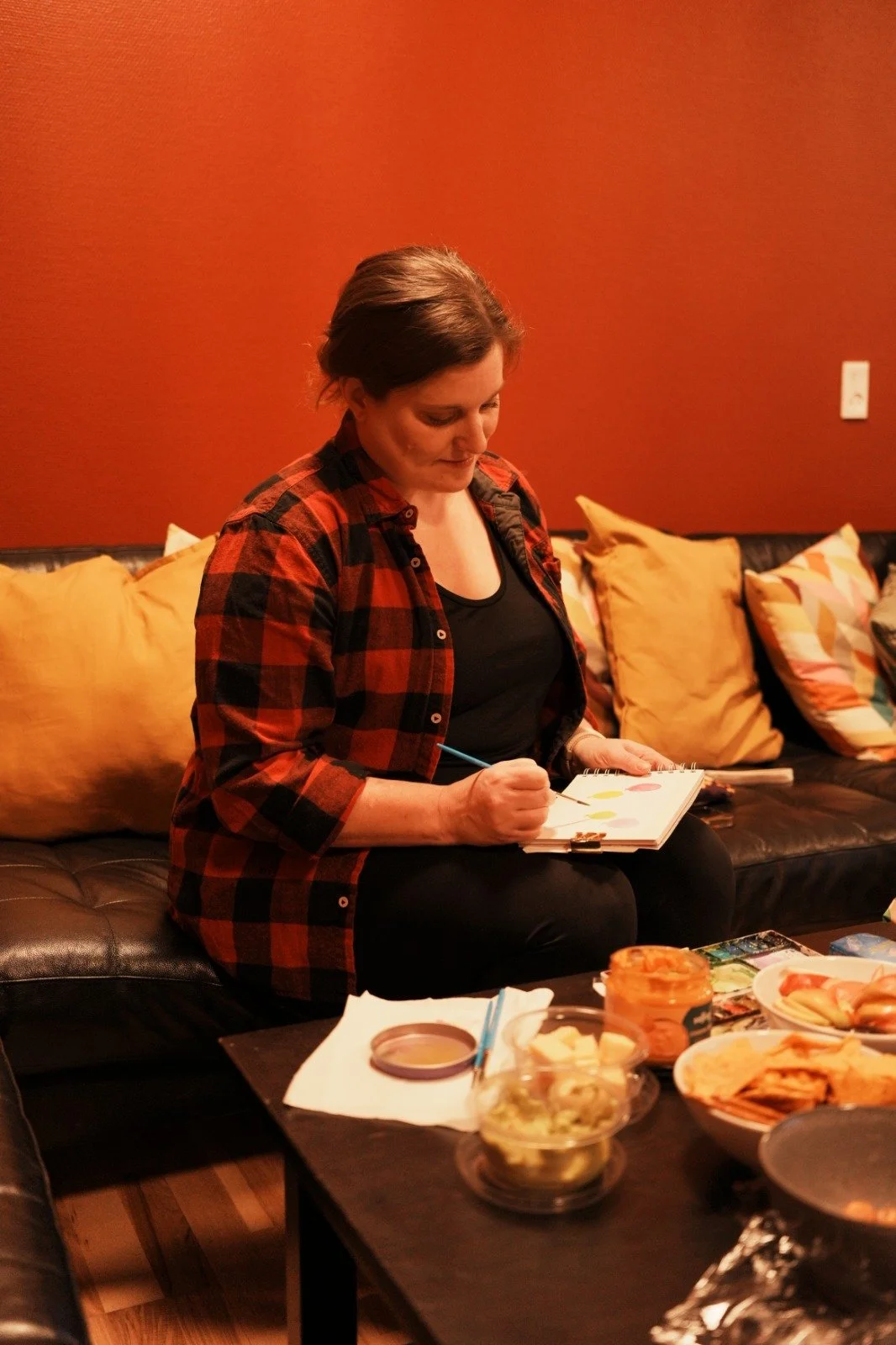
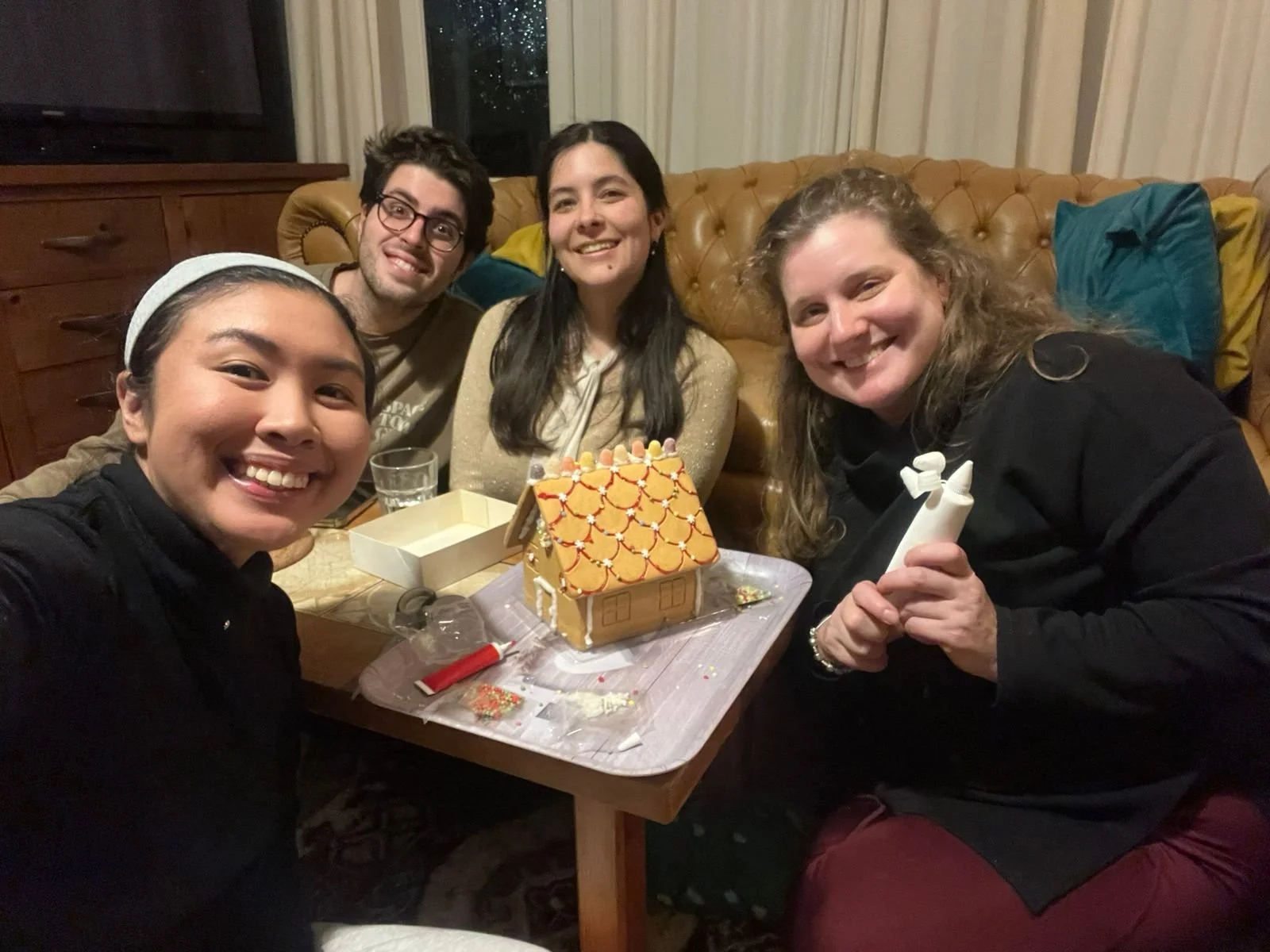
Advice? It can be awkward and intimidating to meet new people, and I took a few weeks to adjust and start being more friendly (I also was ravaged by allergies in Glasgow so I started the semester looking like a red-eyed demon: really cool and confidence inspiring). But then I just started to ask people to meet for lunch or coffee 1:1 or in small groups, and I put some activities in the main group WhatsApp chat to see if anyone wanted to join, and then I organized a Friendsgiving dinner and cooked for about 8 people. And now I feel like I’ve made some good connections and am continuing to develop my friendships in the group.
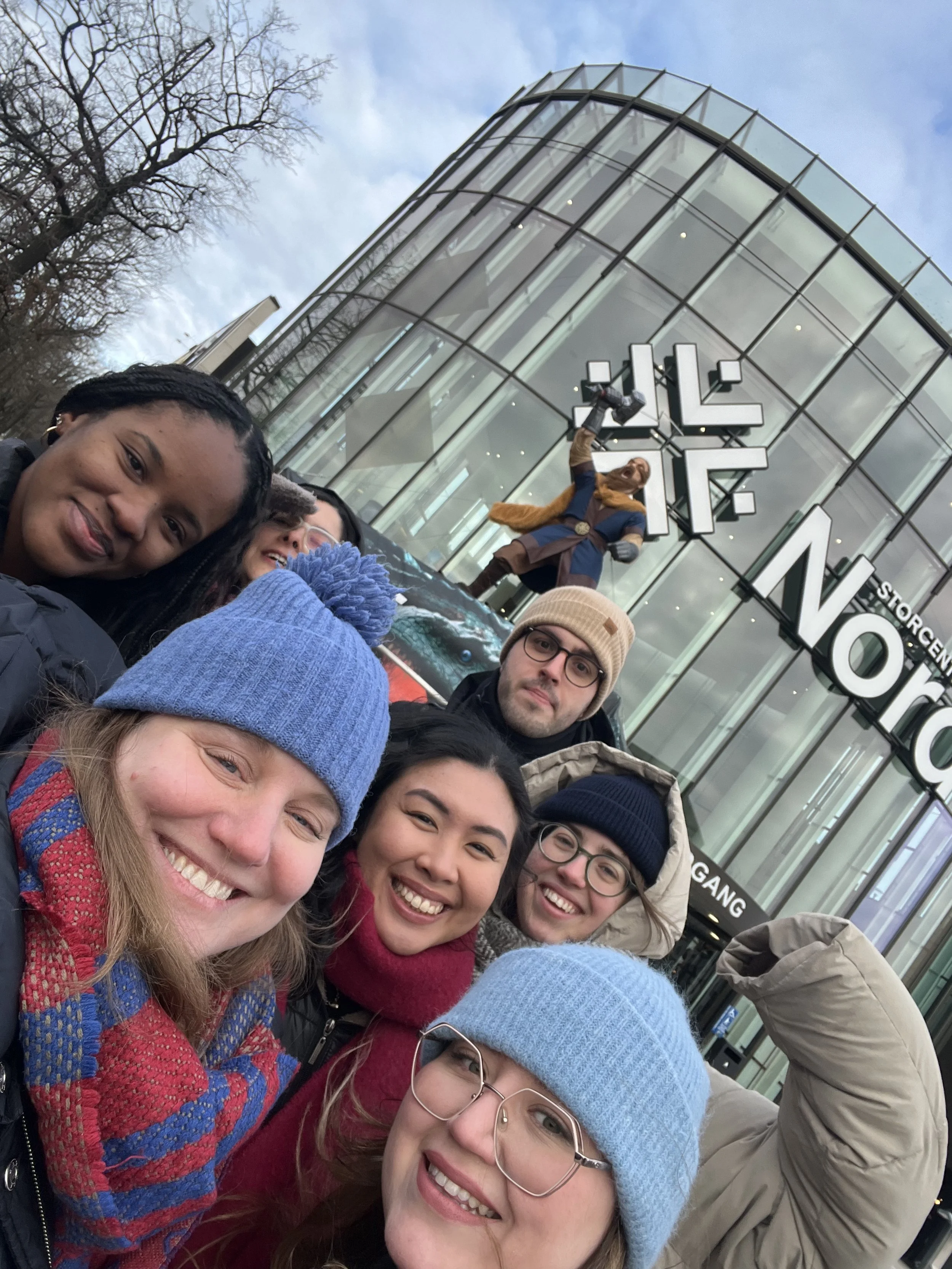
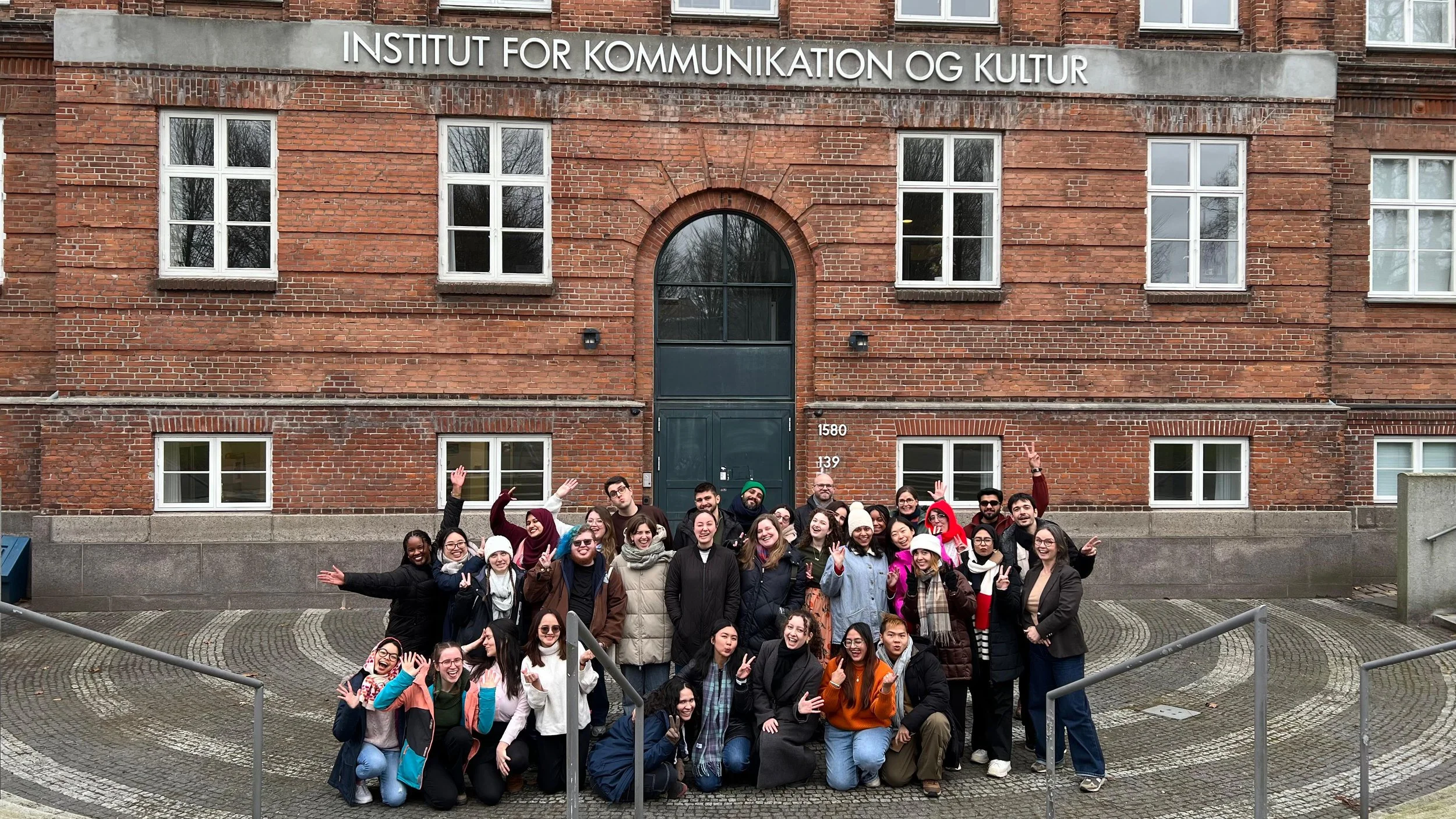
We can’t all be friends or hang out all the time (30 people is too many to manage at once or all be best friends), but we generally get along pretty well as a cohort. I’m sure we all have FOMO at times and struggle with loneliness — either feeling isolated from others in the program or just missing home, family, friends, pets, but that’s part of life too. So I think it’s partly a matter of allowing not every moment and relationship to be the best as well as putting in an effort with other people to make plans & be a good friend.
Locations
Our cohort moves to different locations each semester, which is a big part of the Erasmus Mundus masters experience.
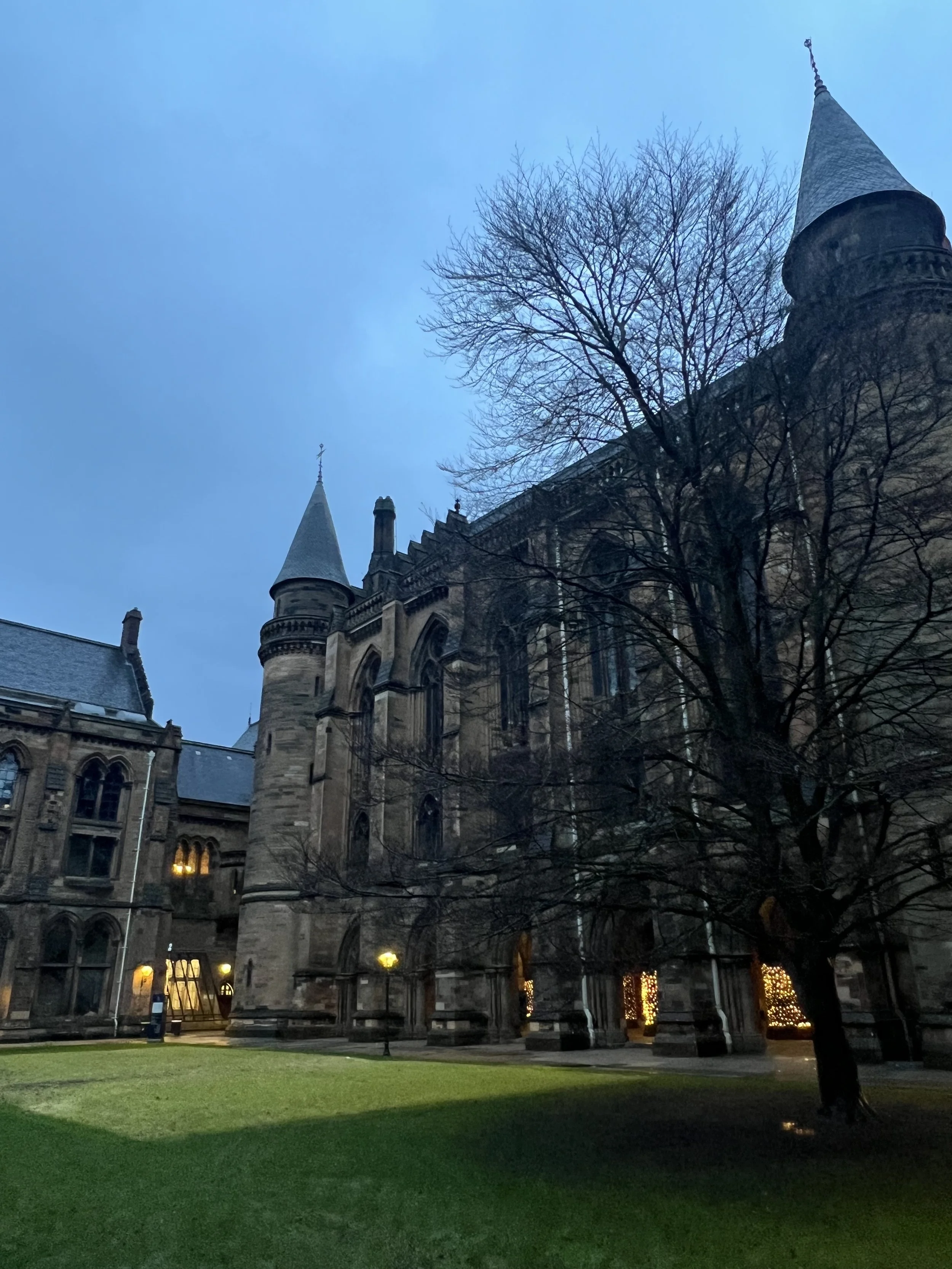
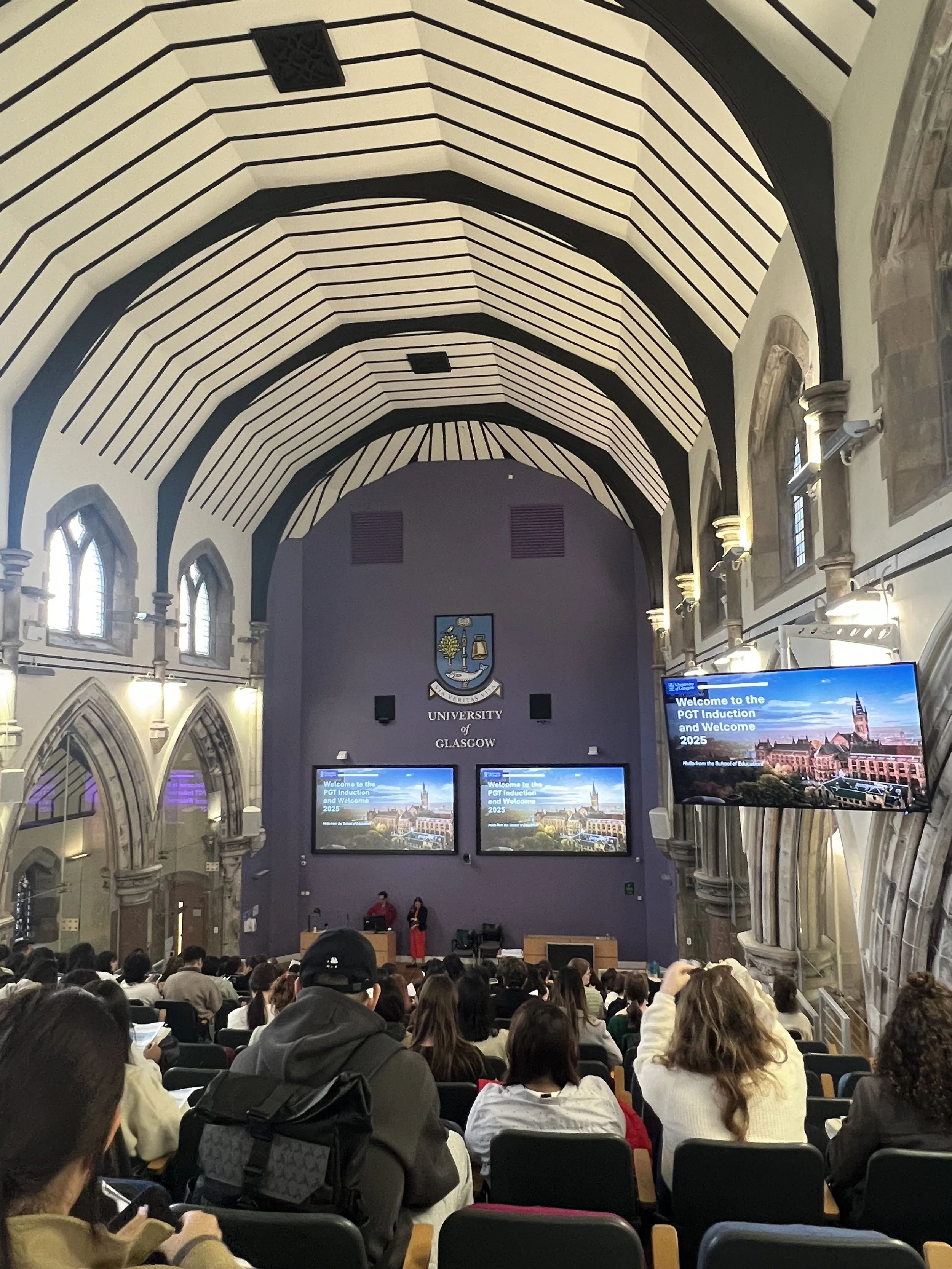
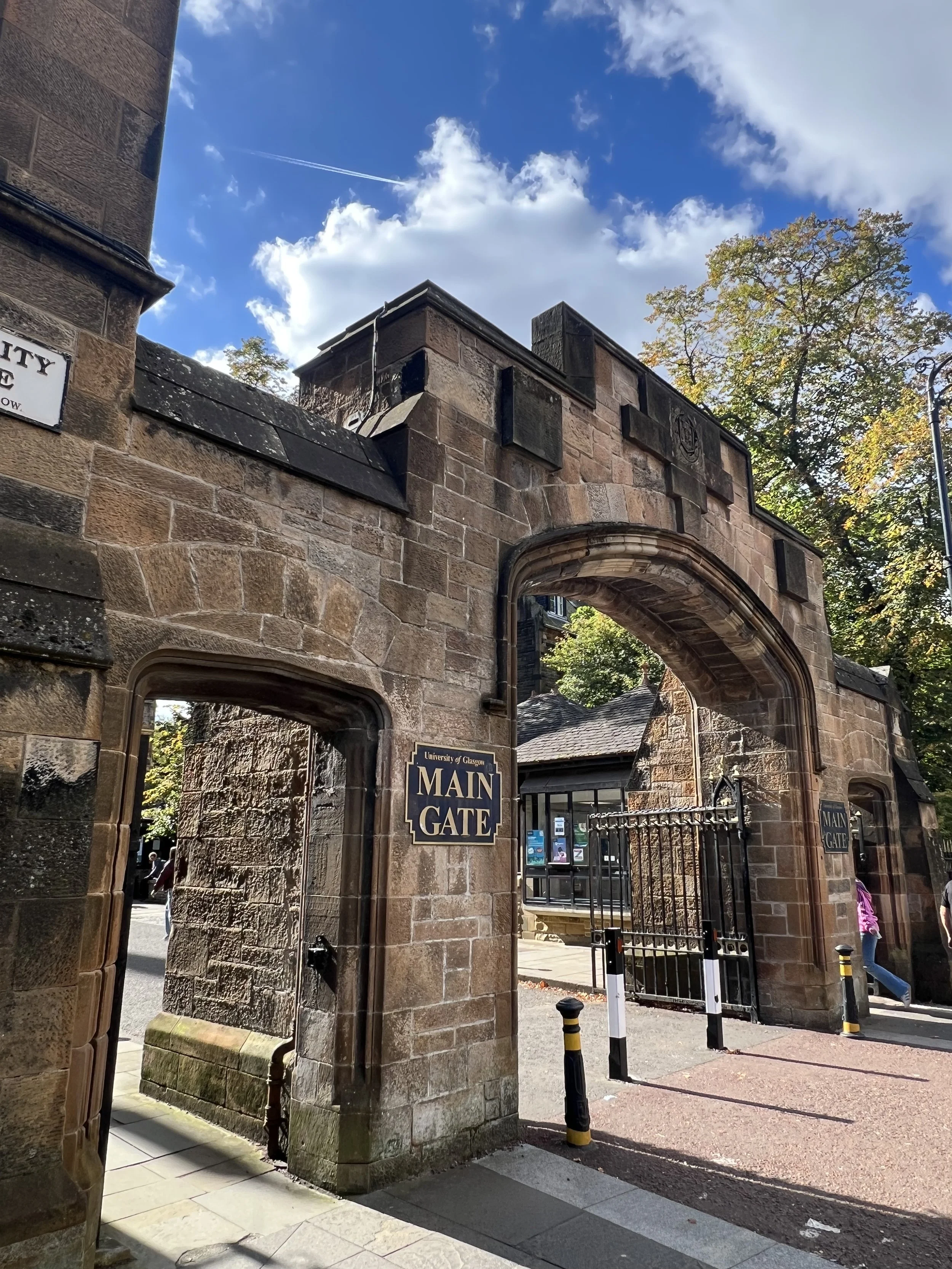
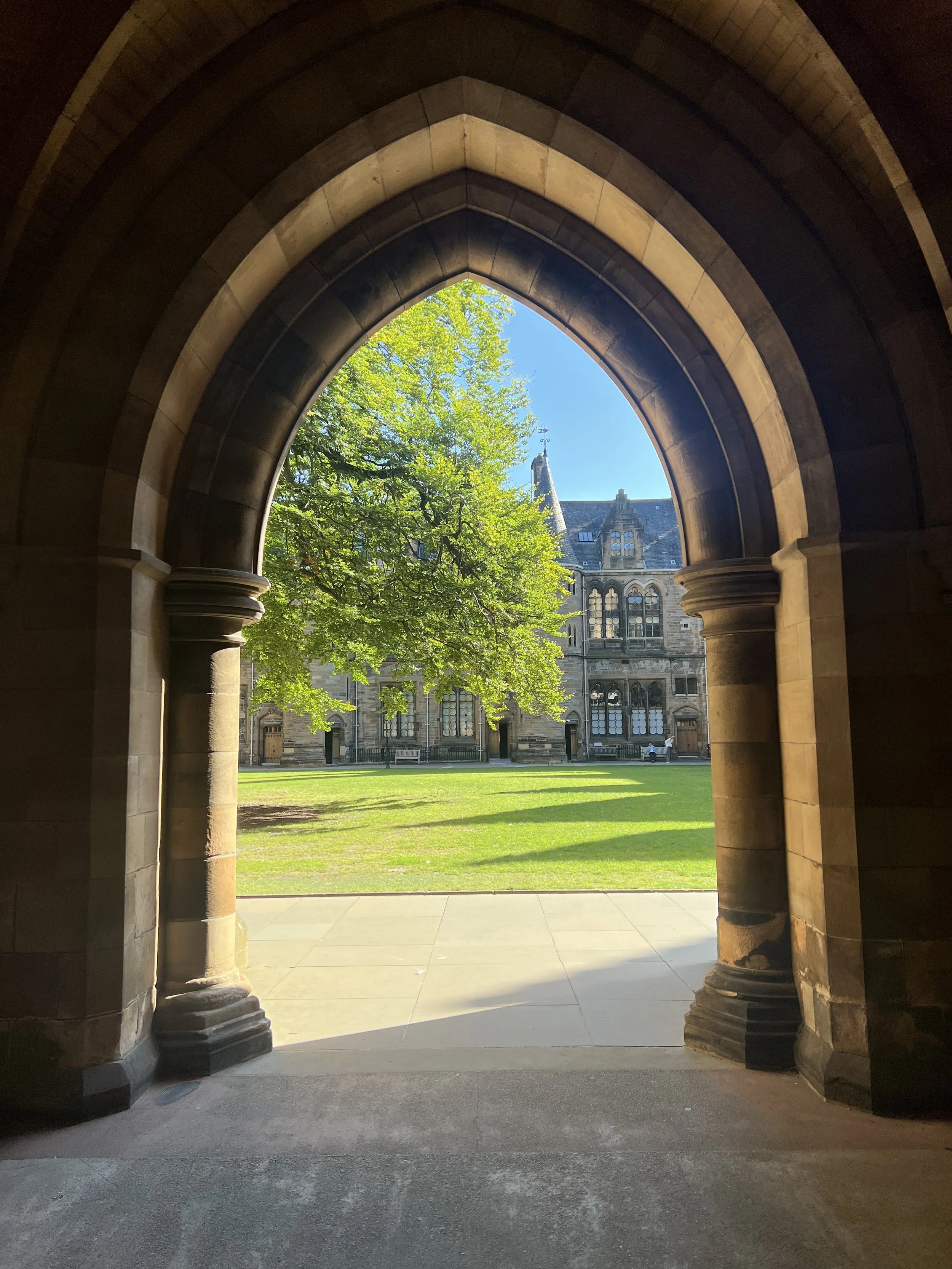
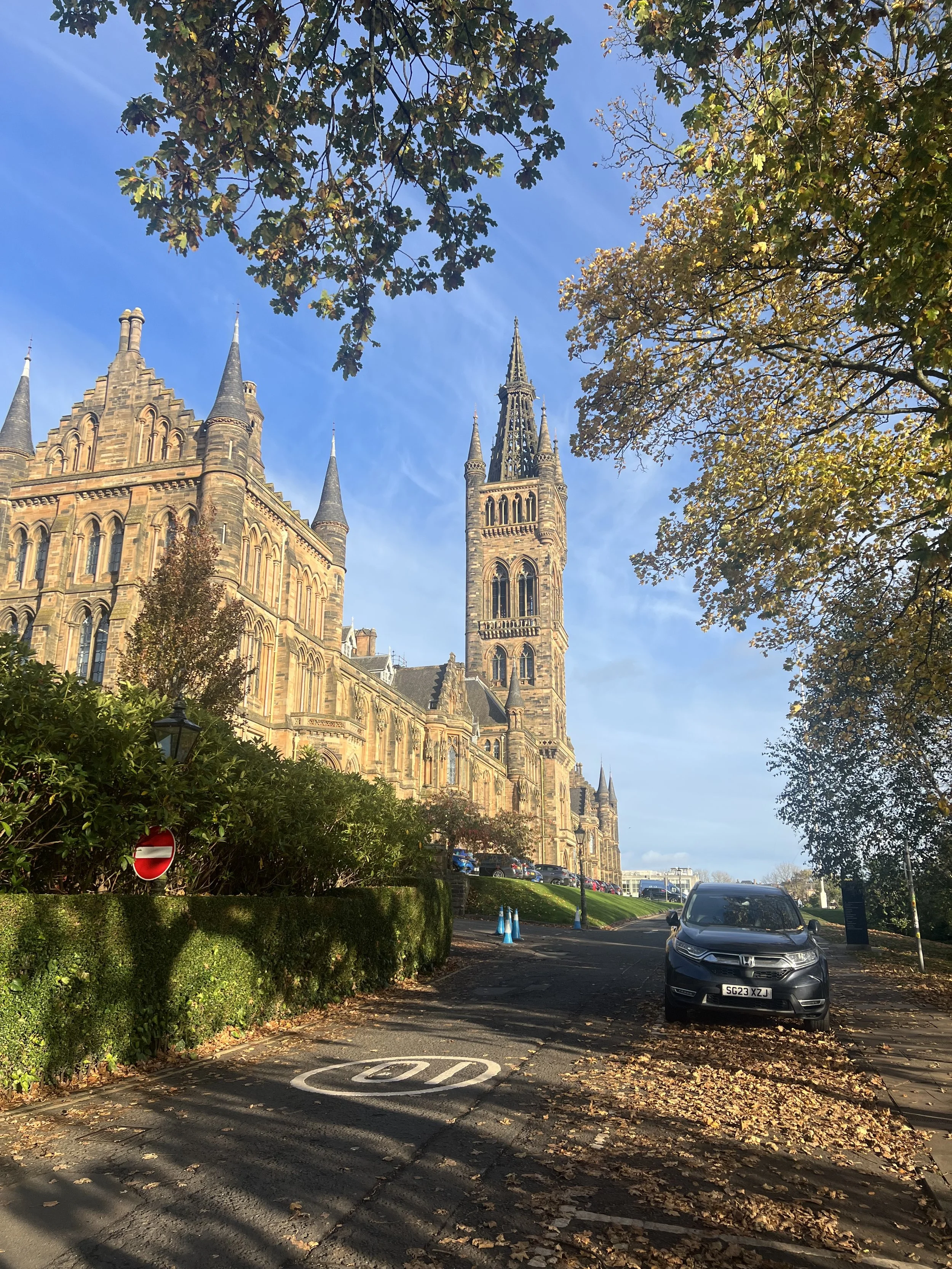
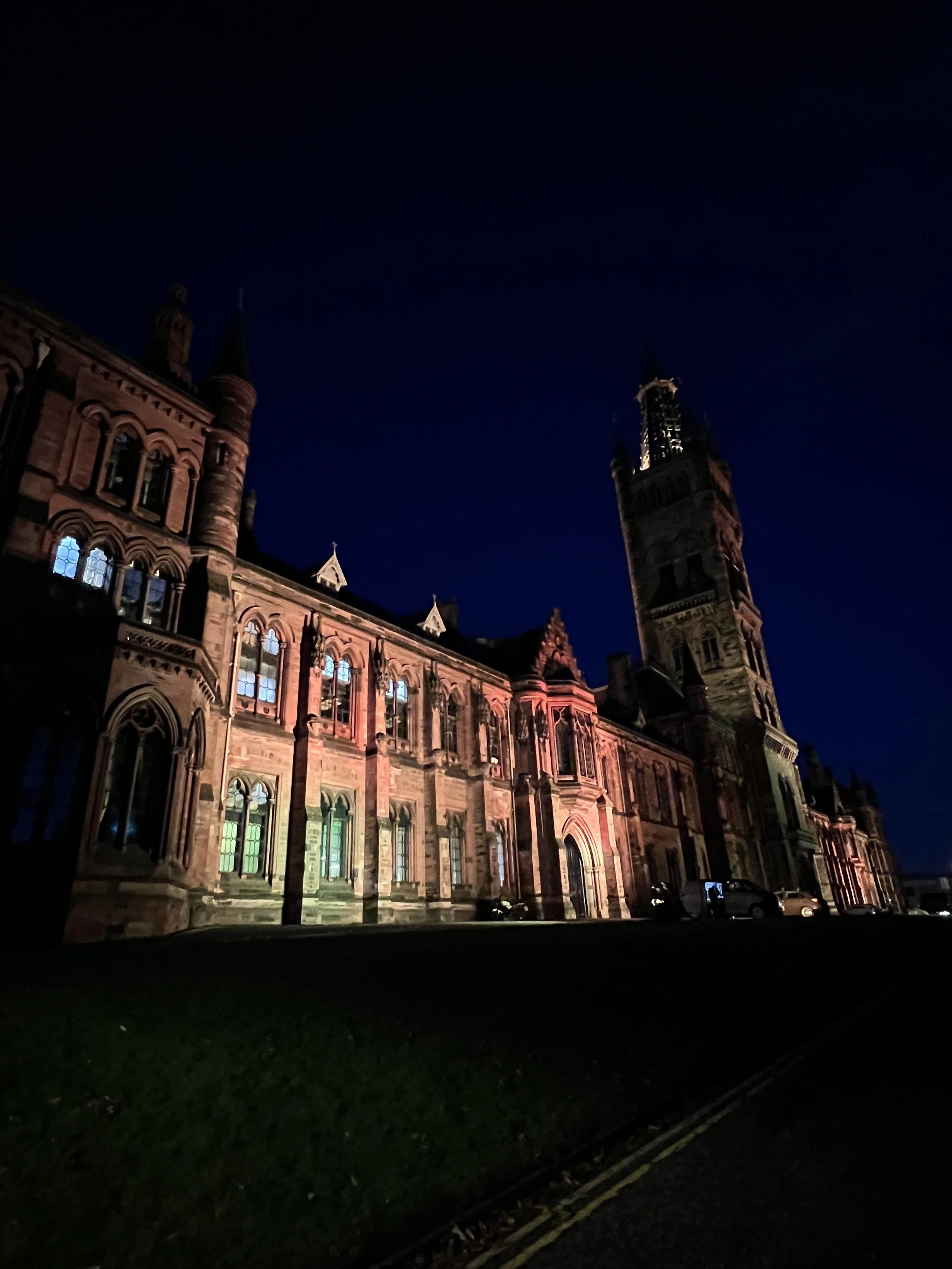
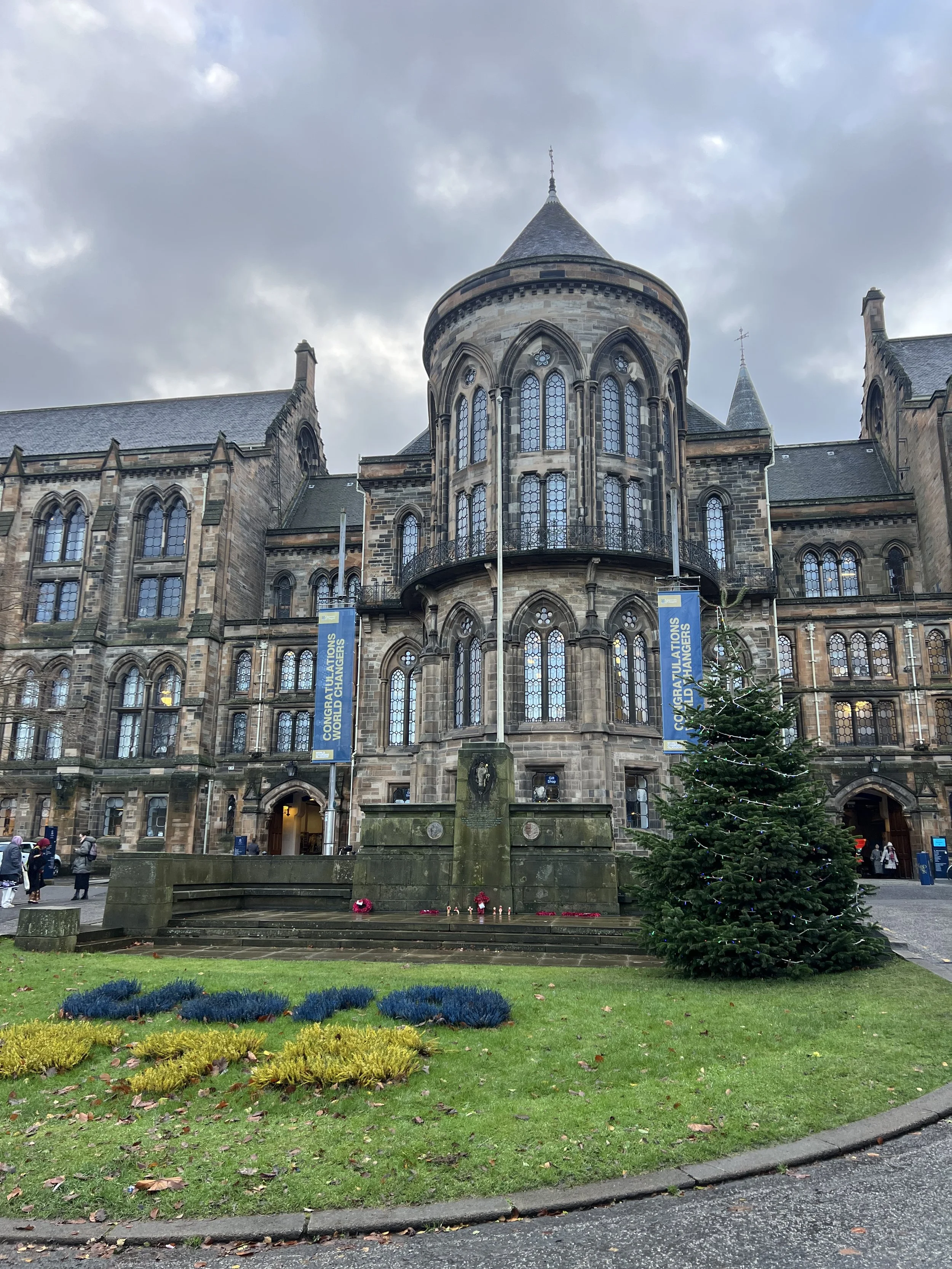
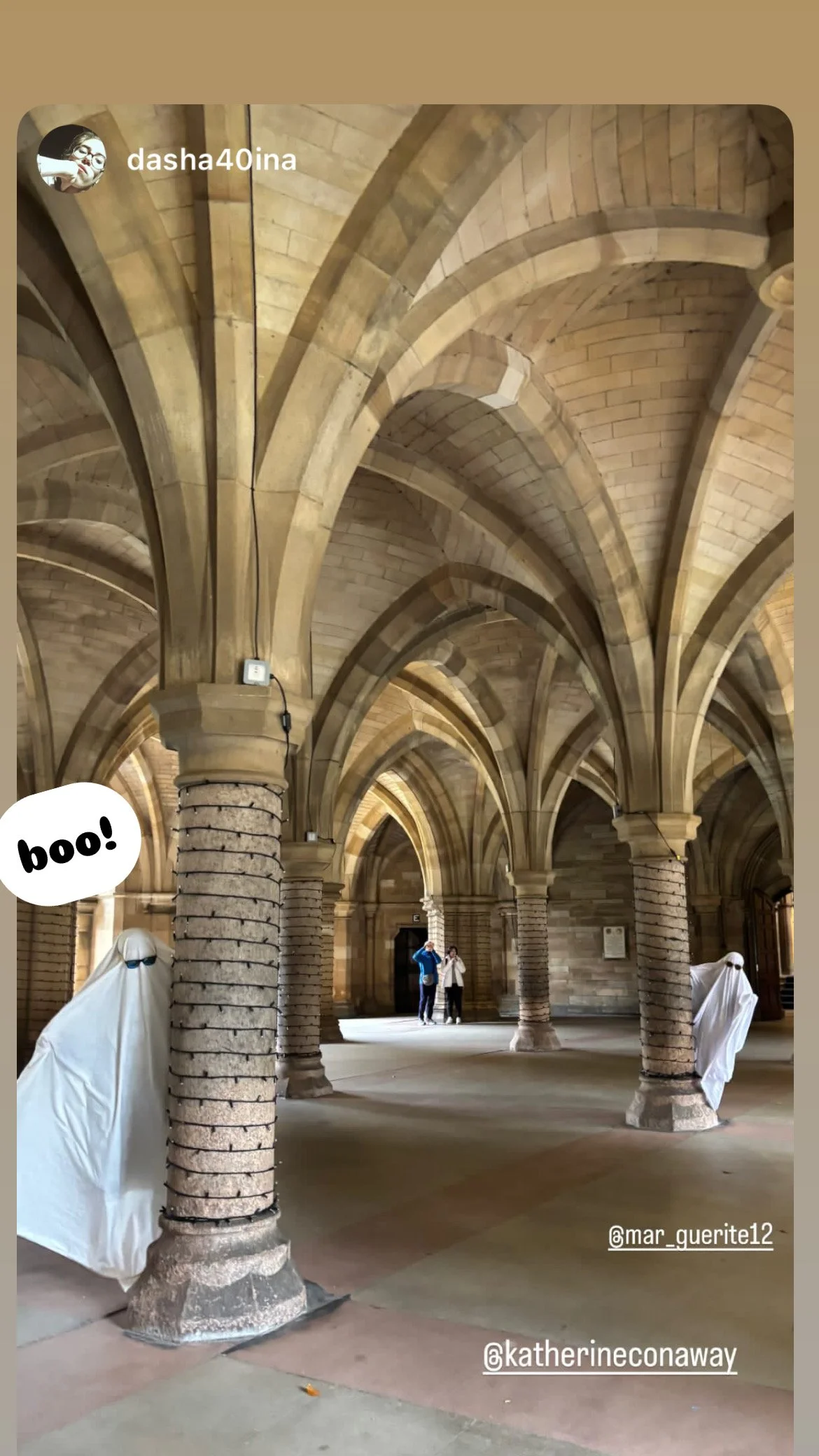
I already knew I liked Glasgow, and I enjoyed spending more time there — the university campus is beautiful and it’s a great place to be a student.
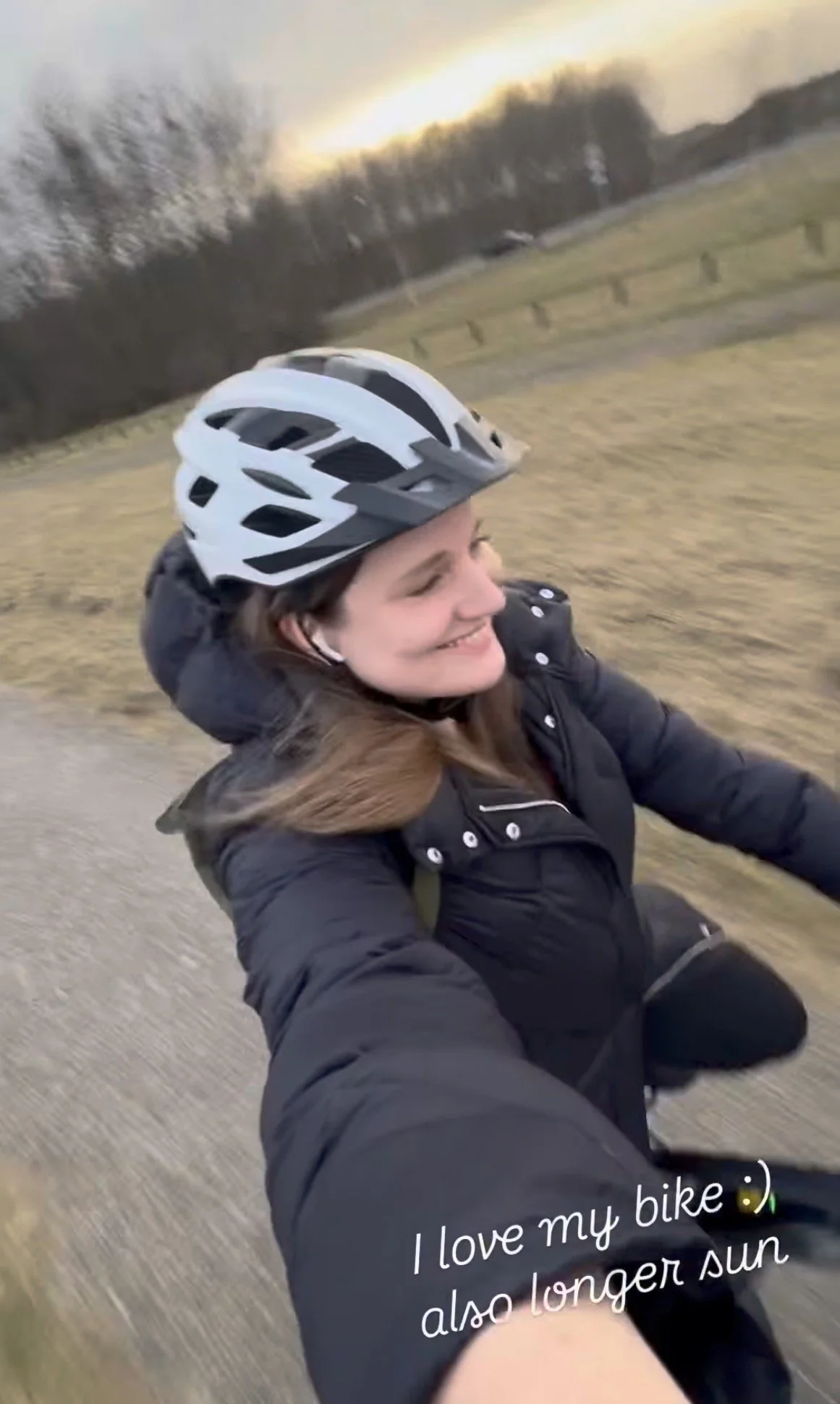
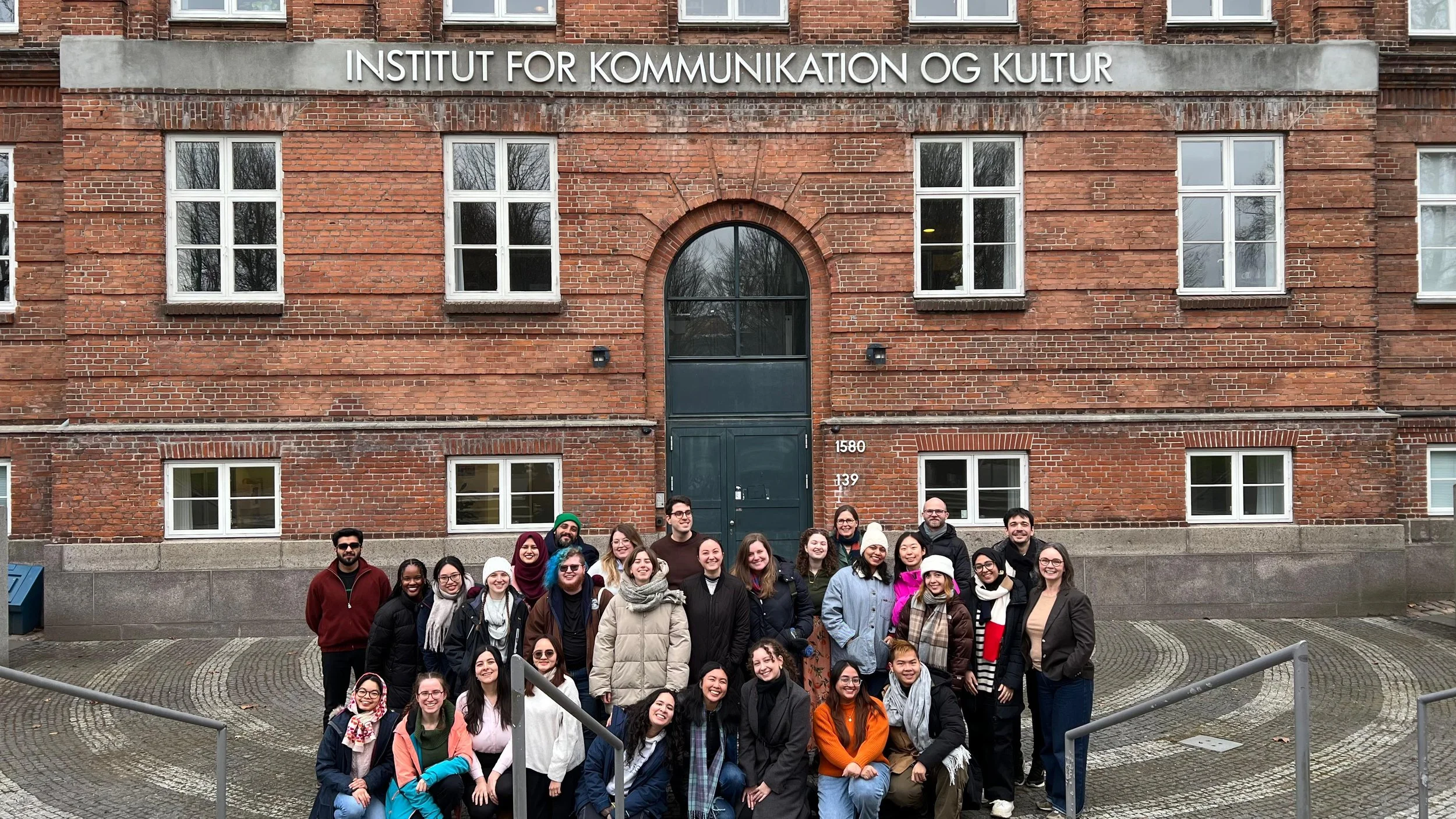
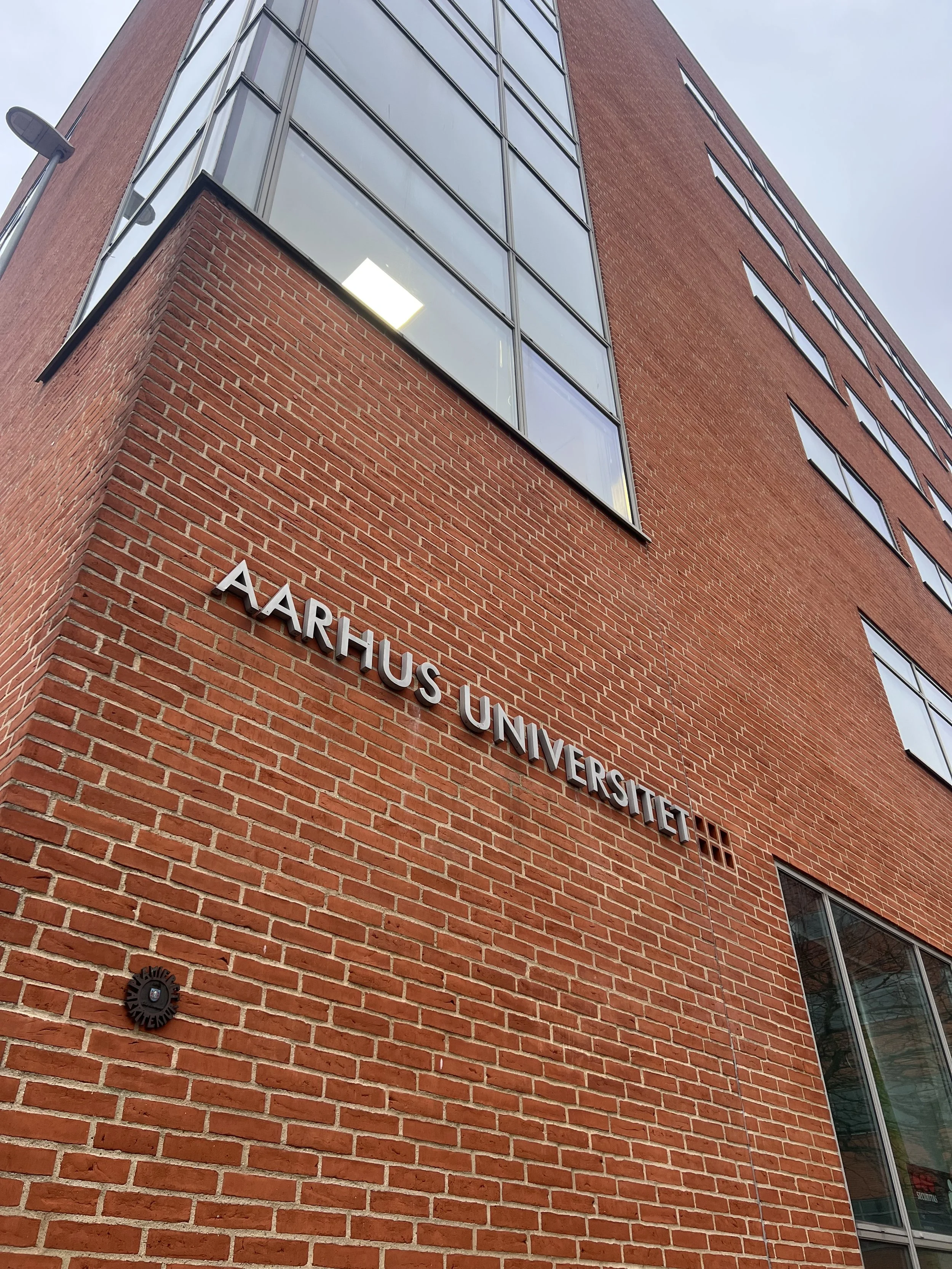
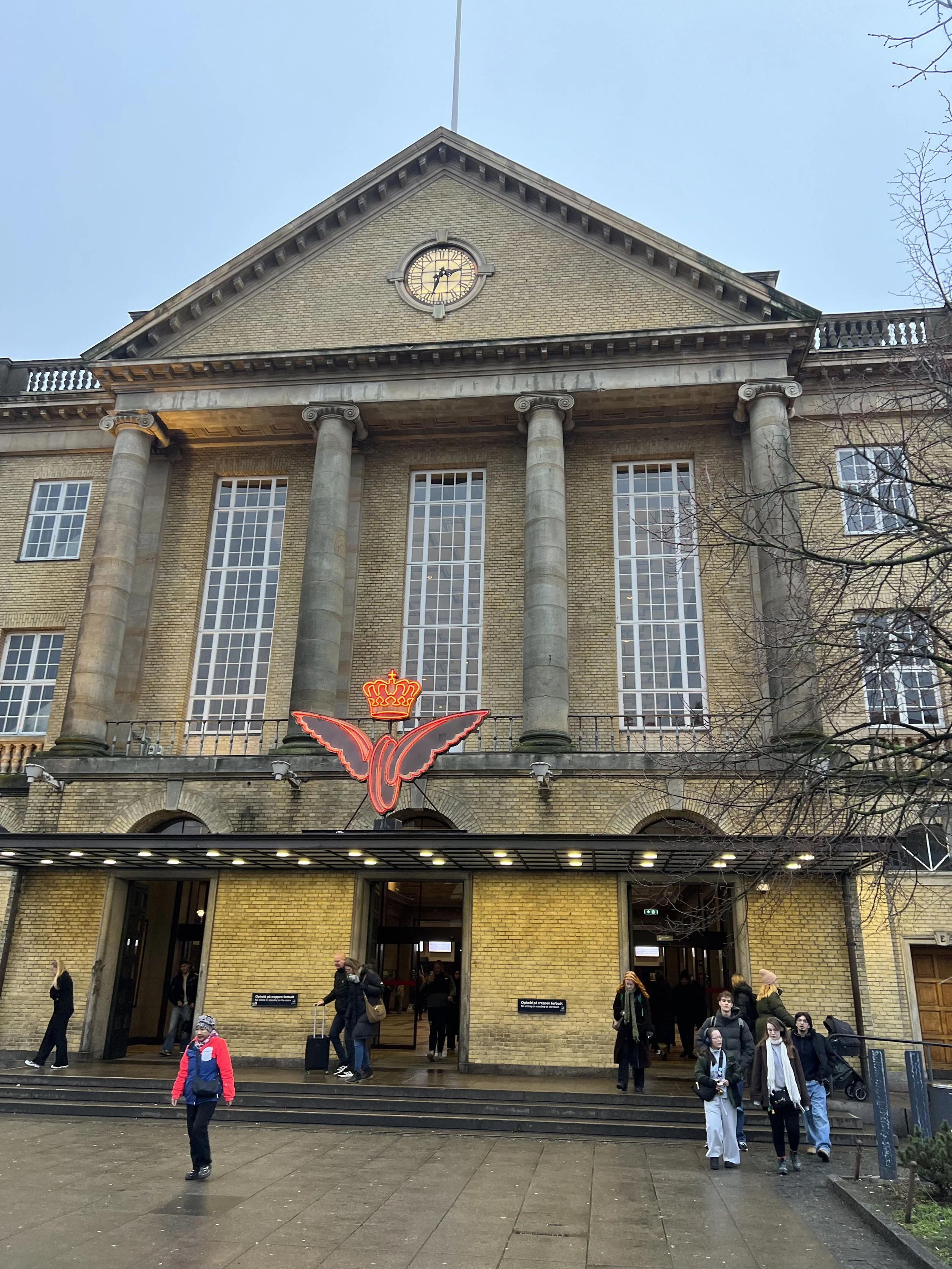
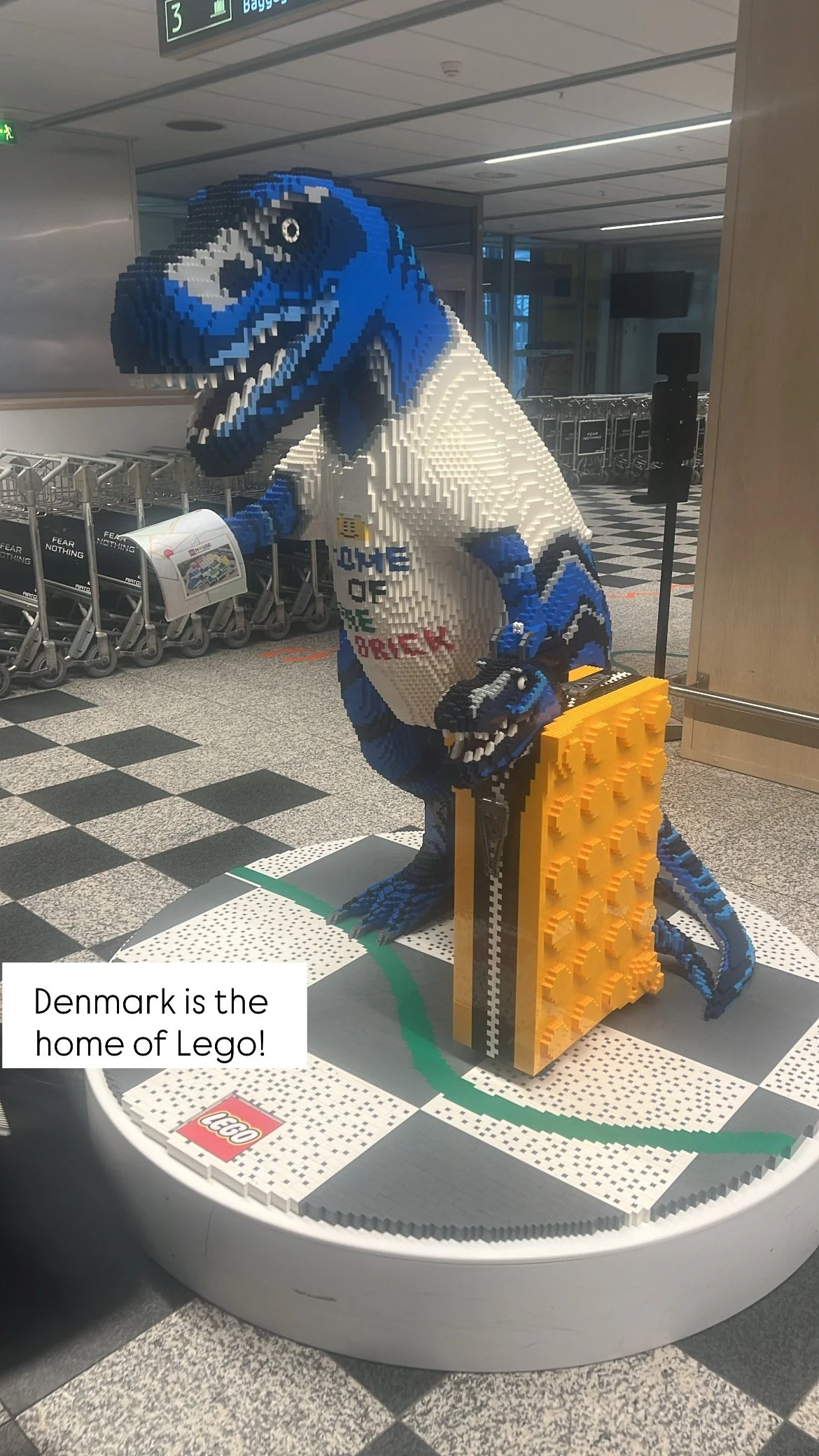
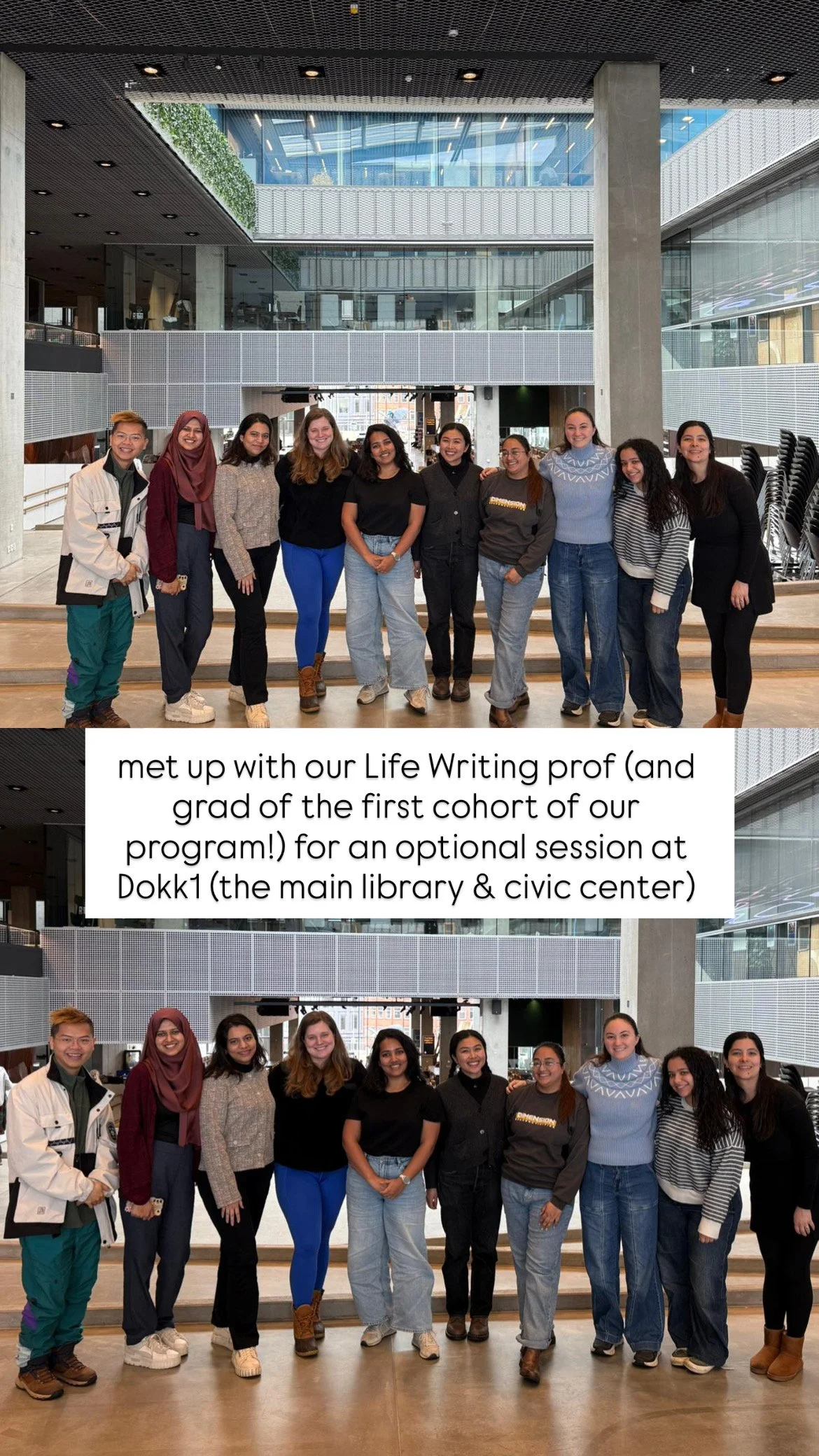
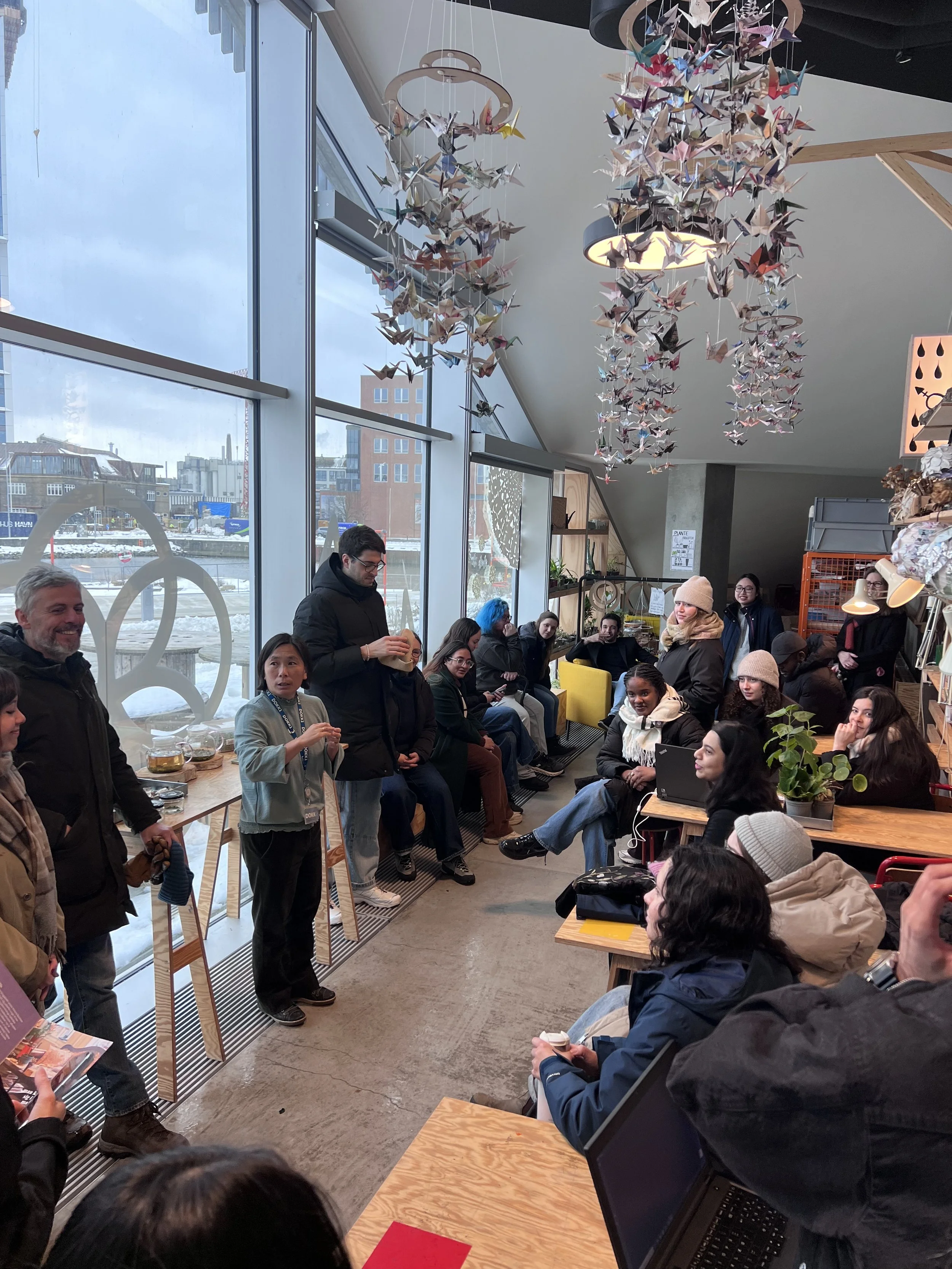
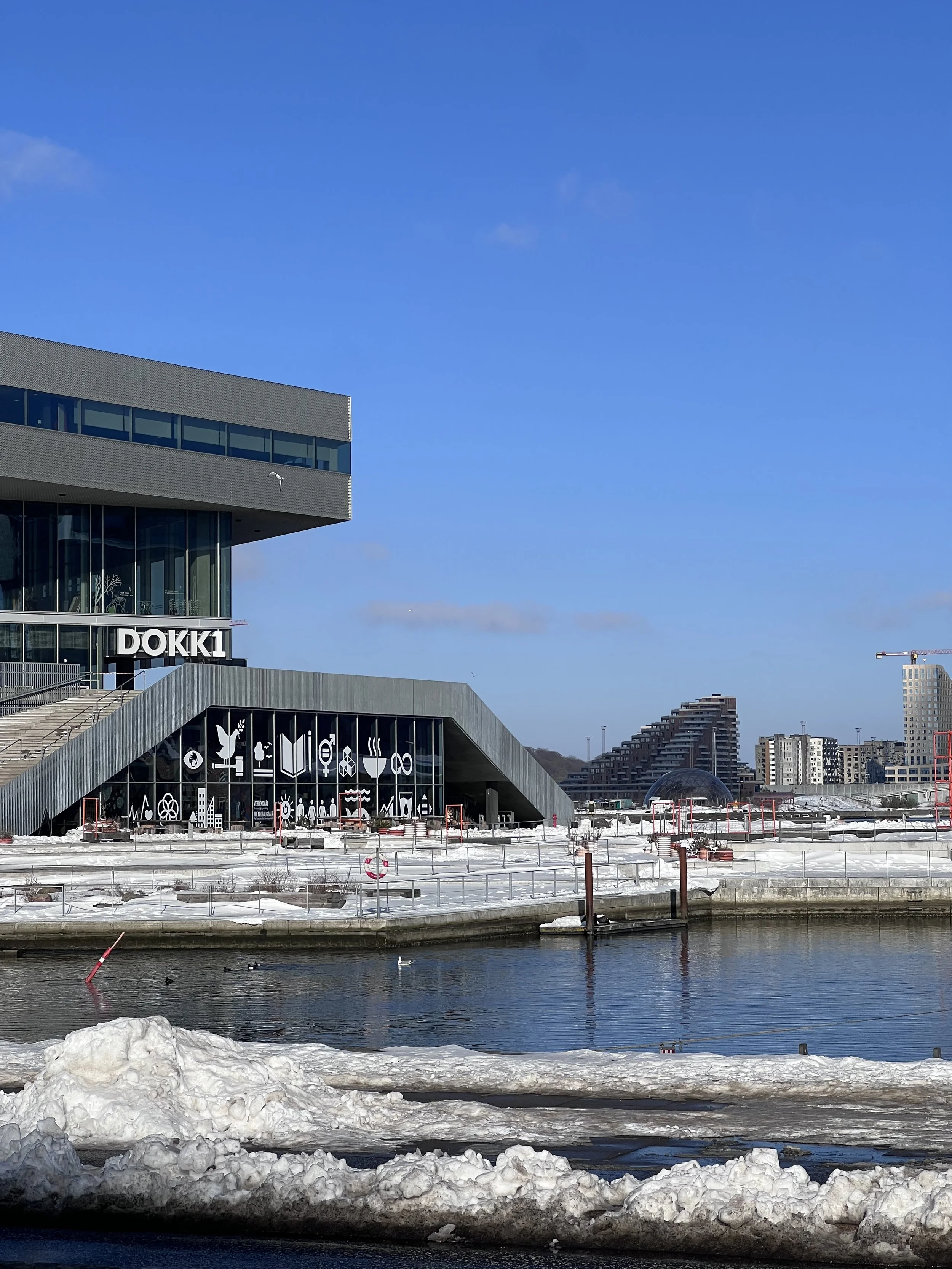
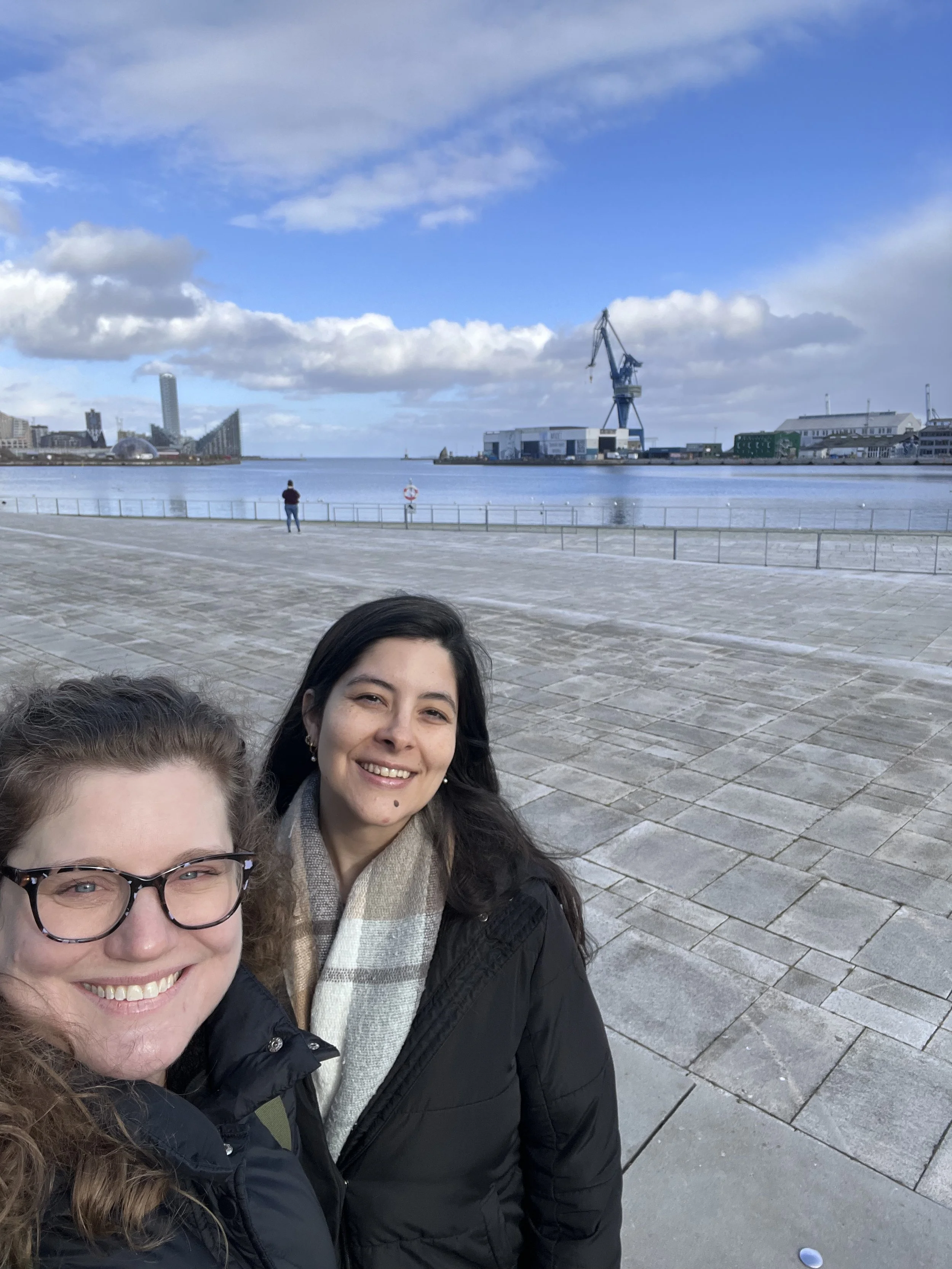
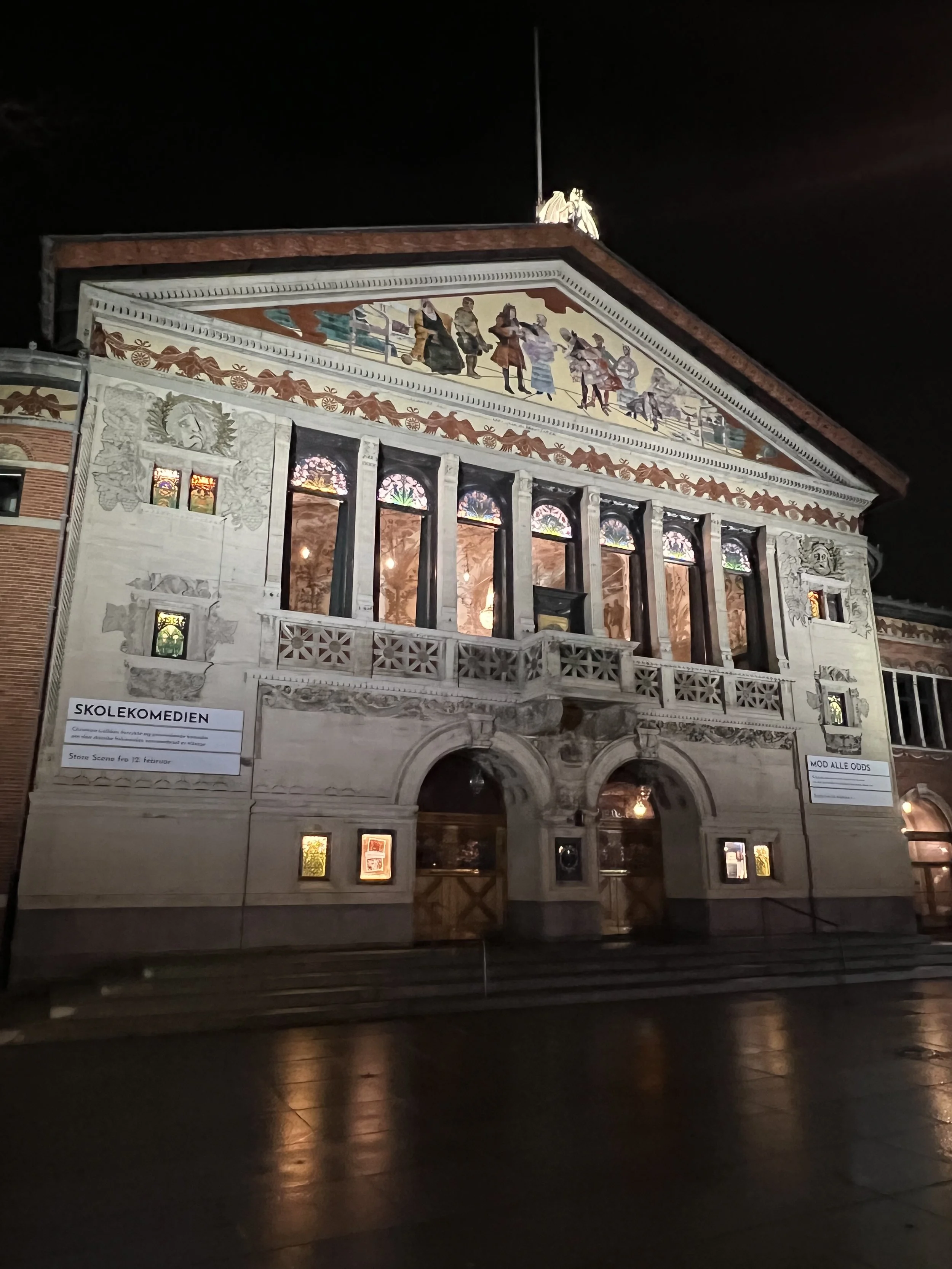
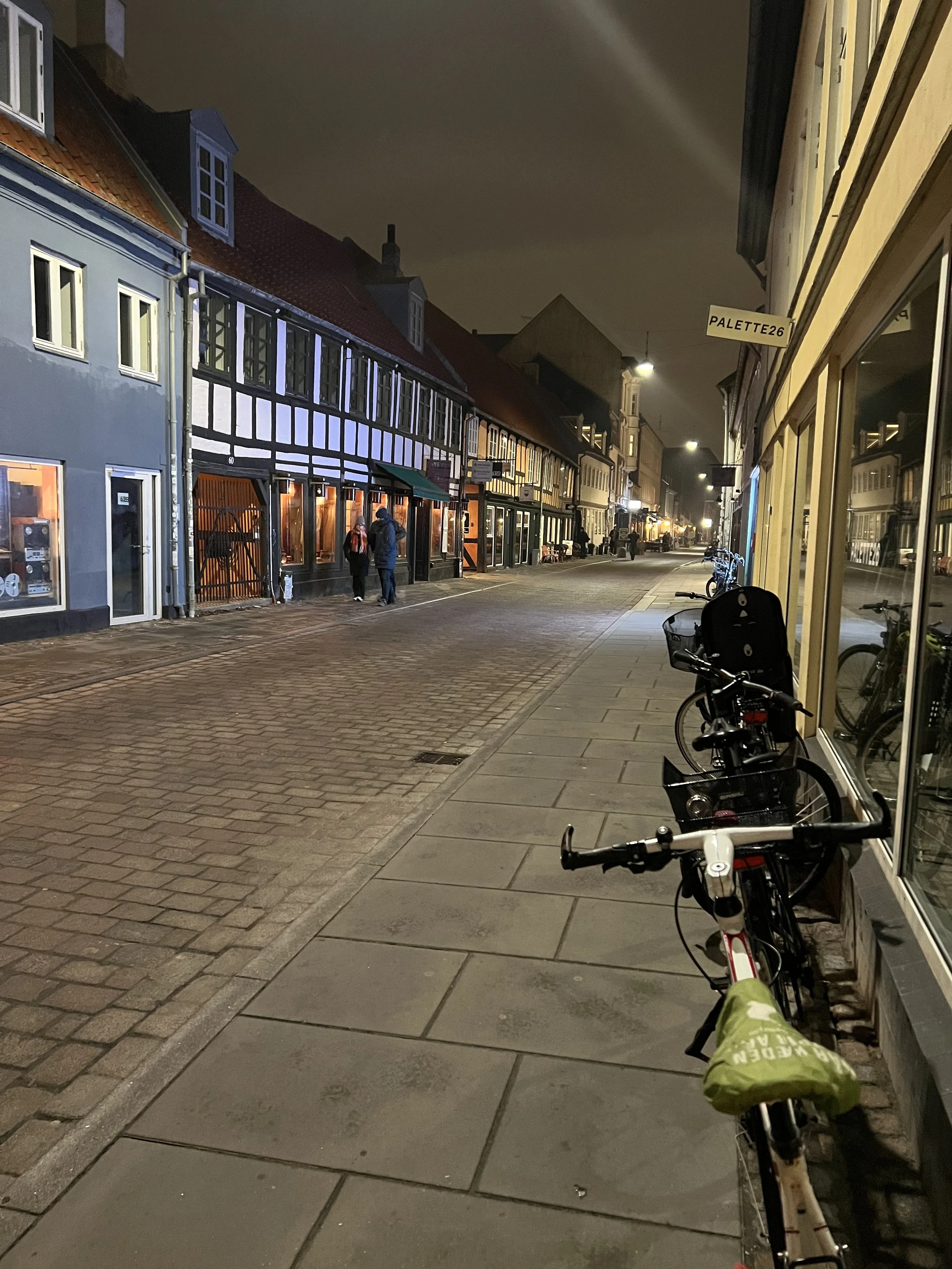
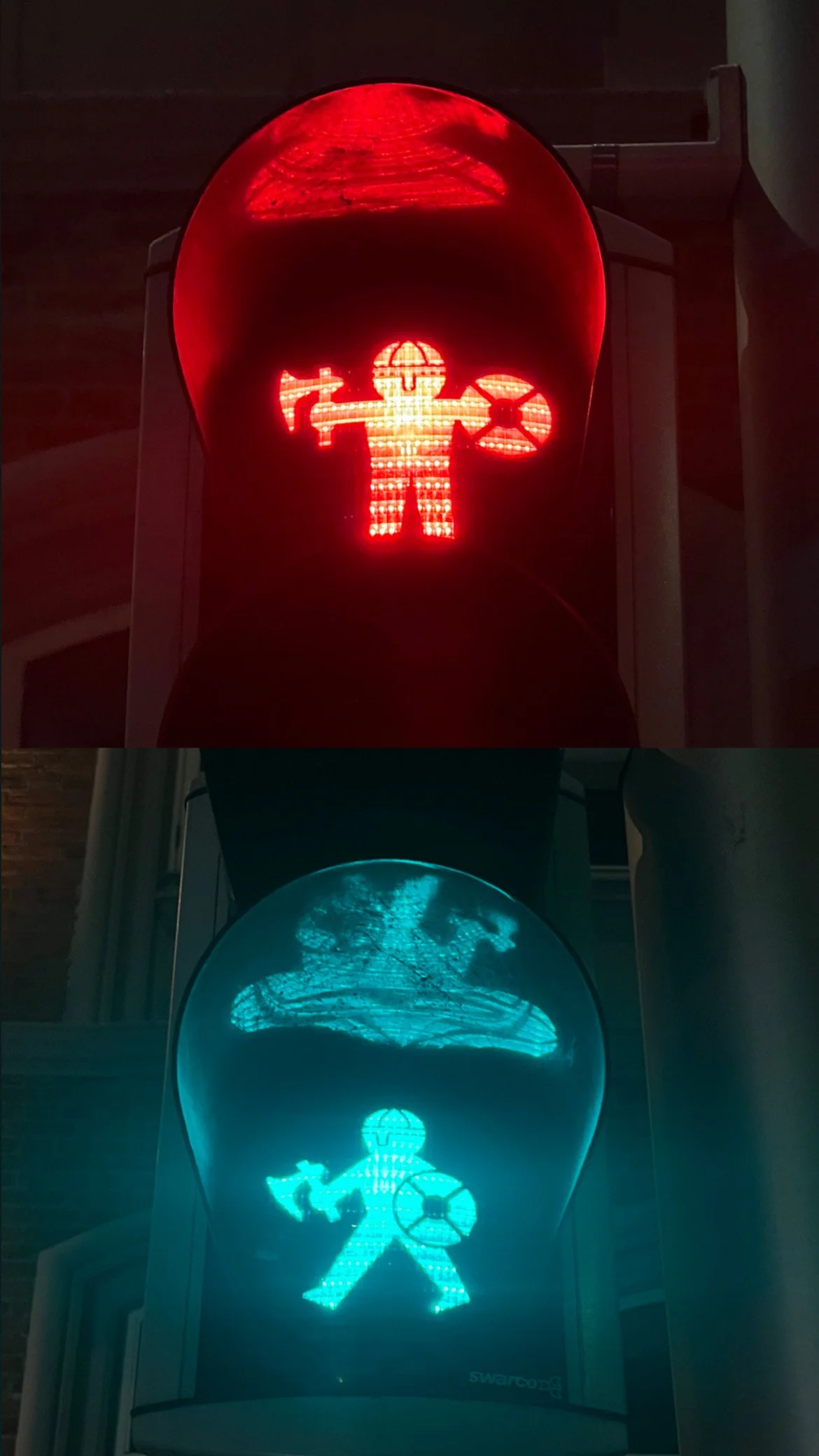
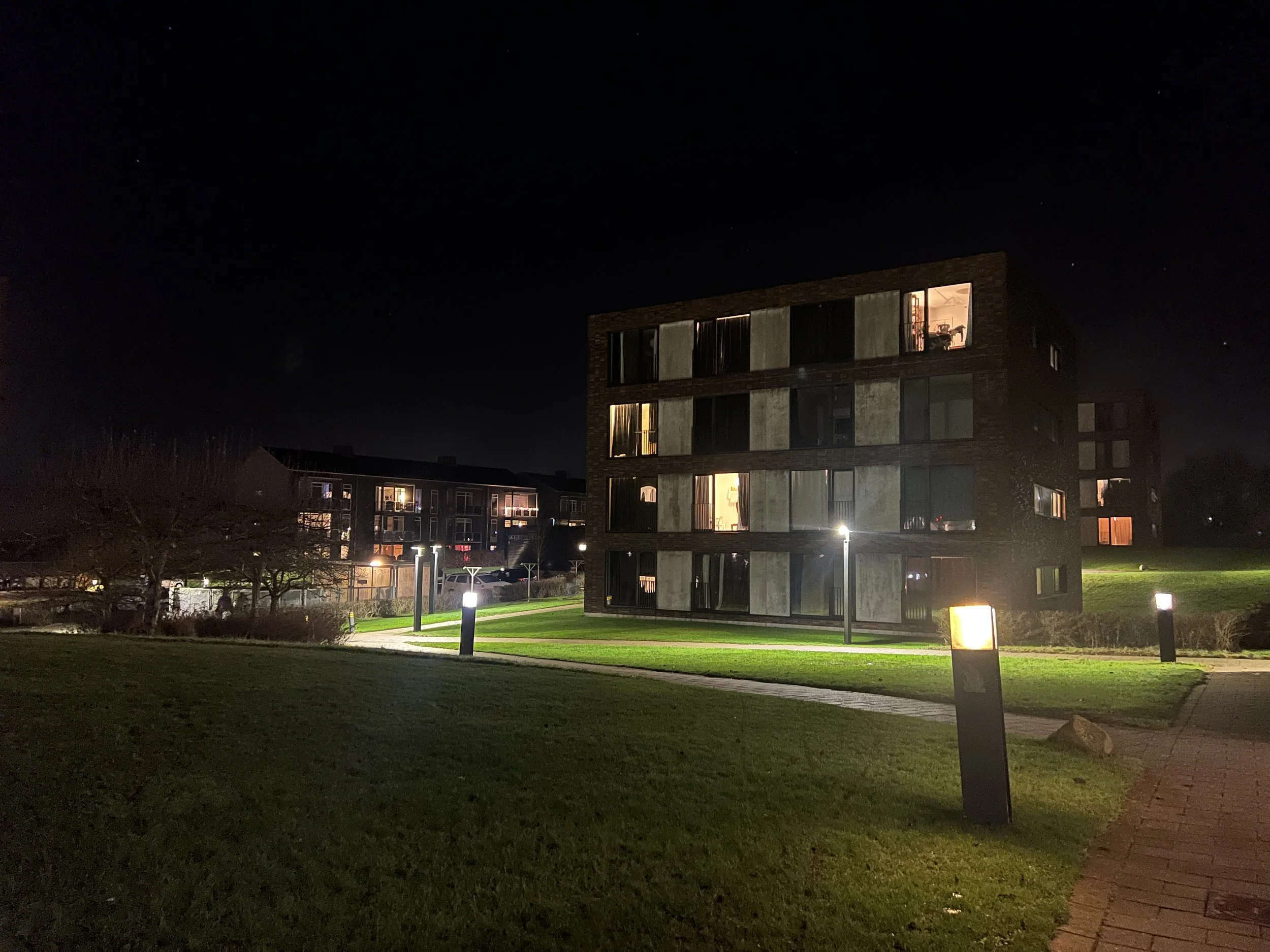
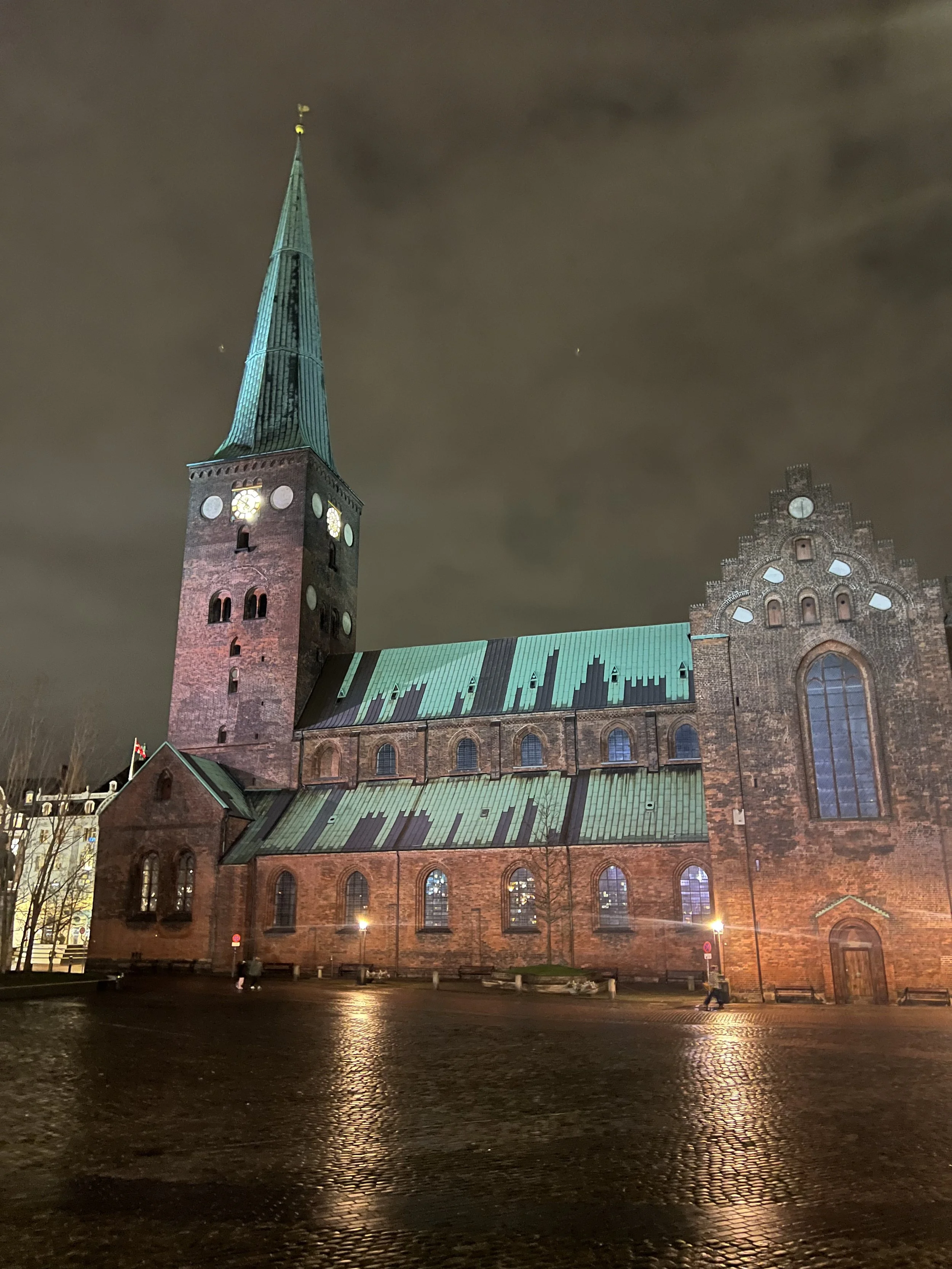
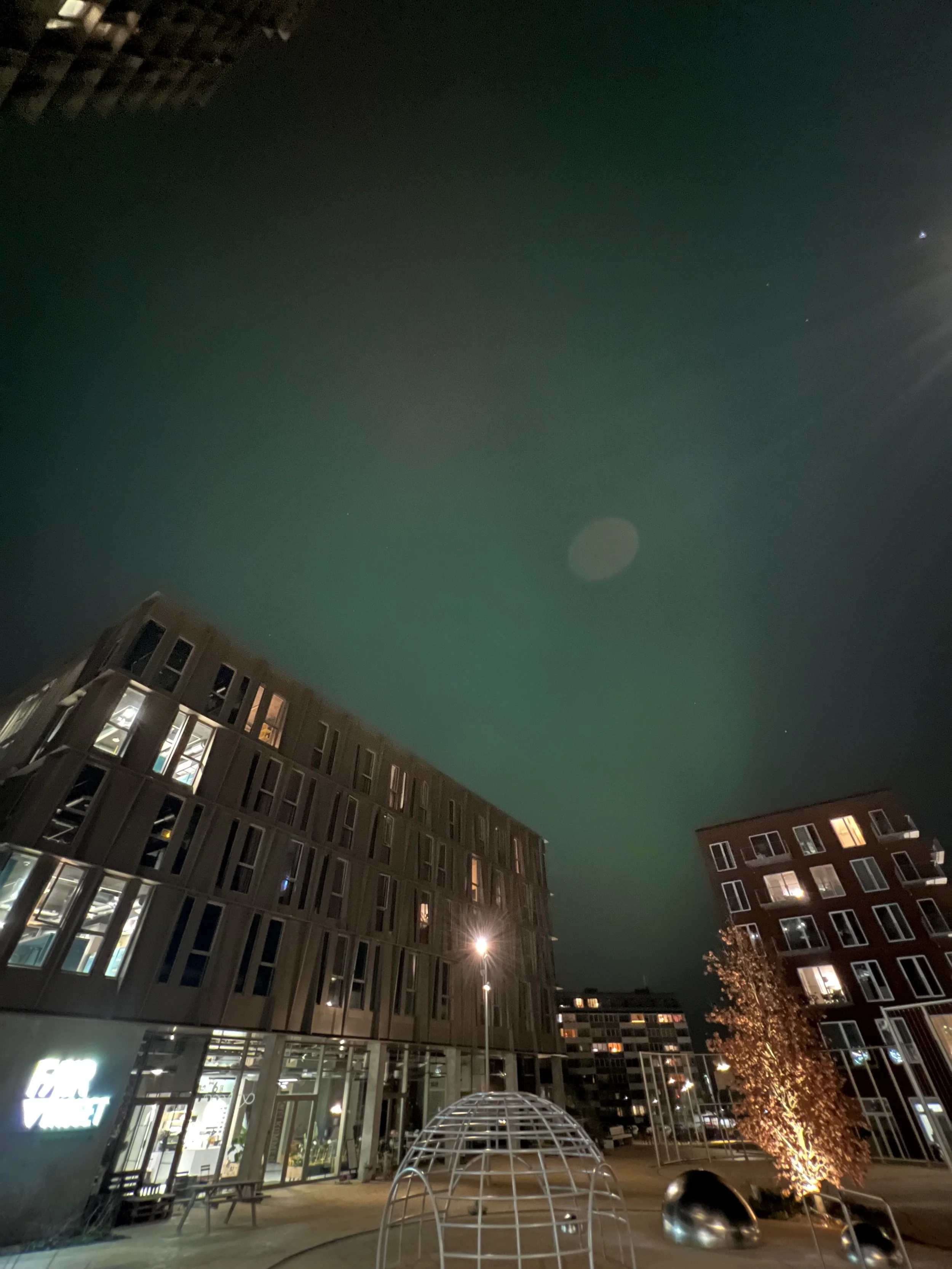
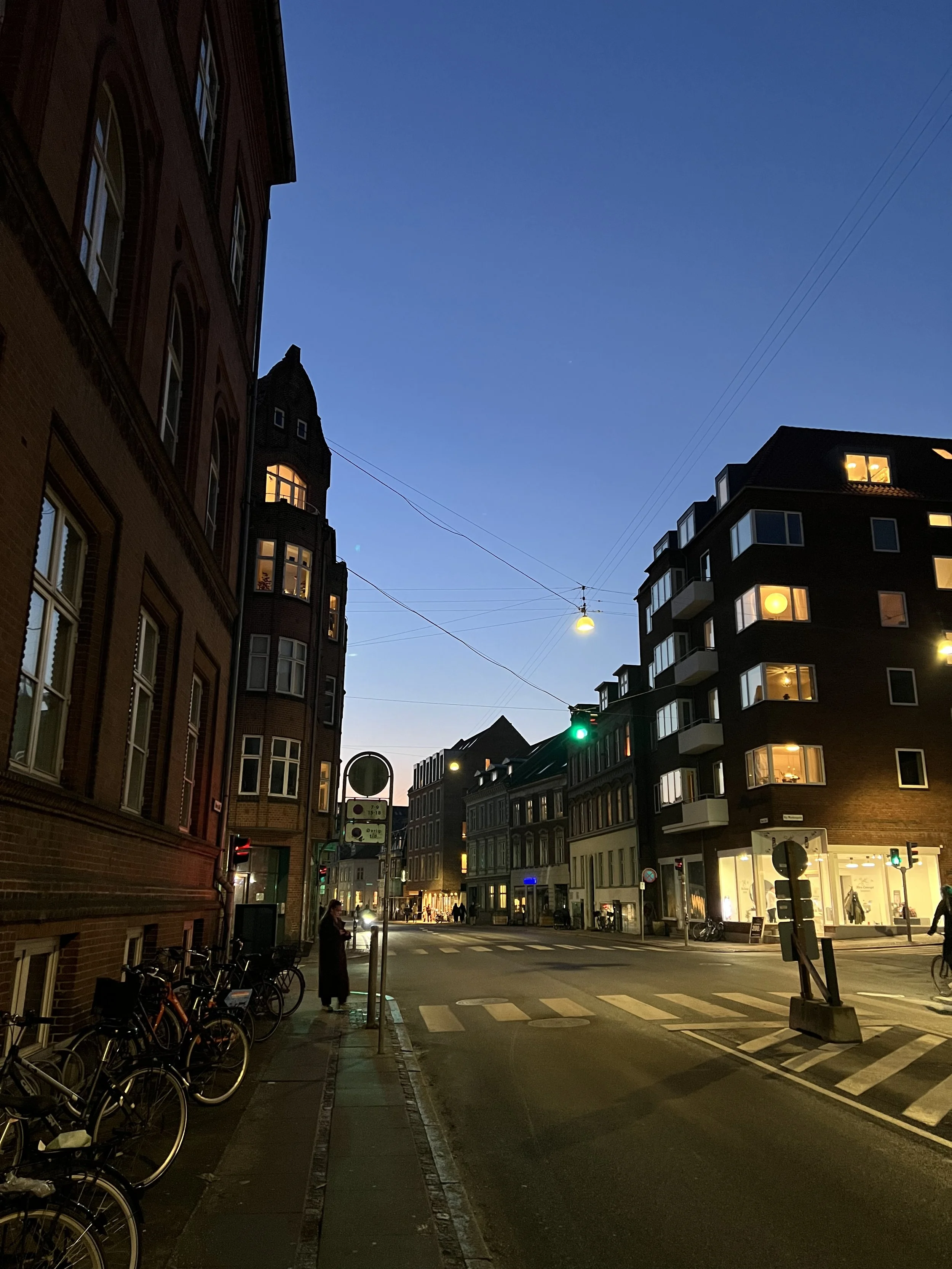
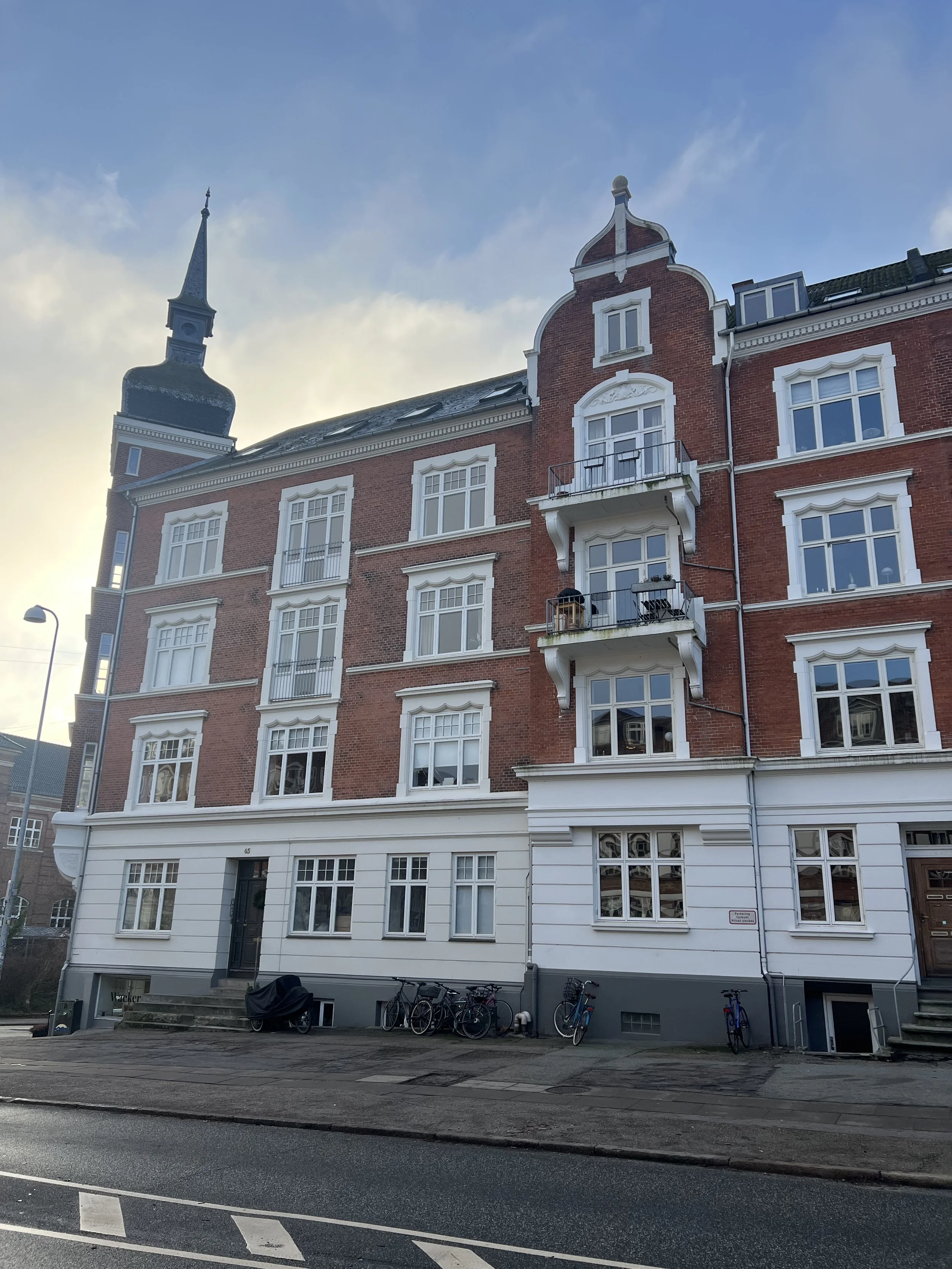
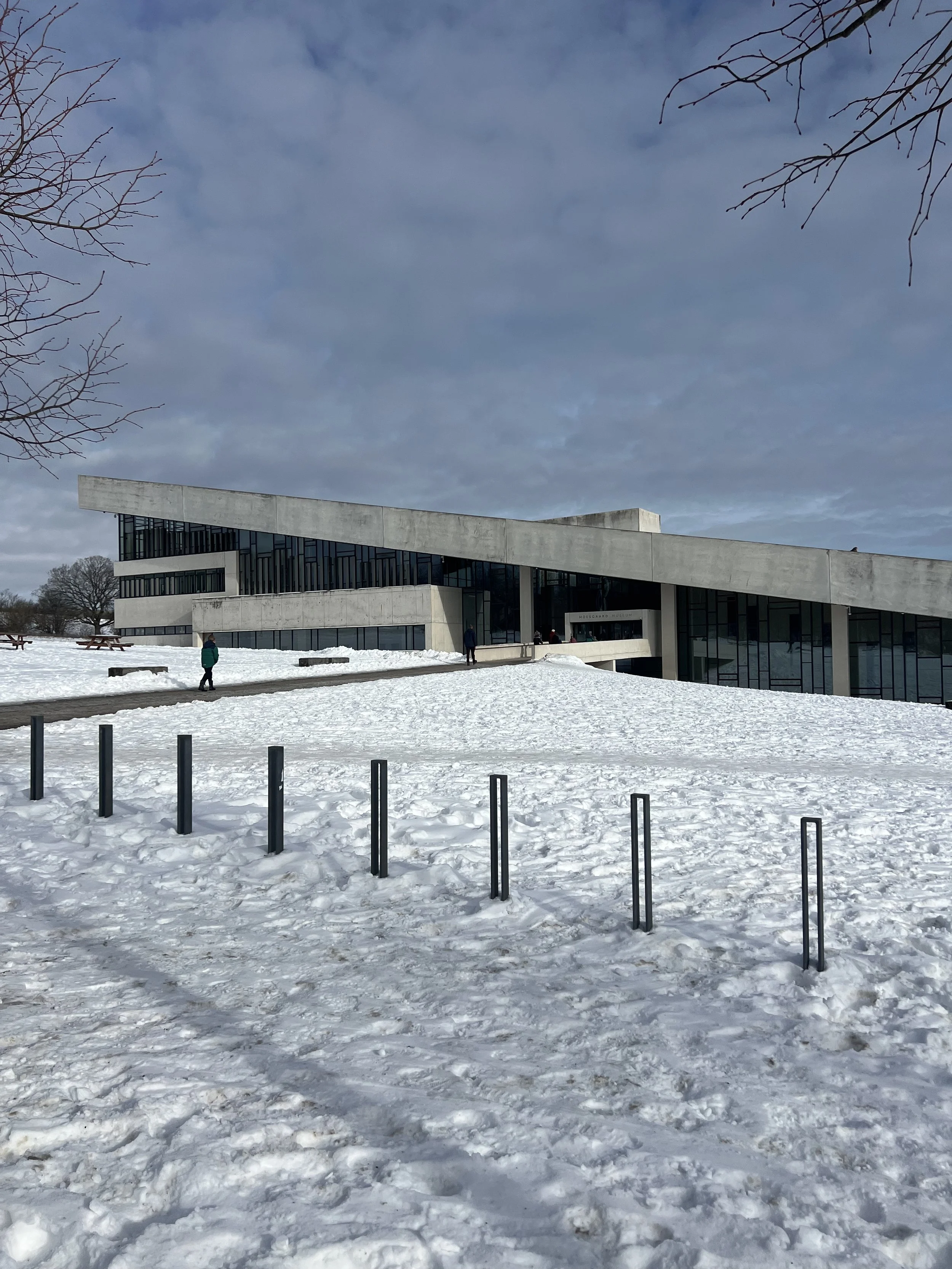
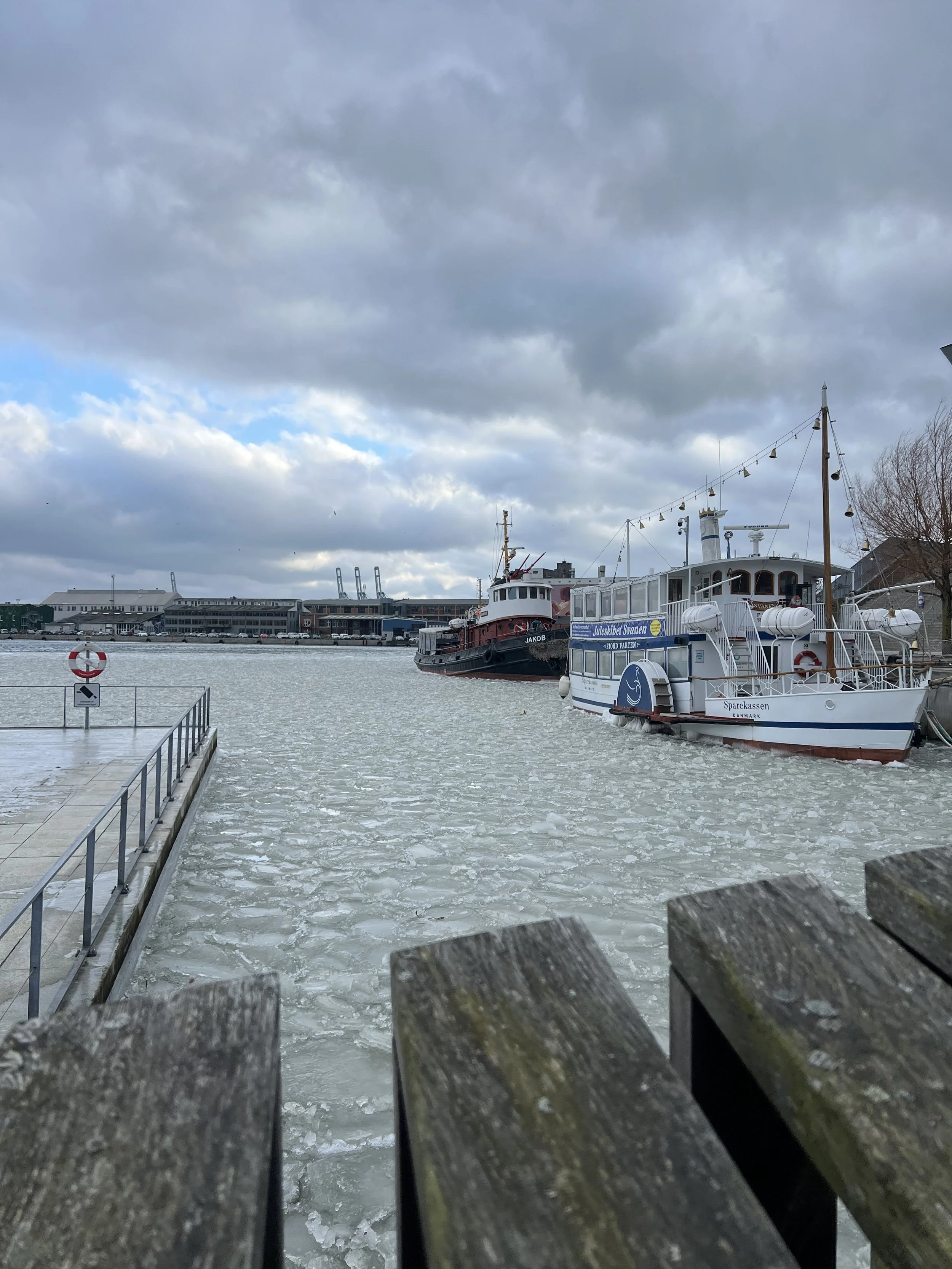
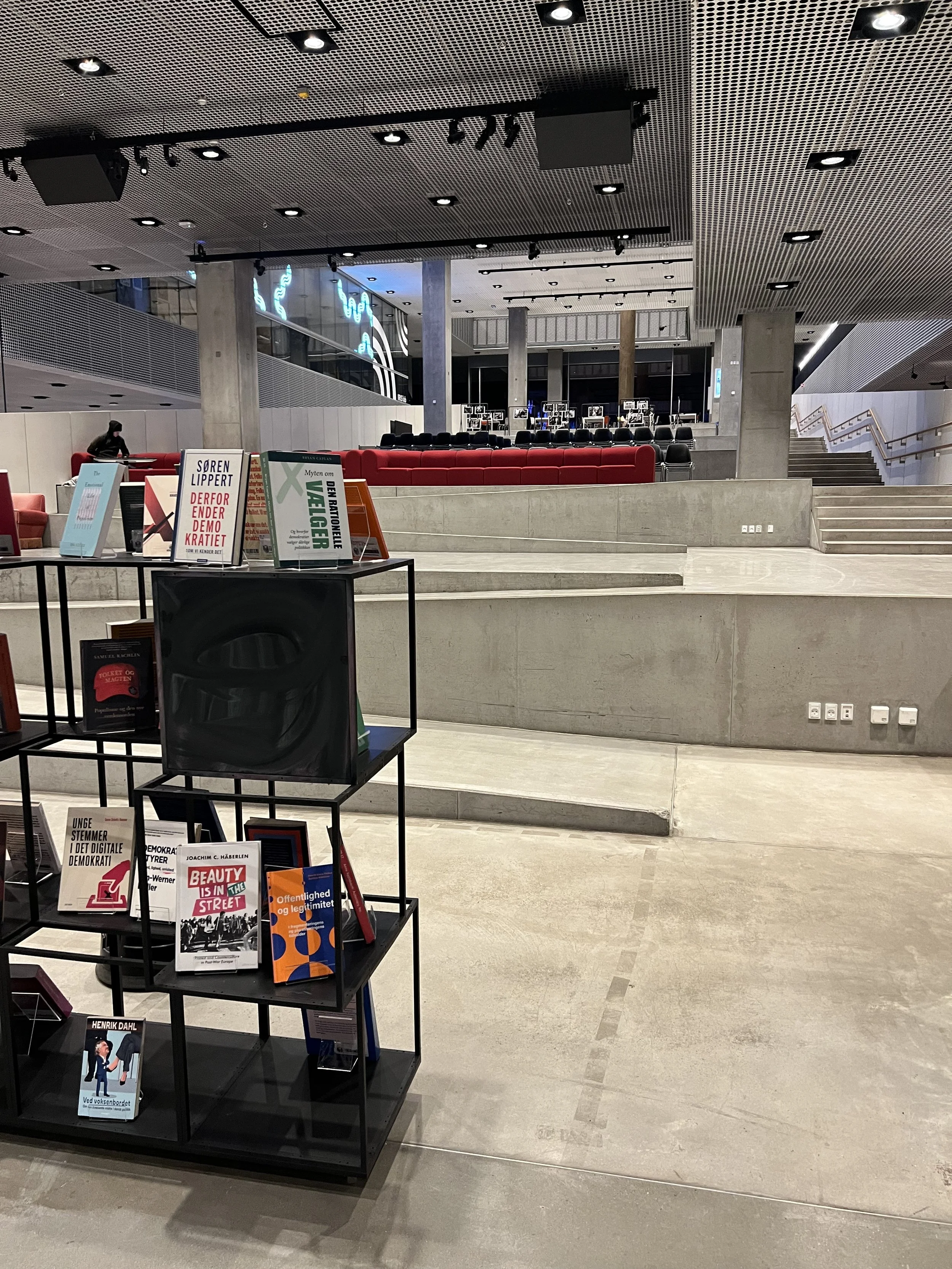
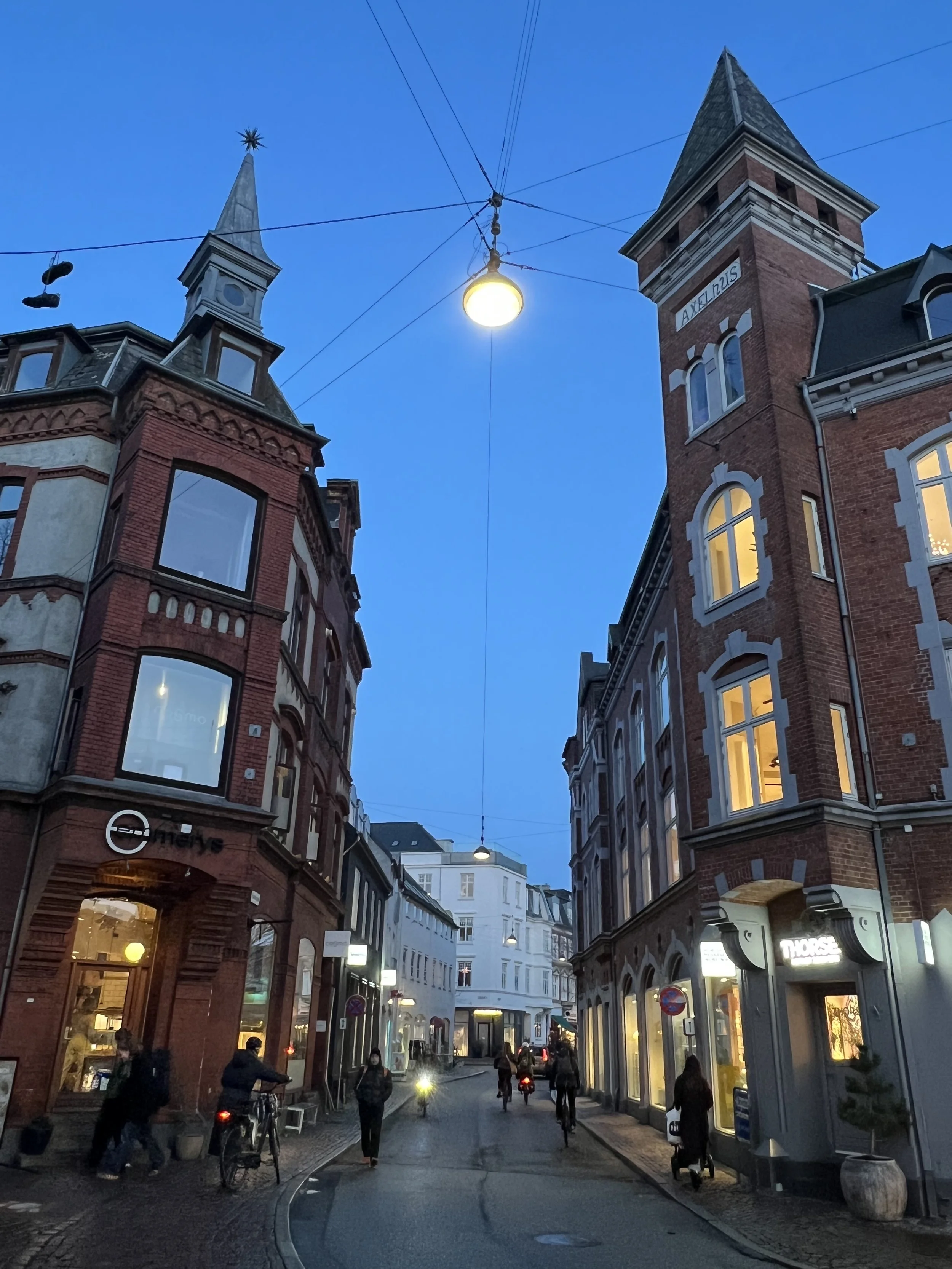
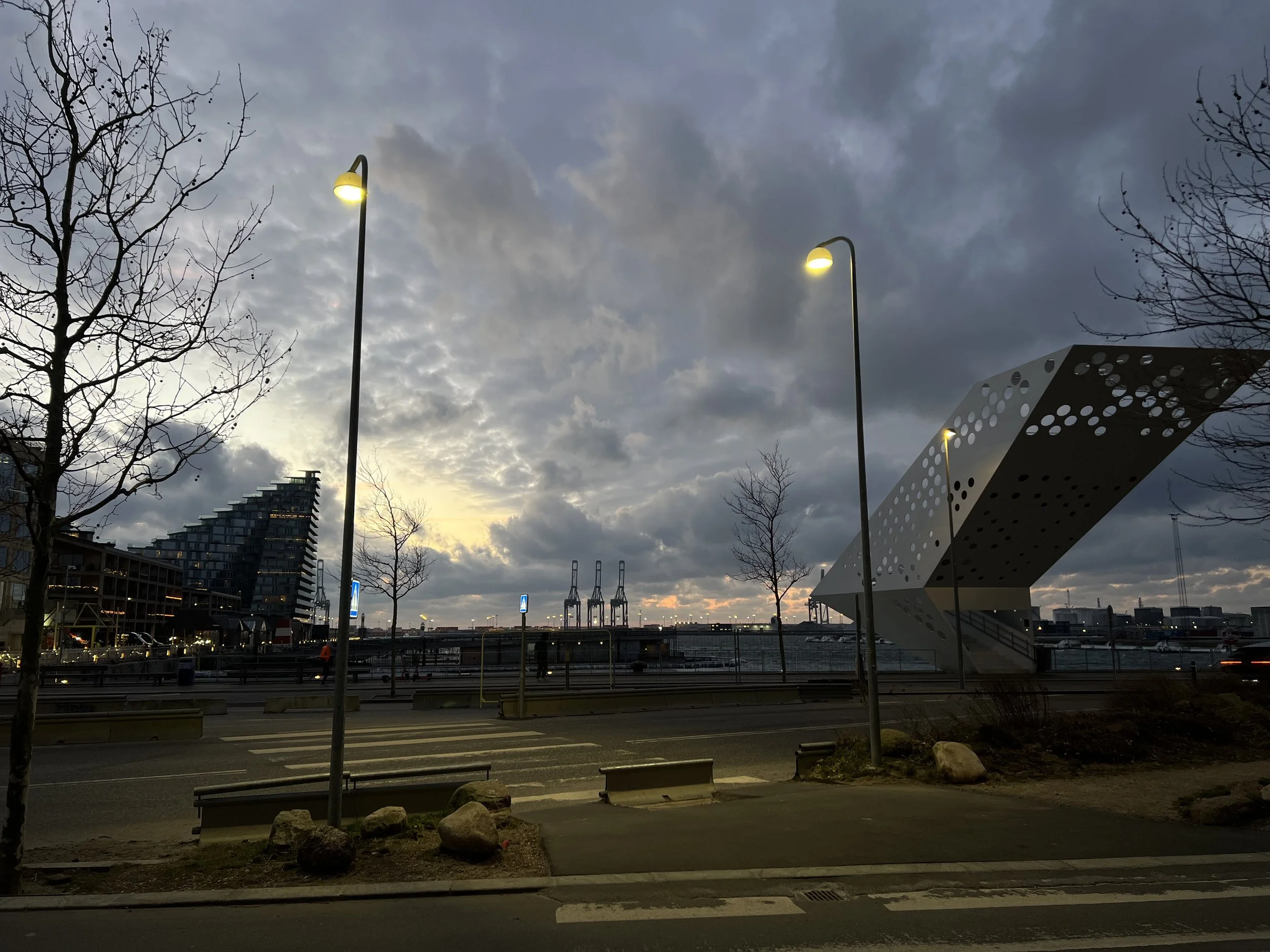
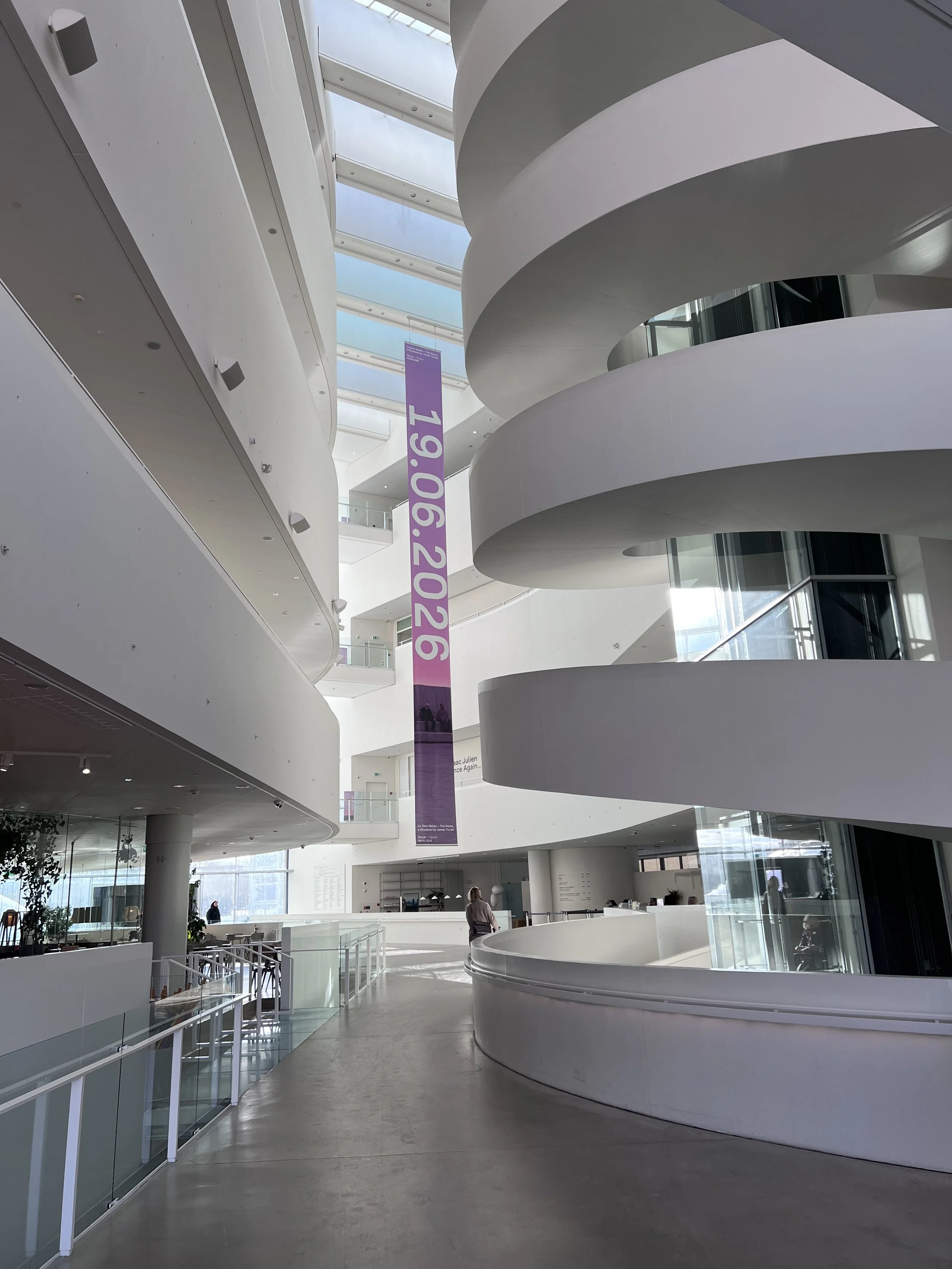
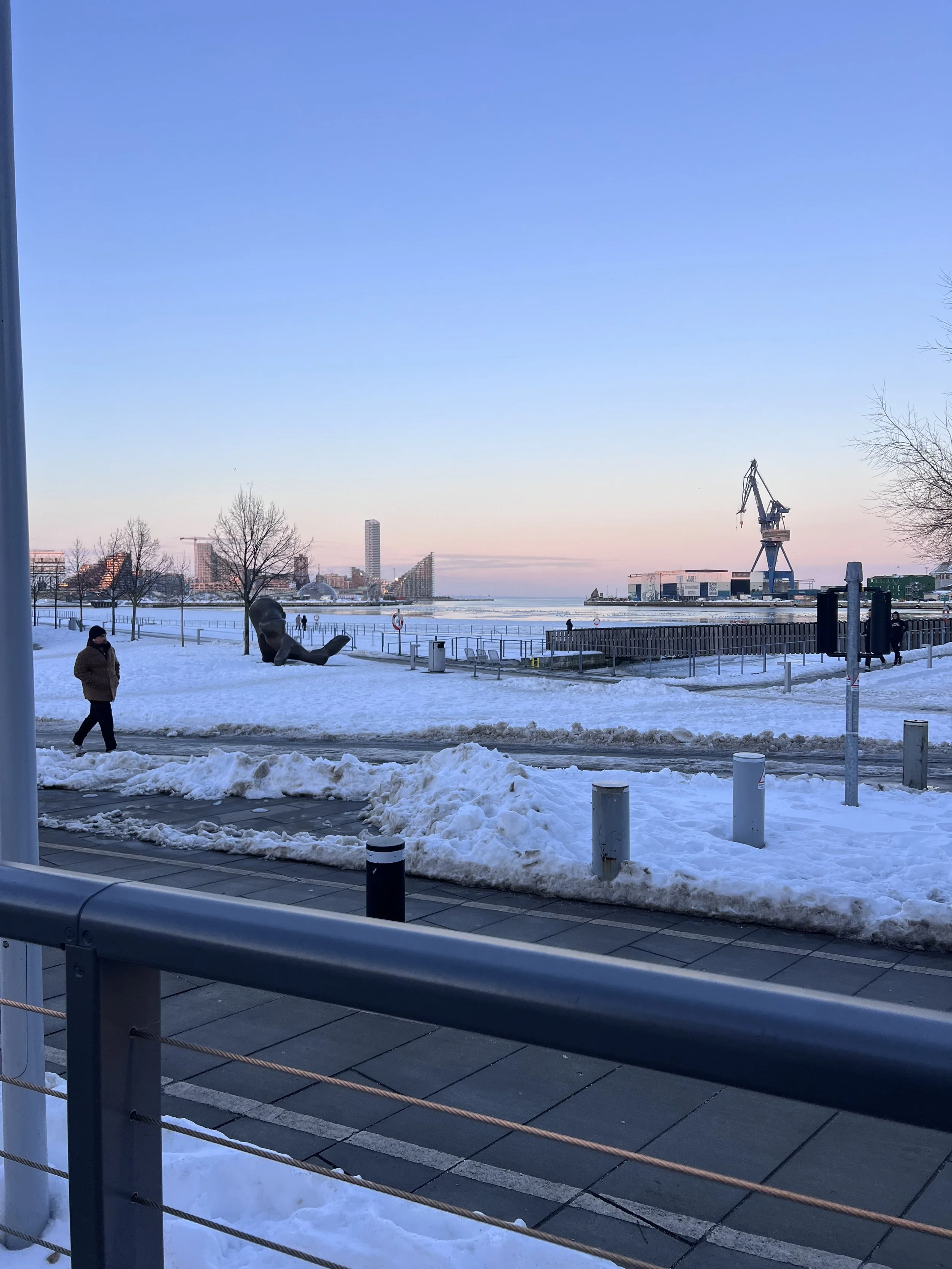
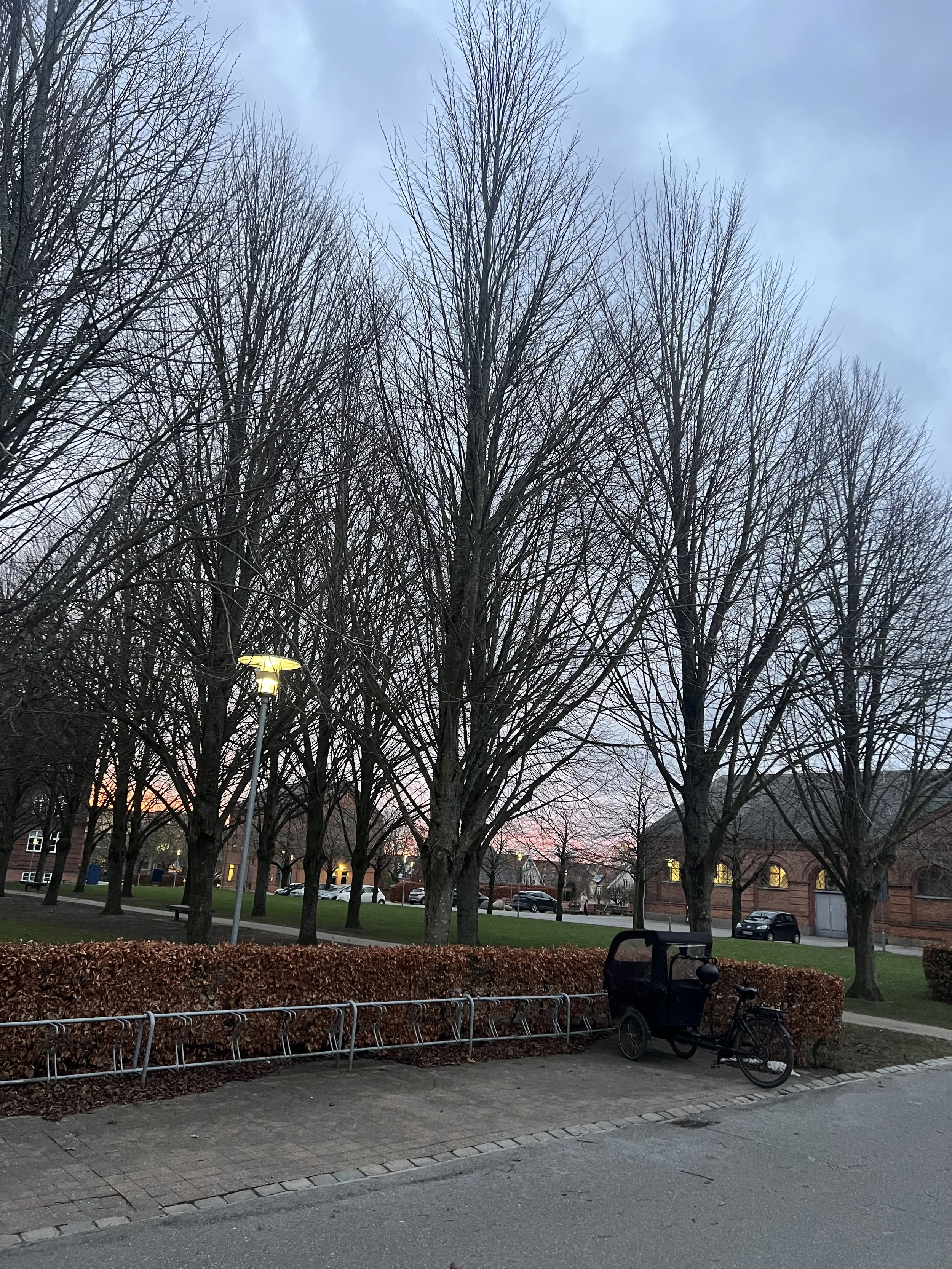
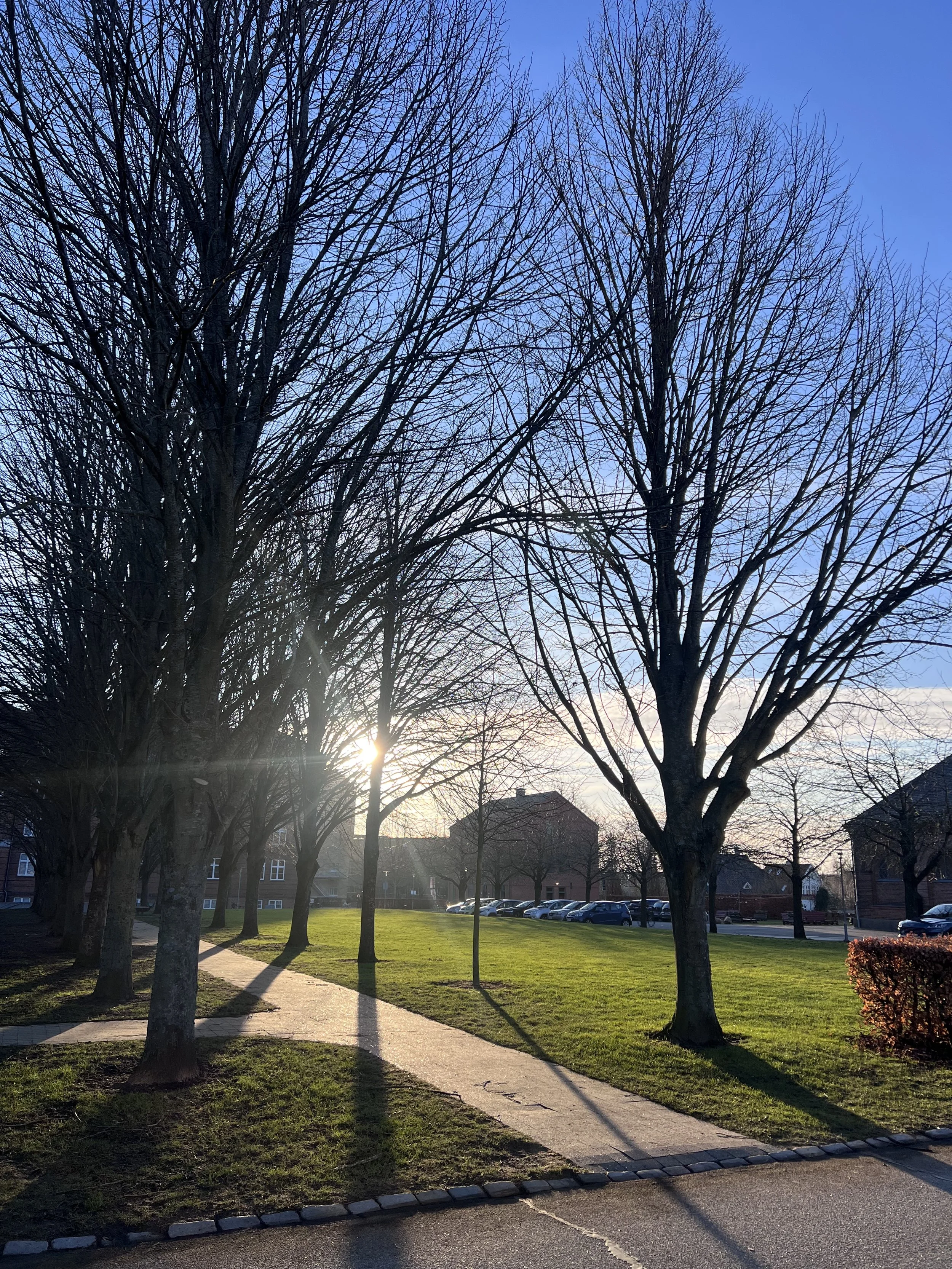
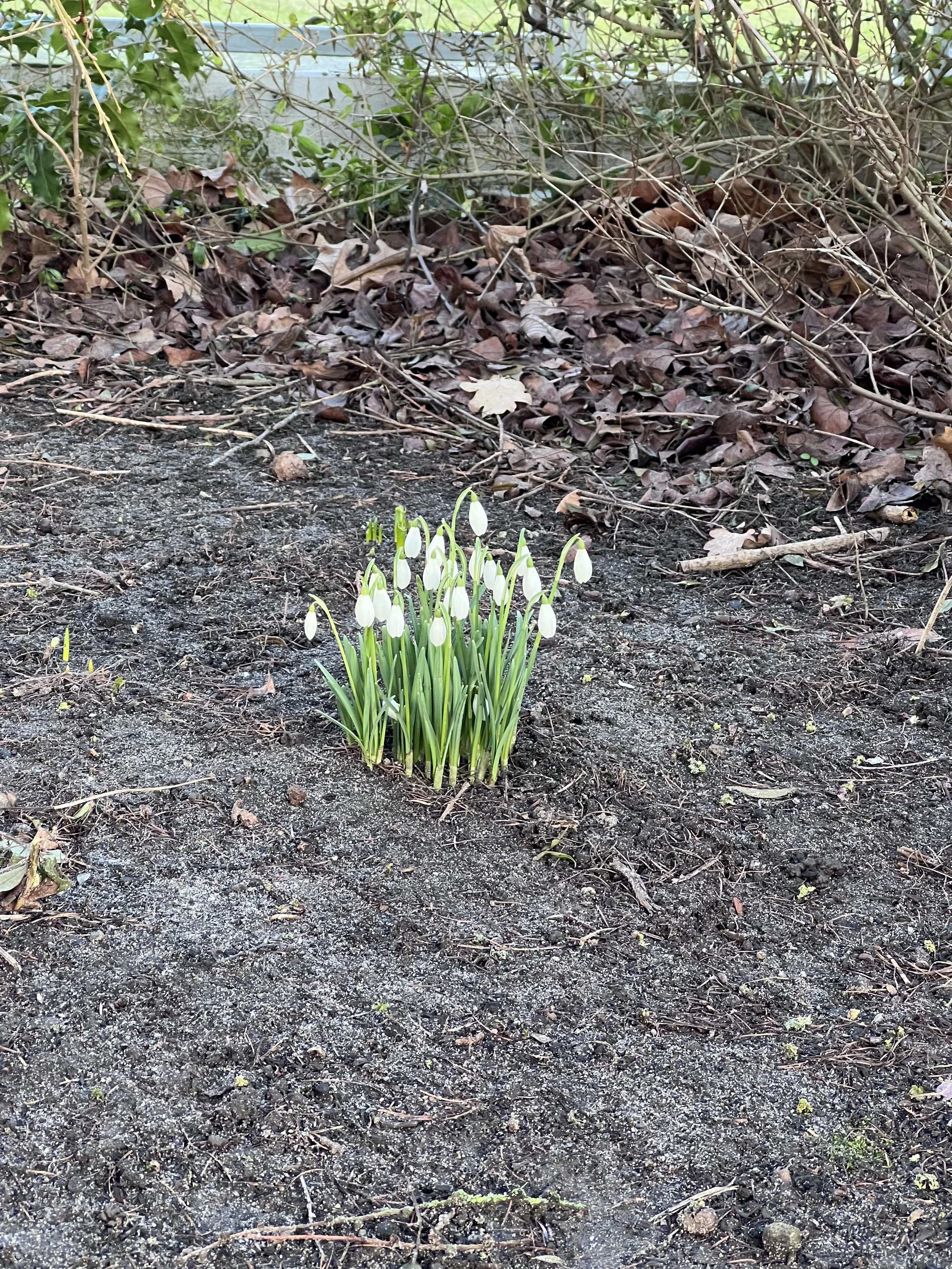
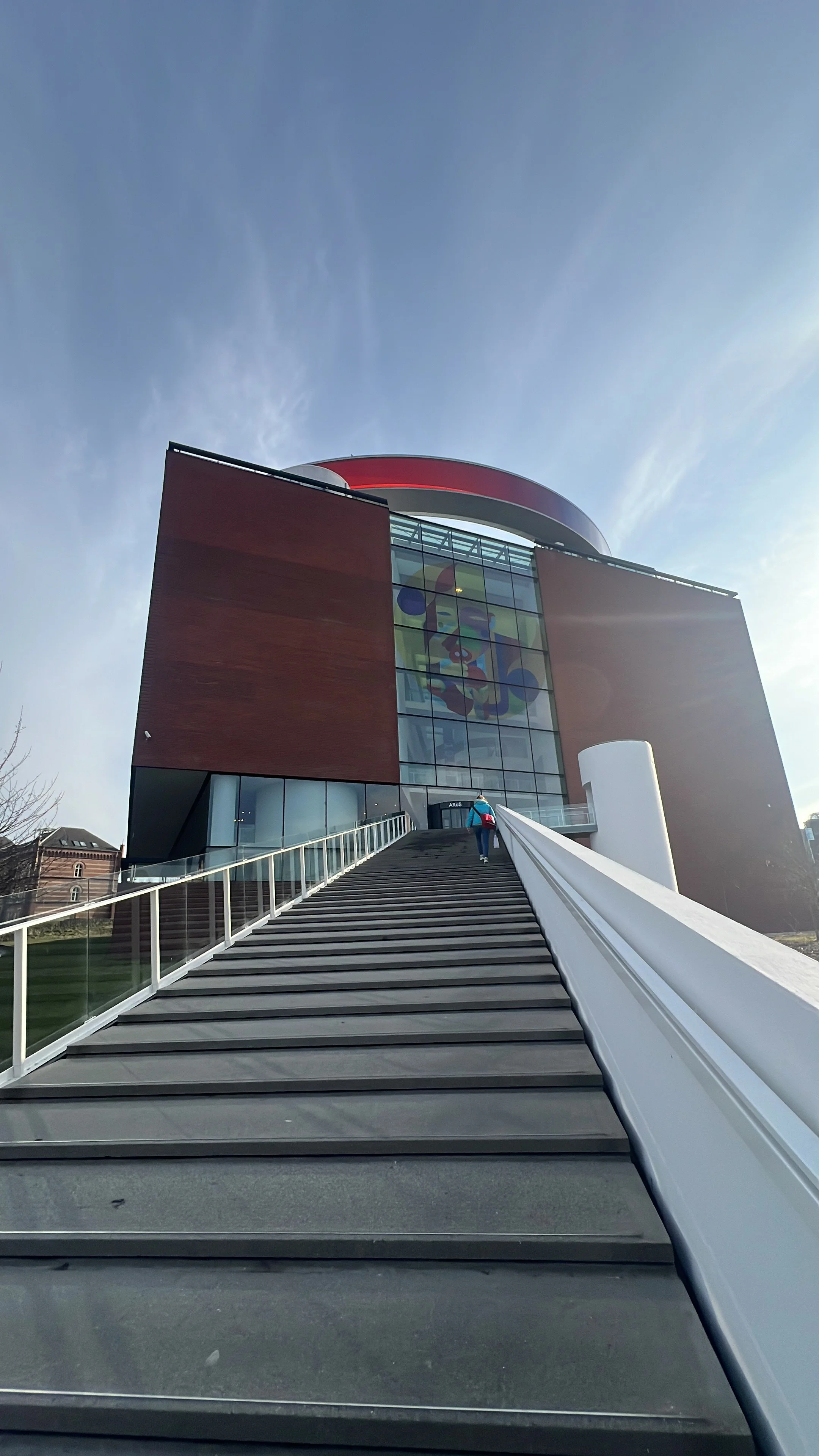
I’m currently in Aarhus, Denmark — smaller, very livable, and easier to navigate day-to-day. I’d never been to Denmark before, and I’m always curious to visit a totally new-to-me place. I'm enjoying having a bike to get around, and the sun & warm weather are making everyone happier!
This fall, our cohort will split into 3 pathways in different locations (France, Poland, and the Netherlands). I will be in Nantes, which I’m looking forward to because I loved living in Lyon and have enjoyed everywhere I’ve been in France so far.
It’s actually kind of hard for me to write about this from the perspective of giving advice because I know my personal experience, approach, and reactions are unique and probably not really that relevant to most people — not only am I the oldest in our class, I have also traveled to 55+ countries in my life and spent years spending only a few days or weeks in one place at a time.
So while I find aspects of the paperwork and moving process difficult because they are inherently a hassle & expensive, I also know that’s part of the deal, and it’s always been worth it to me for the benefit of traveling or living somewhere else. And even though it’s disruptive to move every semester, it’s also way more stability than I had for a decade of life on the go.
I suppose what I can say is to try to adopt some of my mindset and approach if you want to move and travel the world — whether through this program or any other way. It’s not going to be comfortable or convenient a lot of the time: you don’t pursue this for those reasons. Adventures and different opportunities are often inherently uncomfortable. The unknown is new and different by definition — and you simply will not always like all of it. Navigating bureaucracy can be particularly hard with unfamiliar languages and customs.
I’m not advocating for masochism, but life is a mixture of pain and pleasure, and we can’t avoid difficulty entirely, ever, anywhere. For me, I choose the challenges of this lifestyle rather than those of having a home and family, for example. Both are hard, just in different ways. Experiencing life and school in different countries is incredible, and I know how helpful it is to have the structure & support of the CLMCE program, administration, and the Erasmus brand (even if that system is also imperfect) vs doing it totally on your own (which I have also done and has been a great experience).
It’s not all sunshine and rainbows, so set yourself up for success by making sure your mindset is ready for a complex reality of a spectrum of experiences. Because life is life no matter where you go.
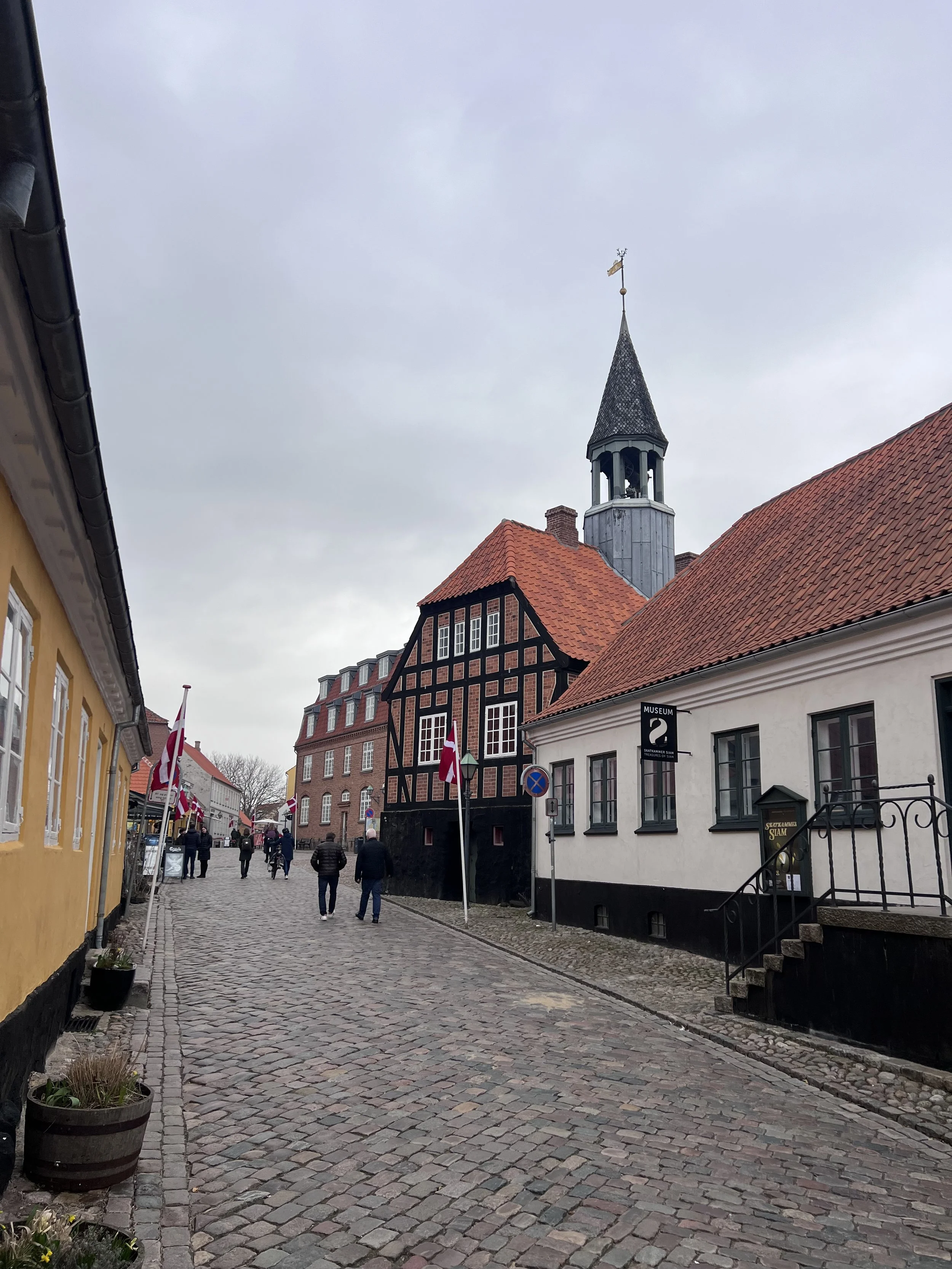
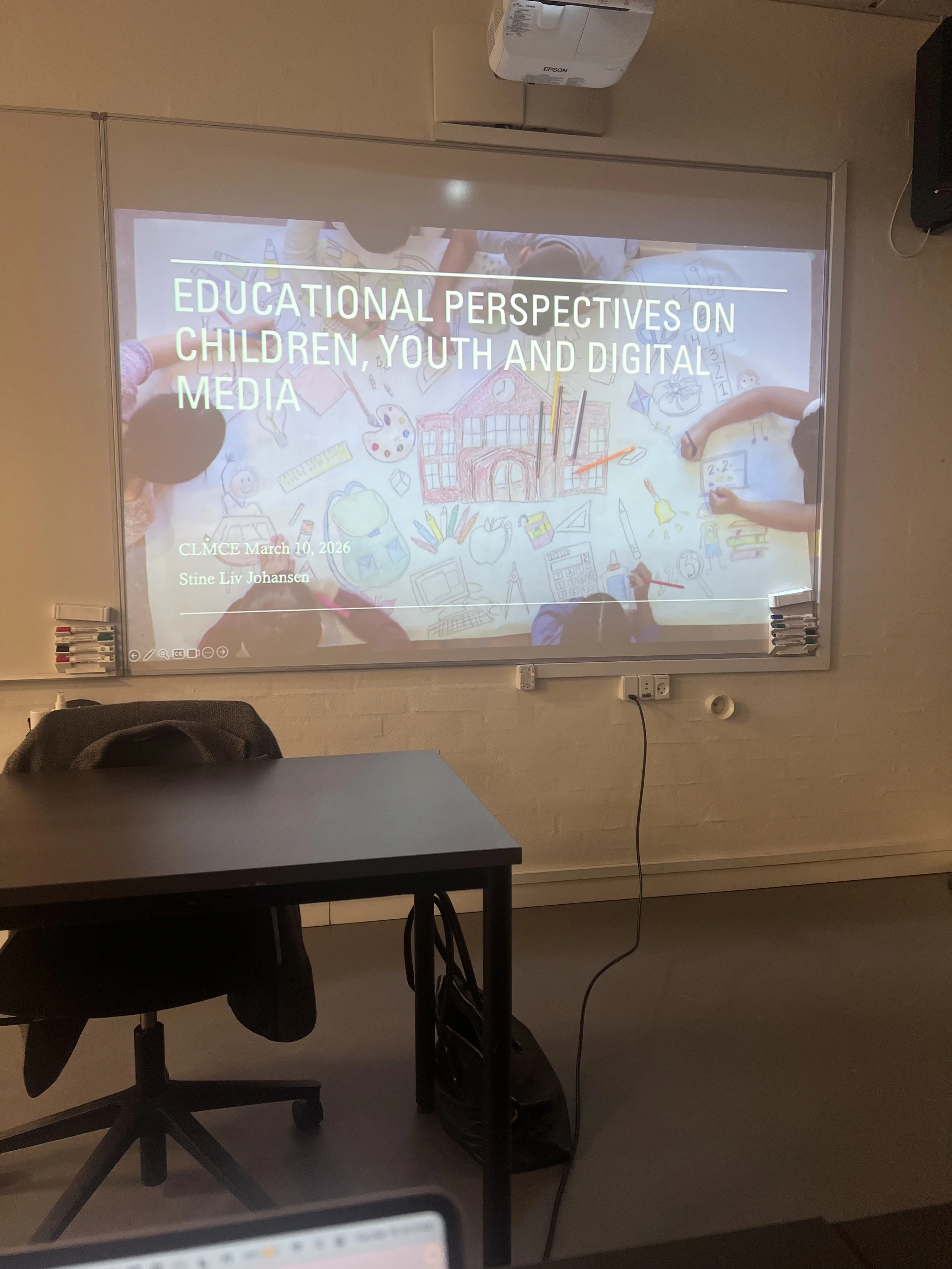
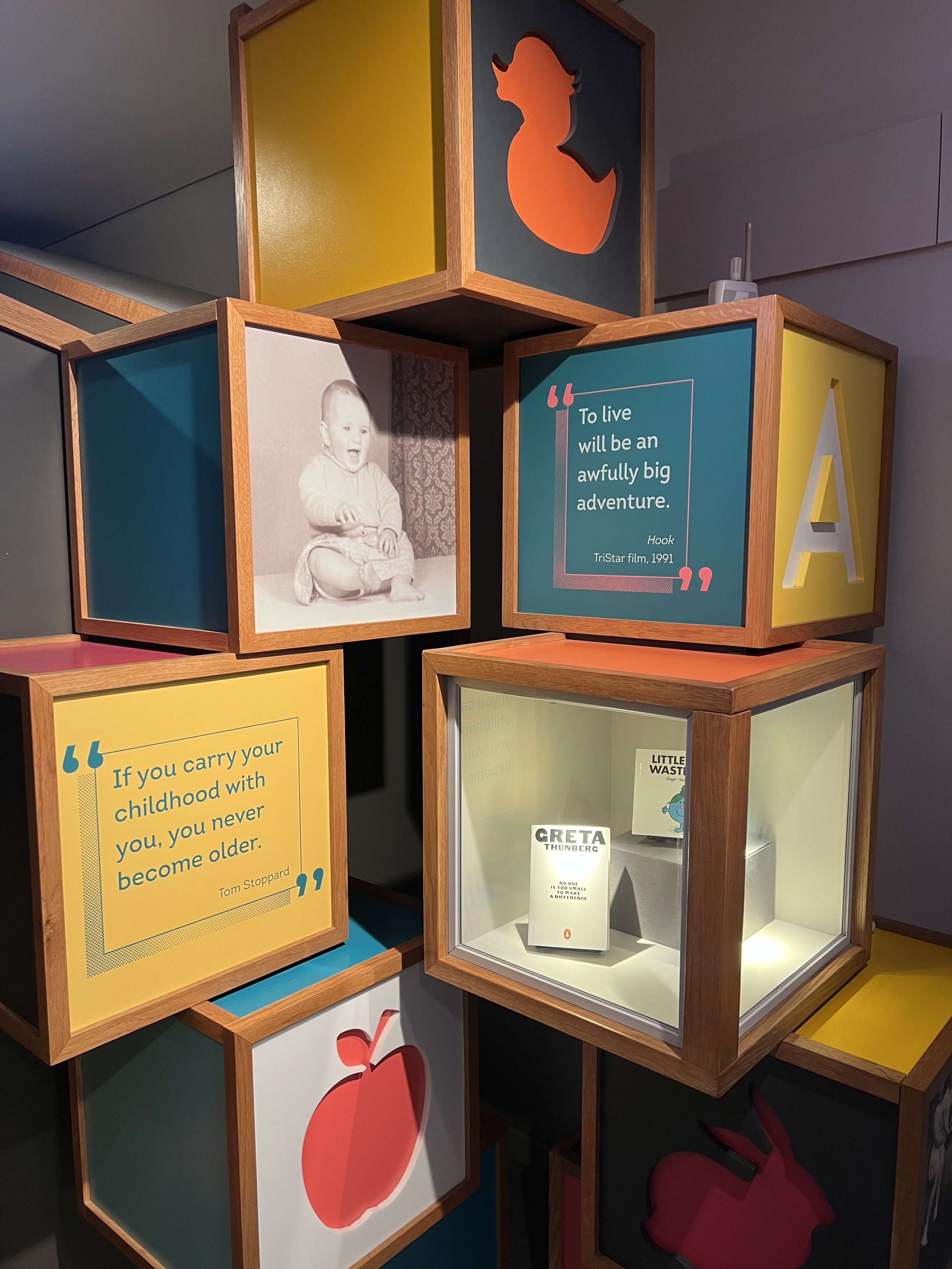
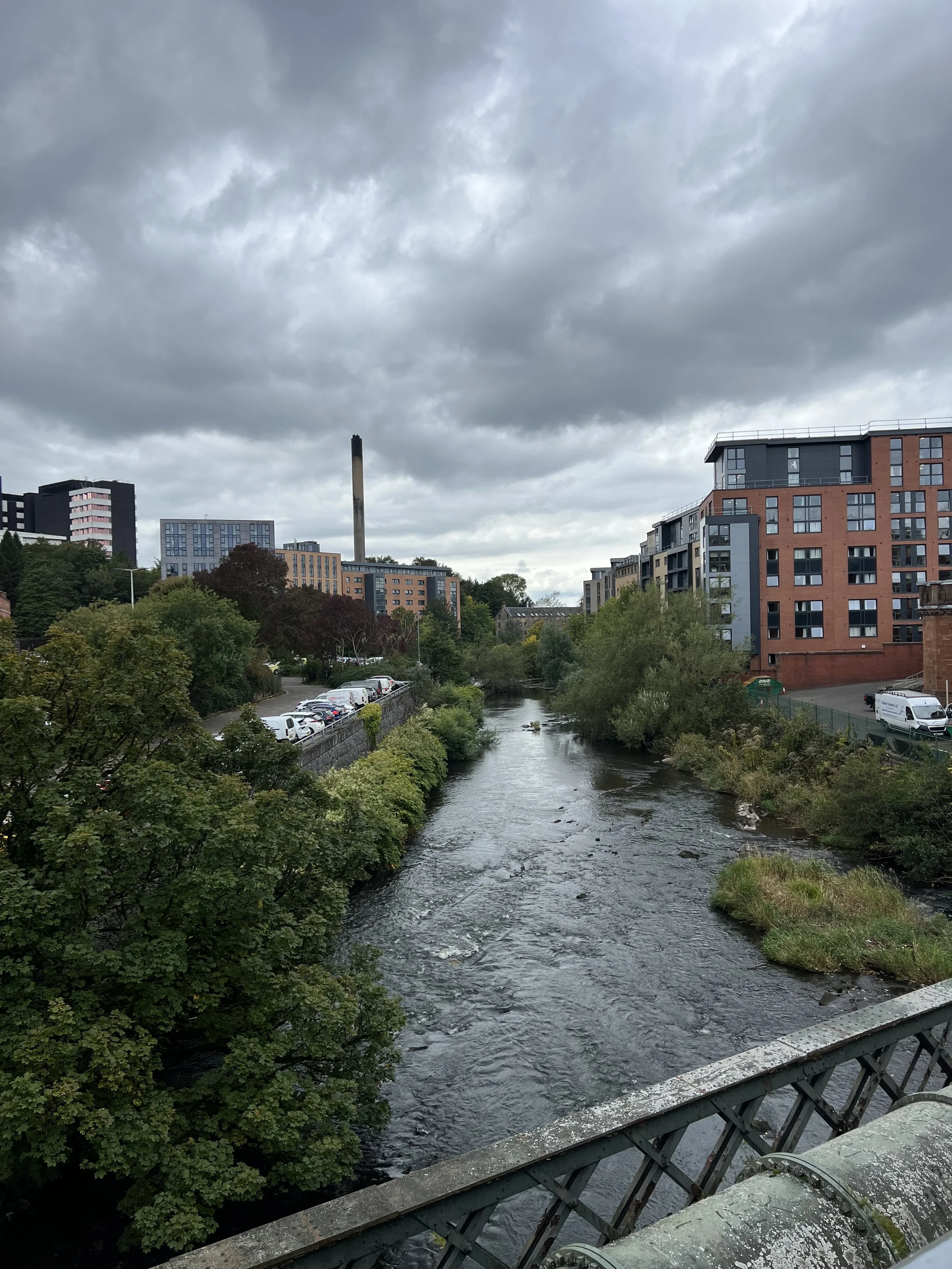
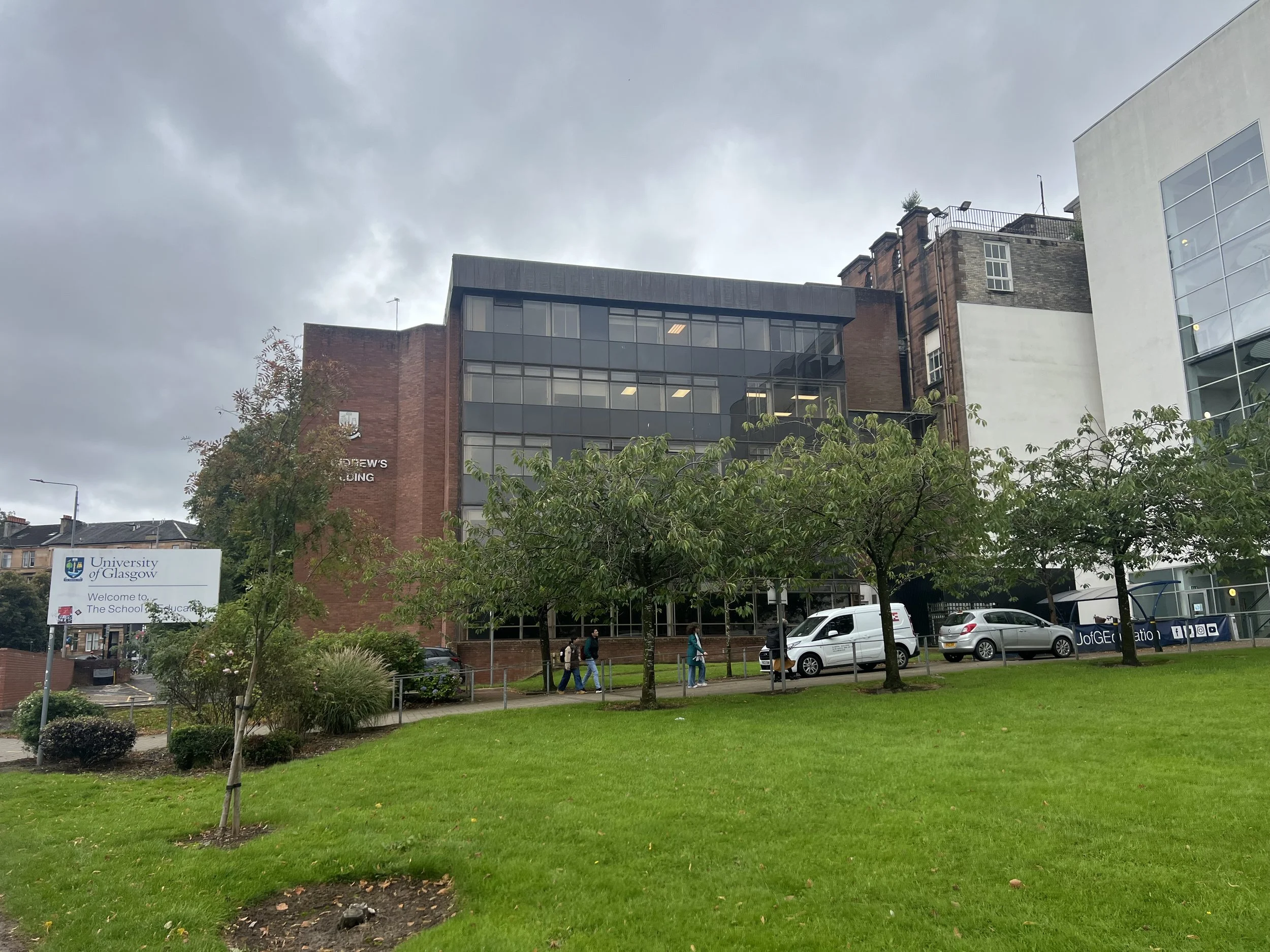
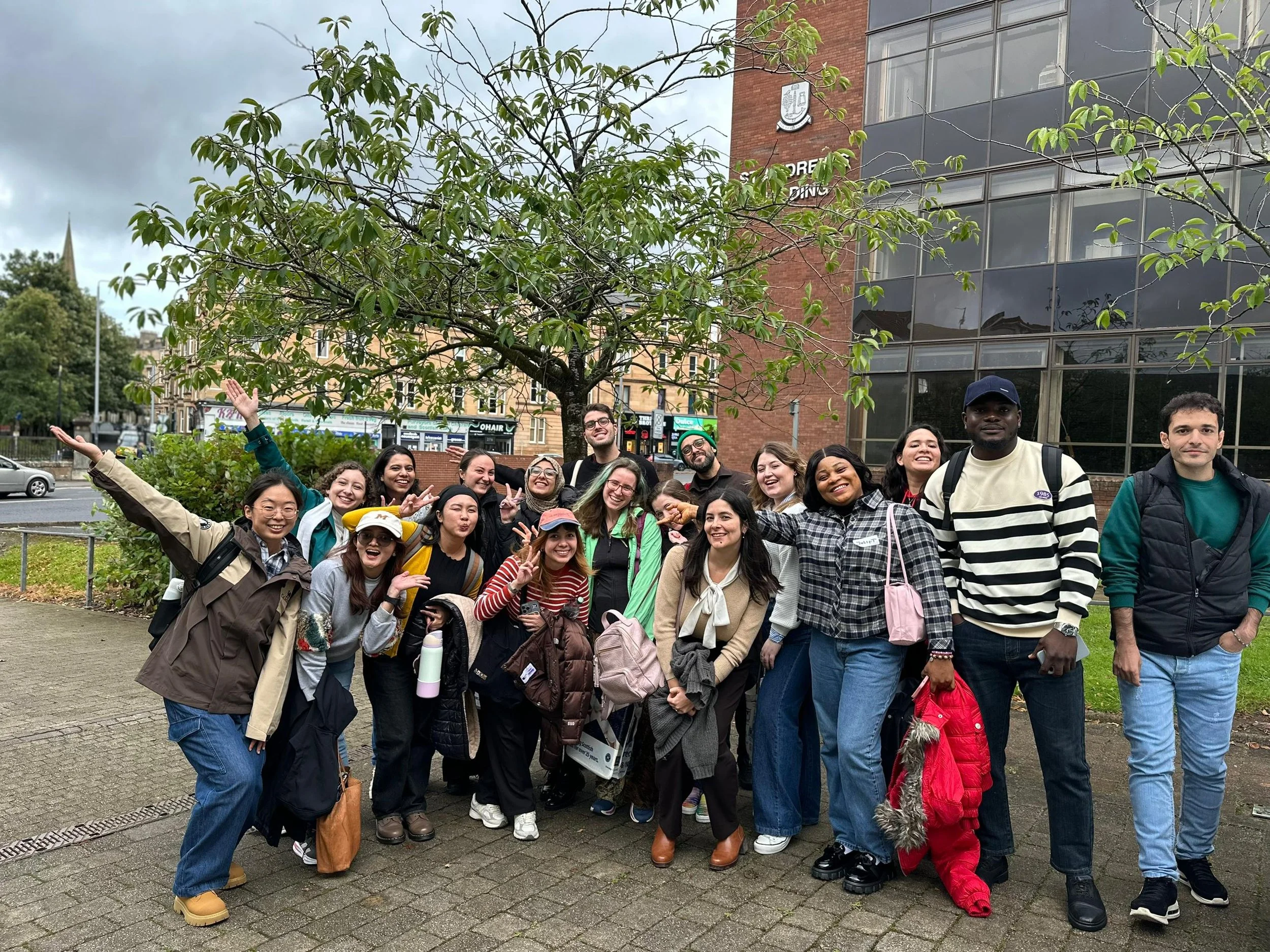
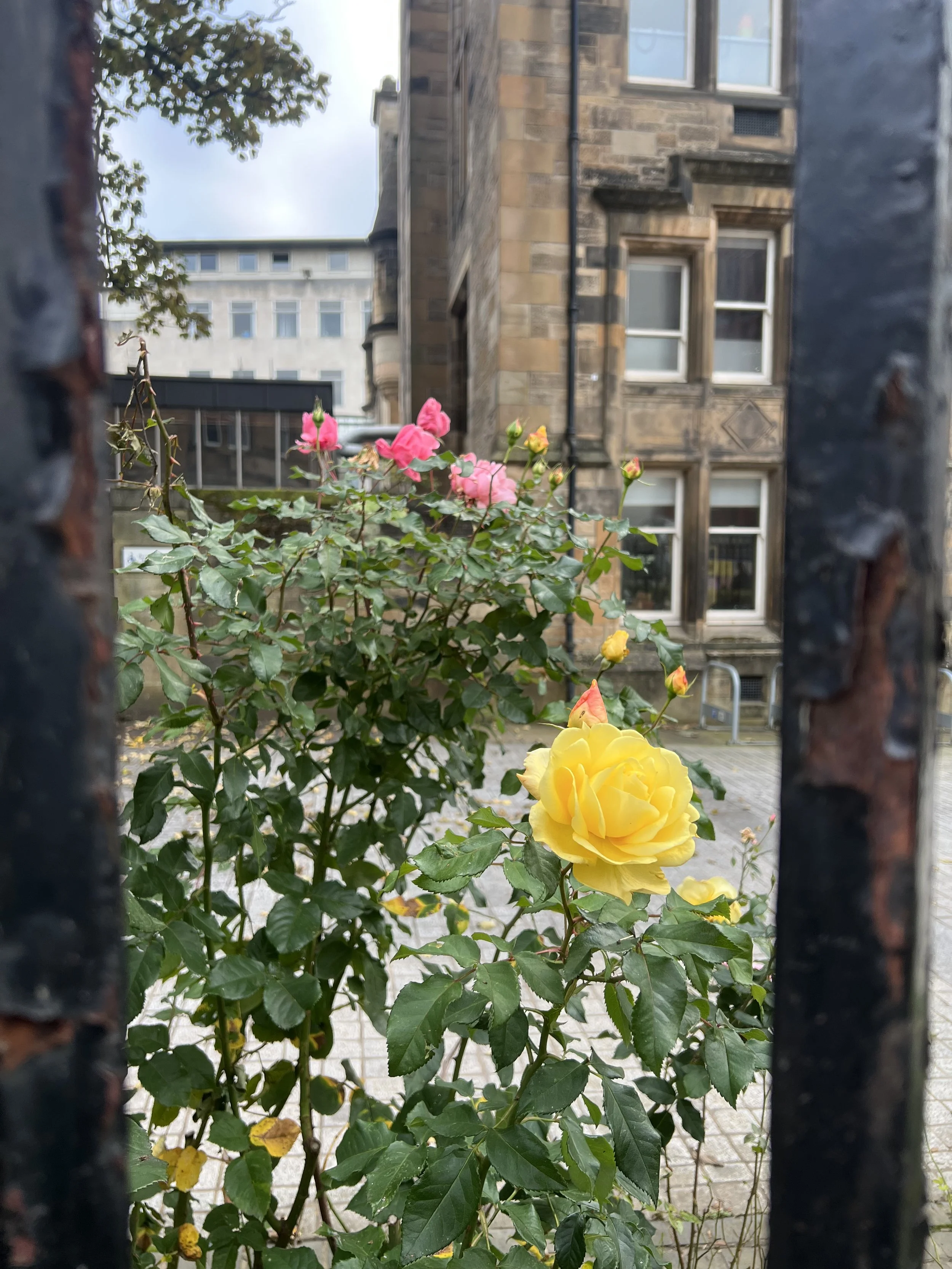
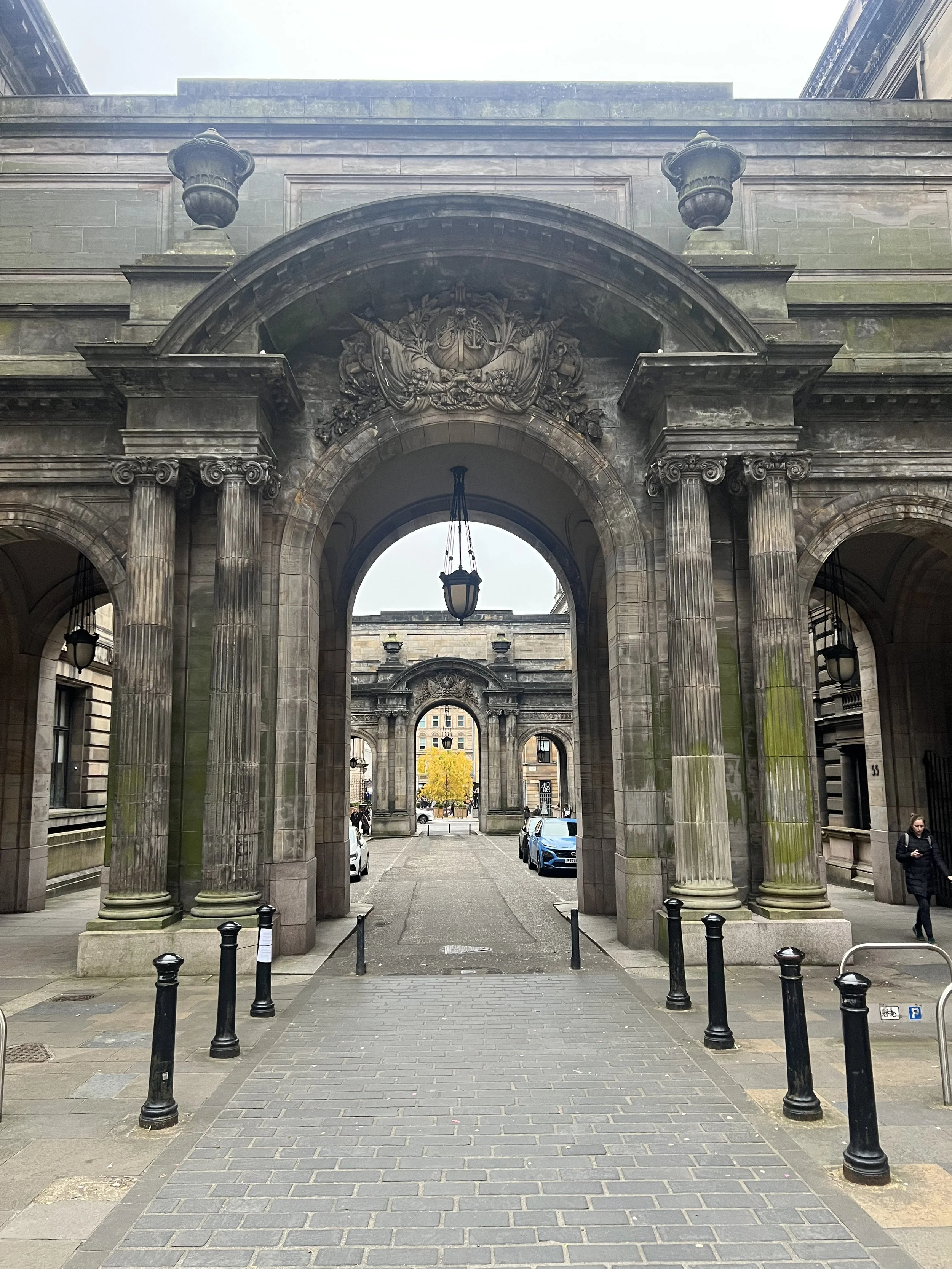
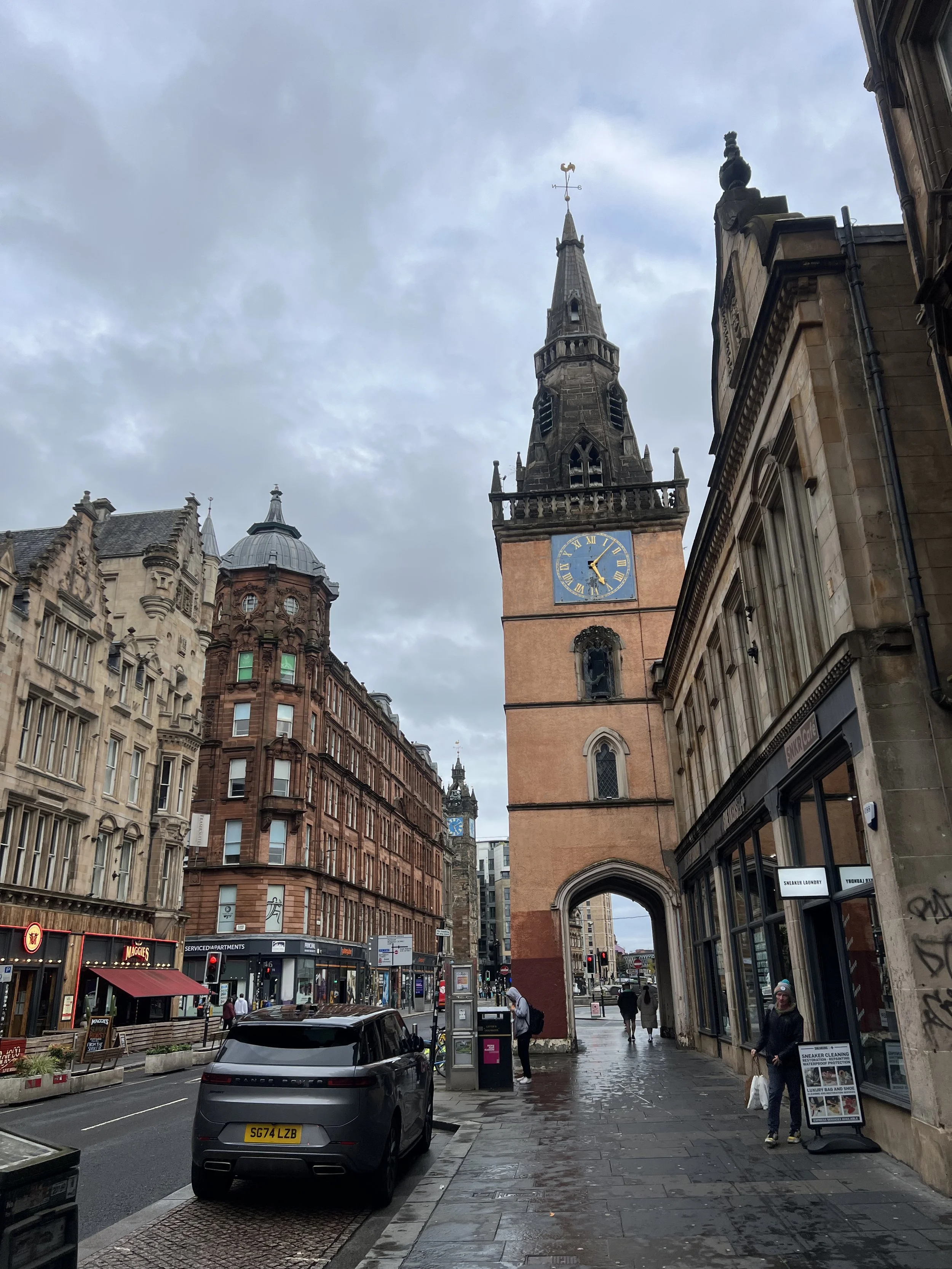
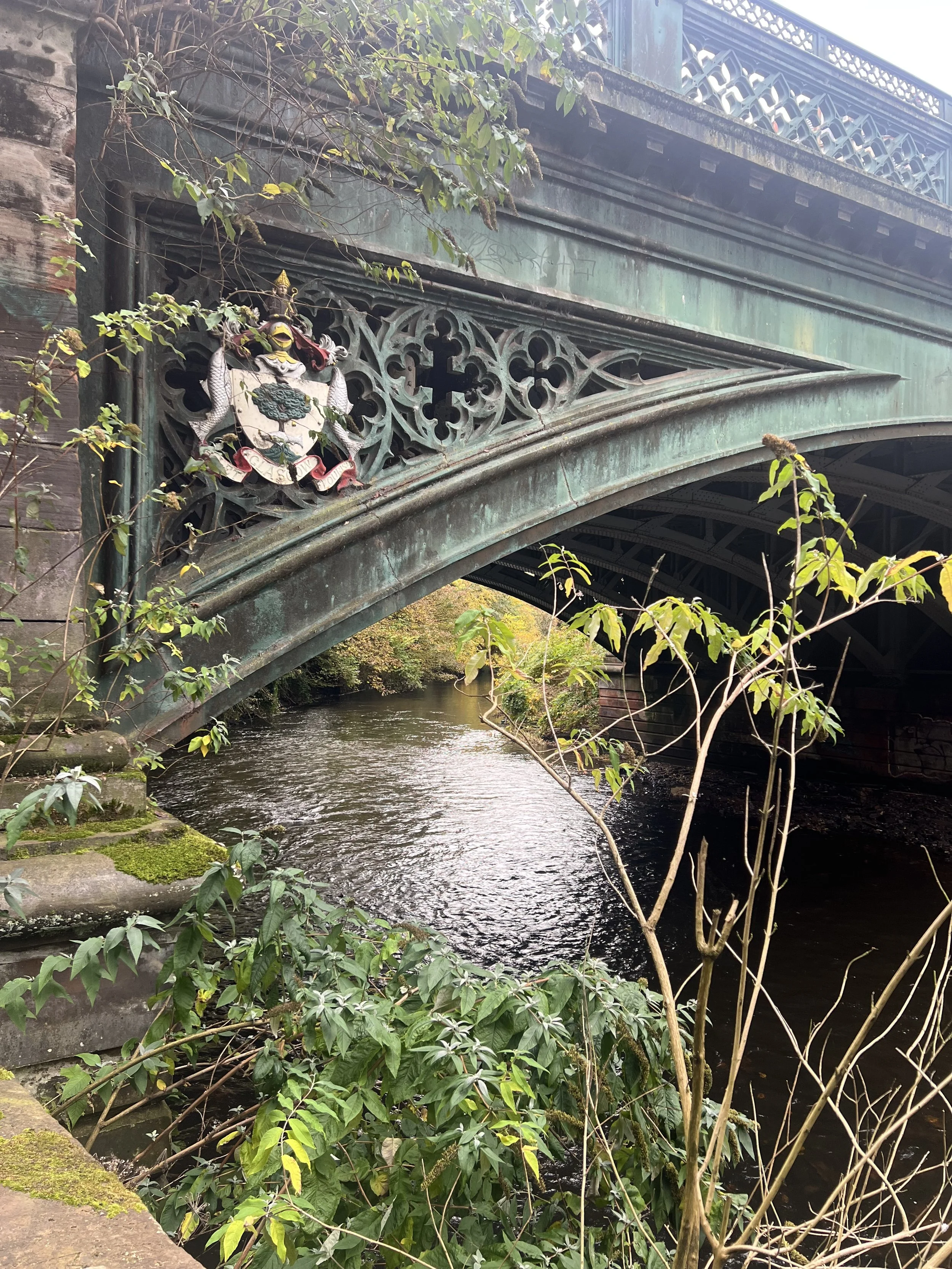
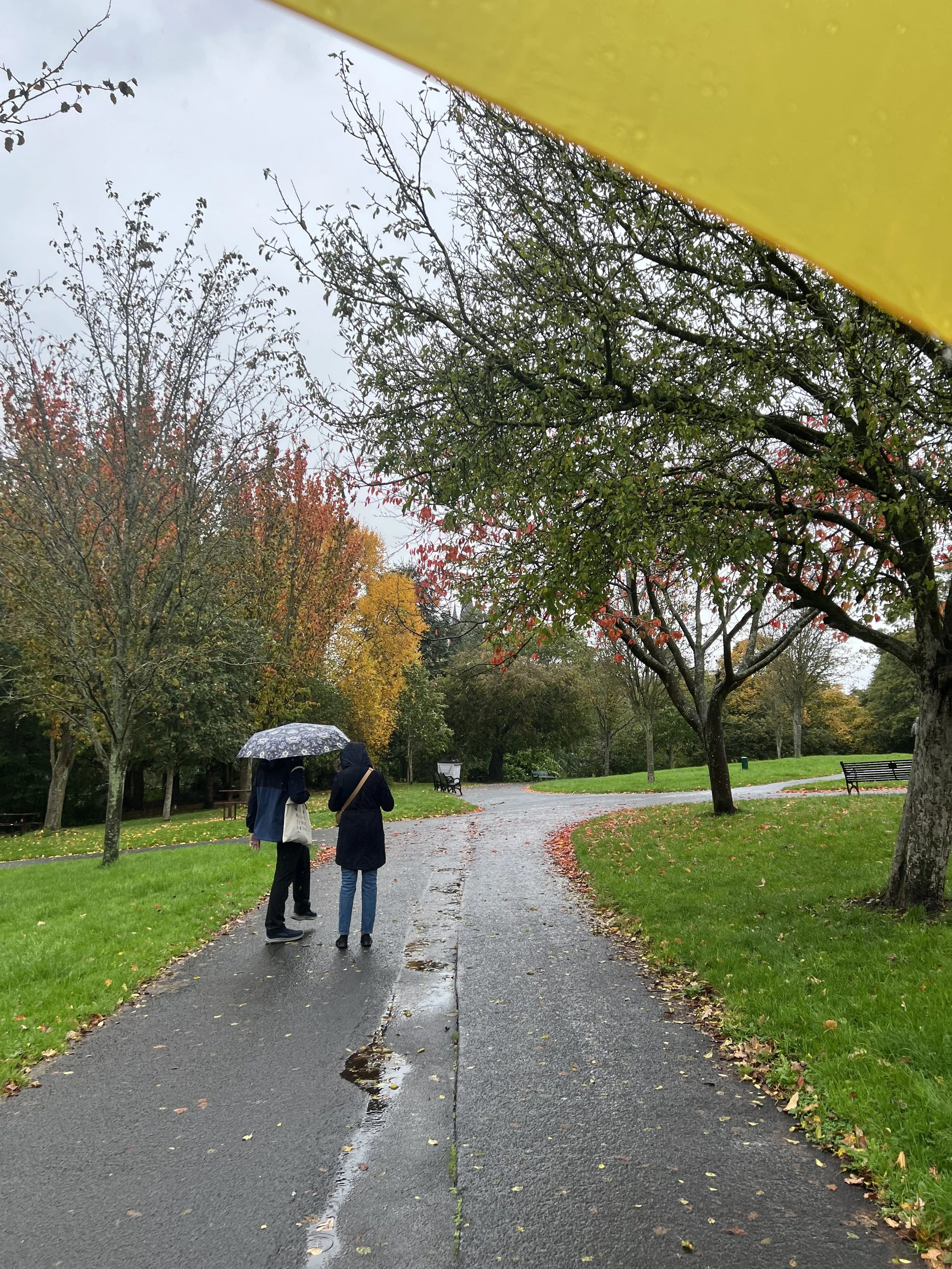
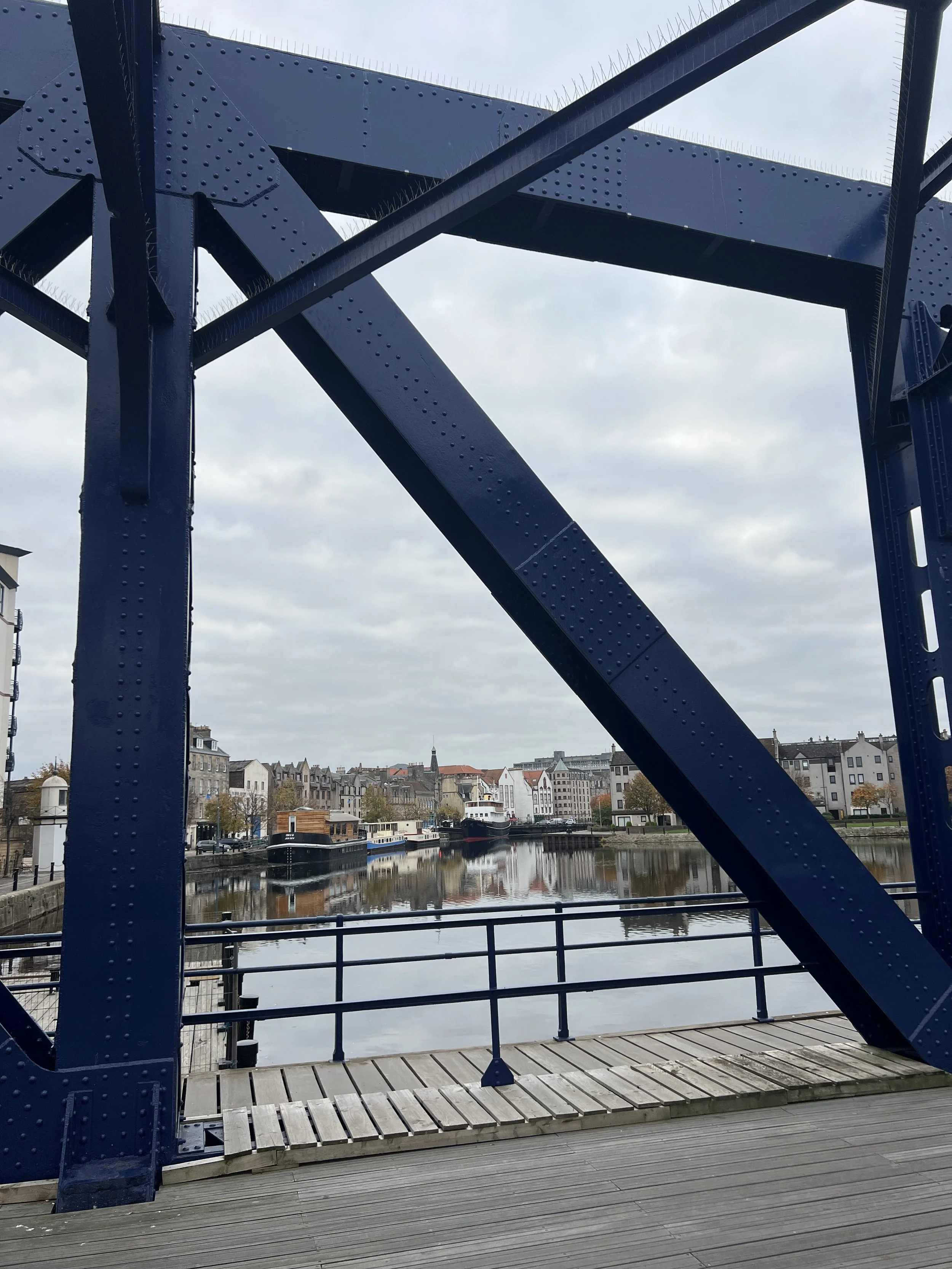
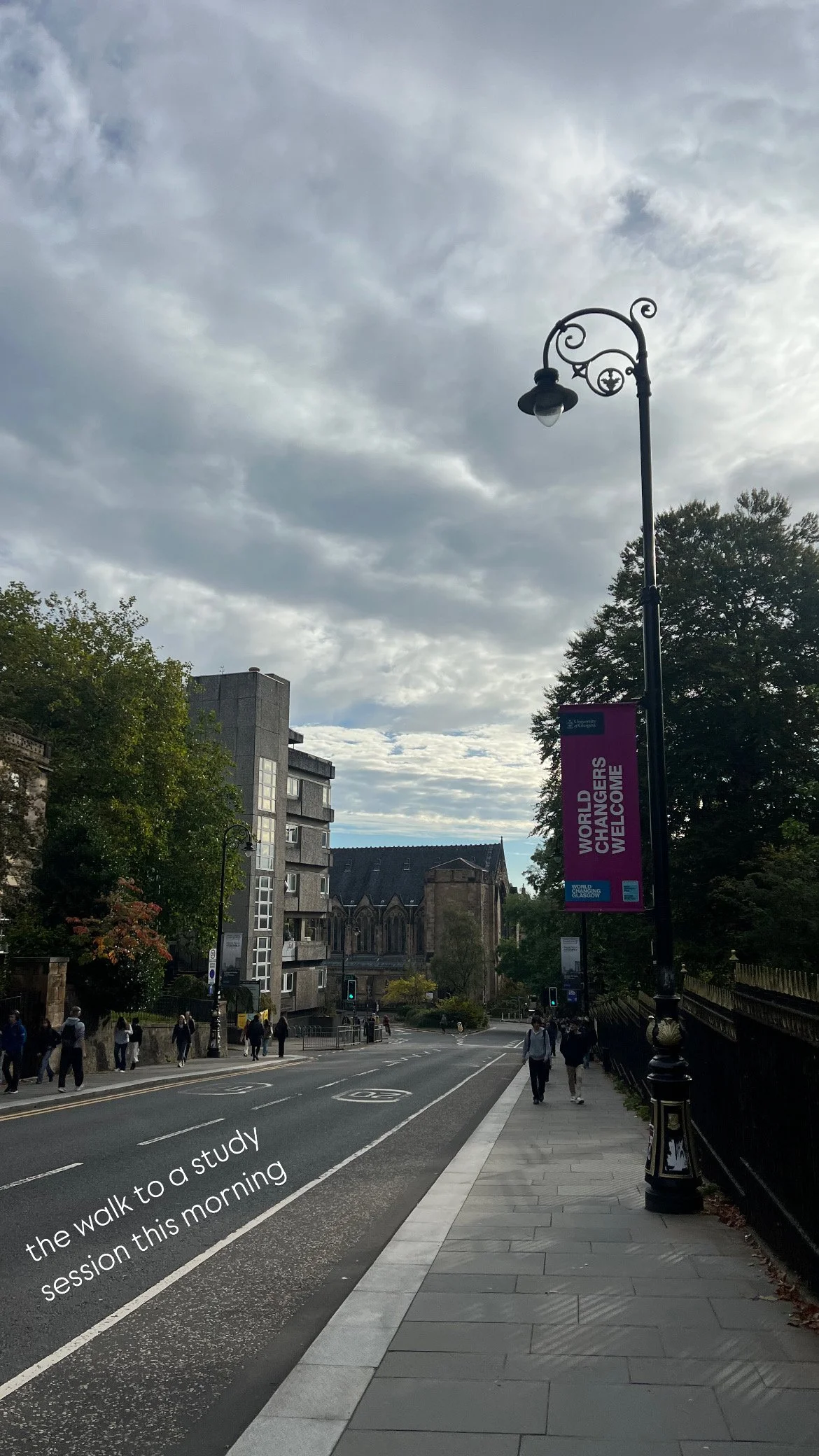
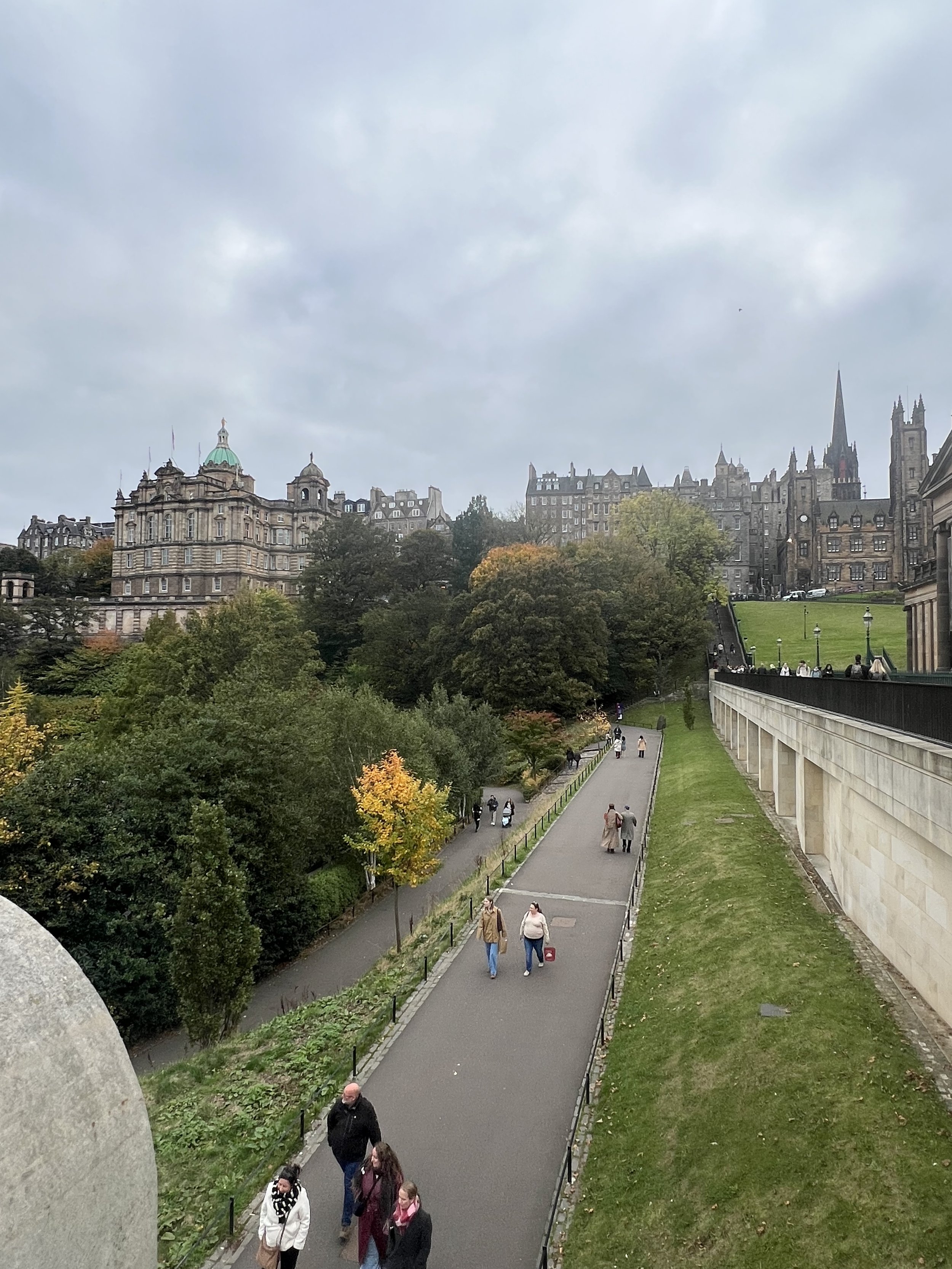
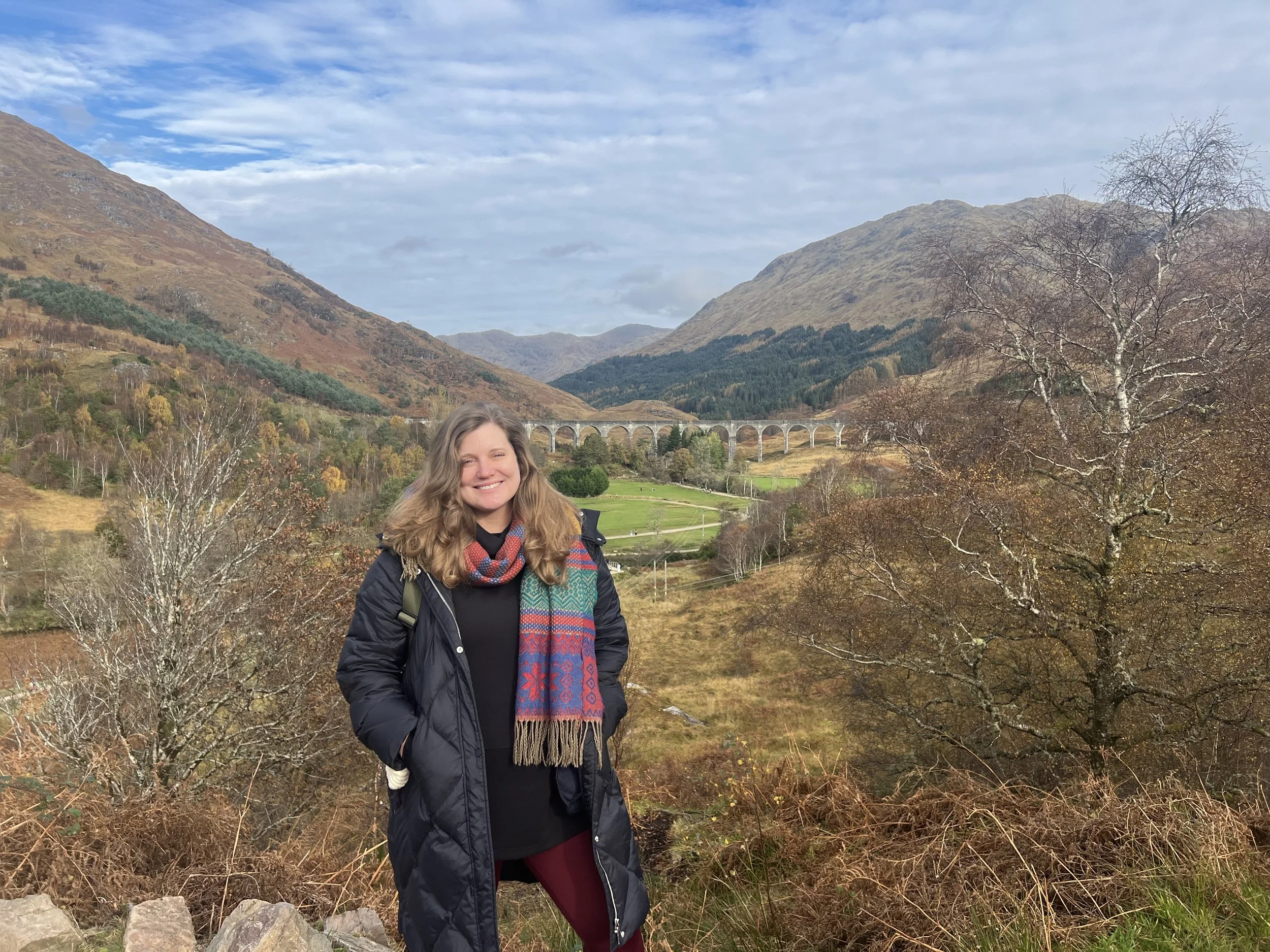
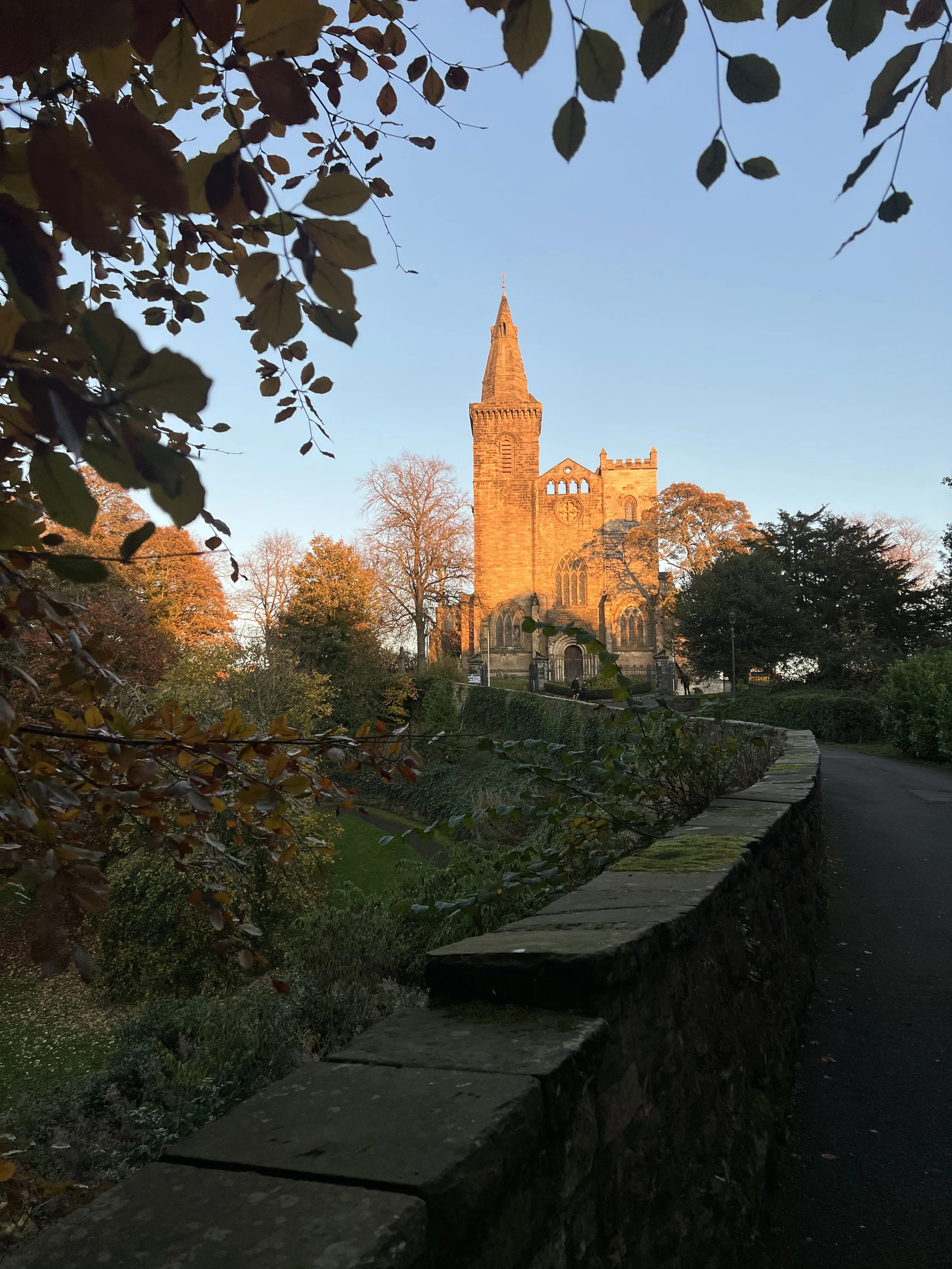
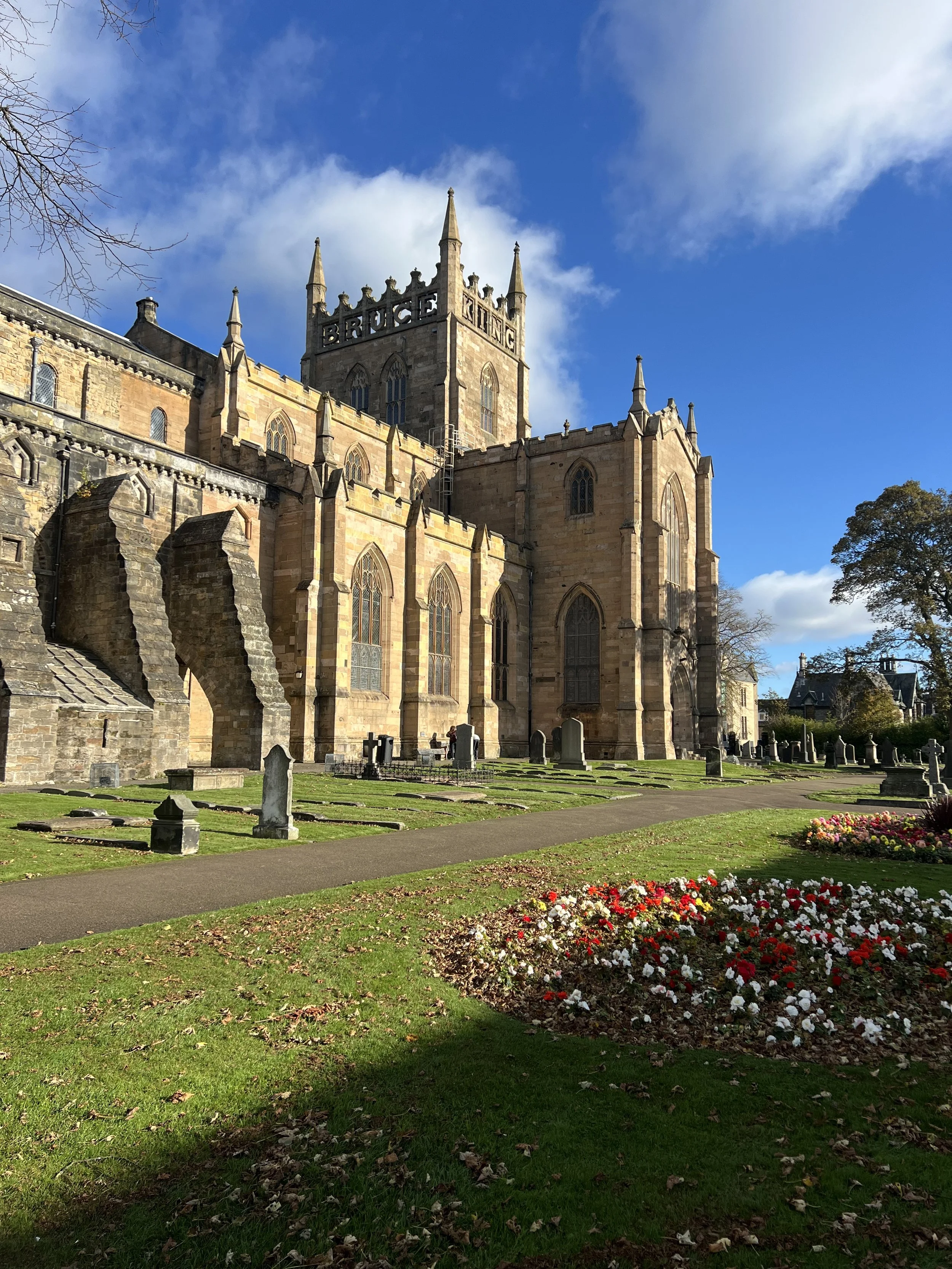
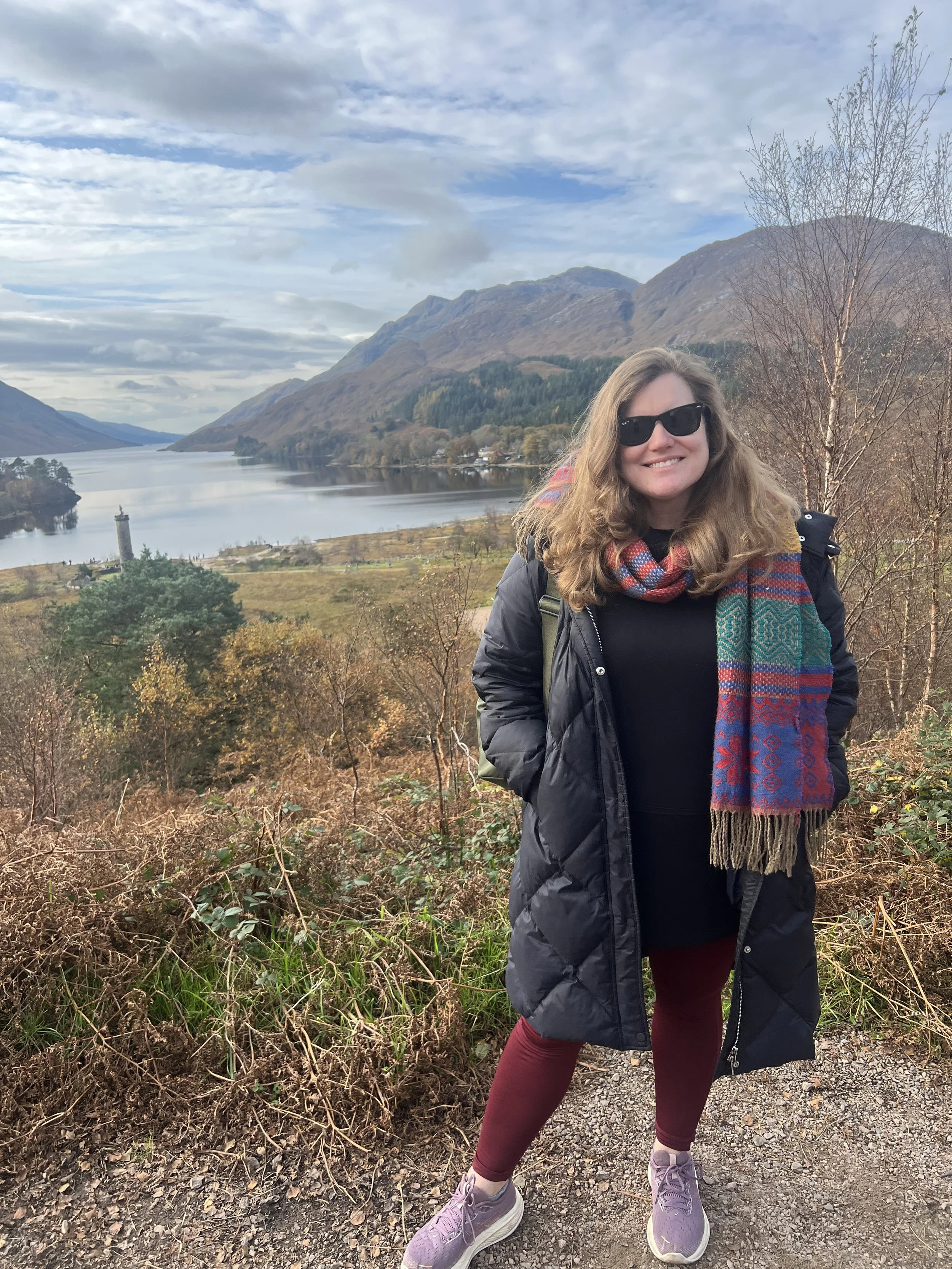
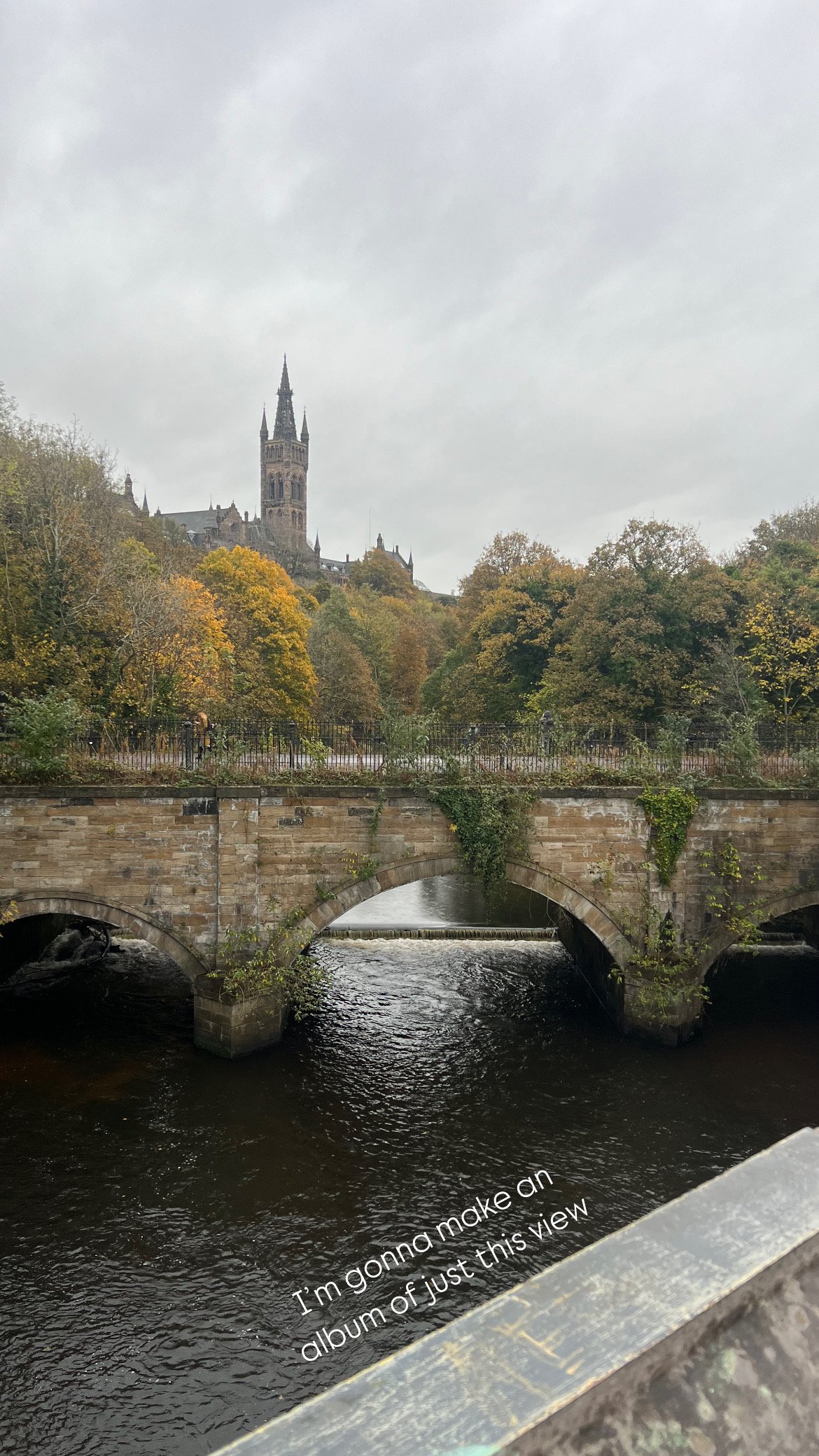
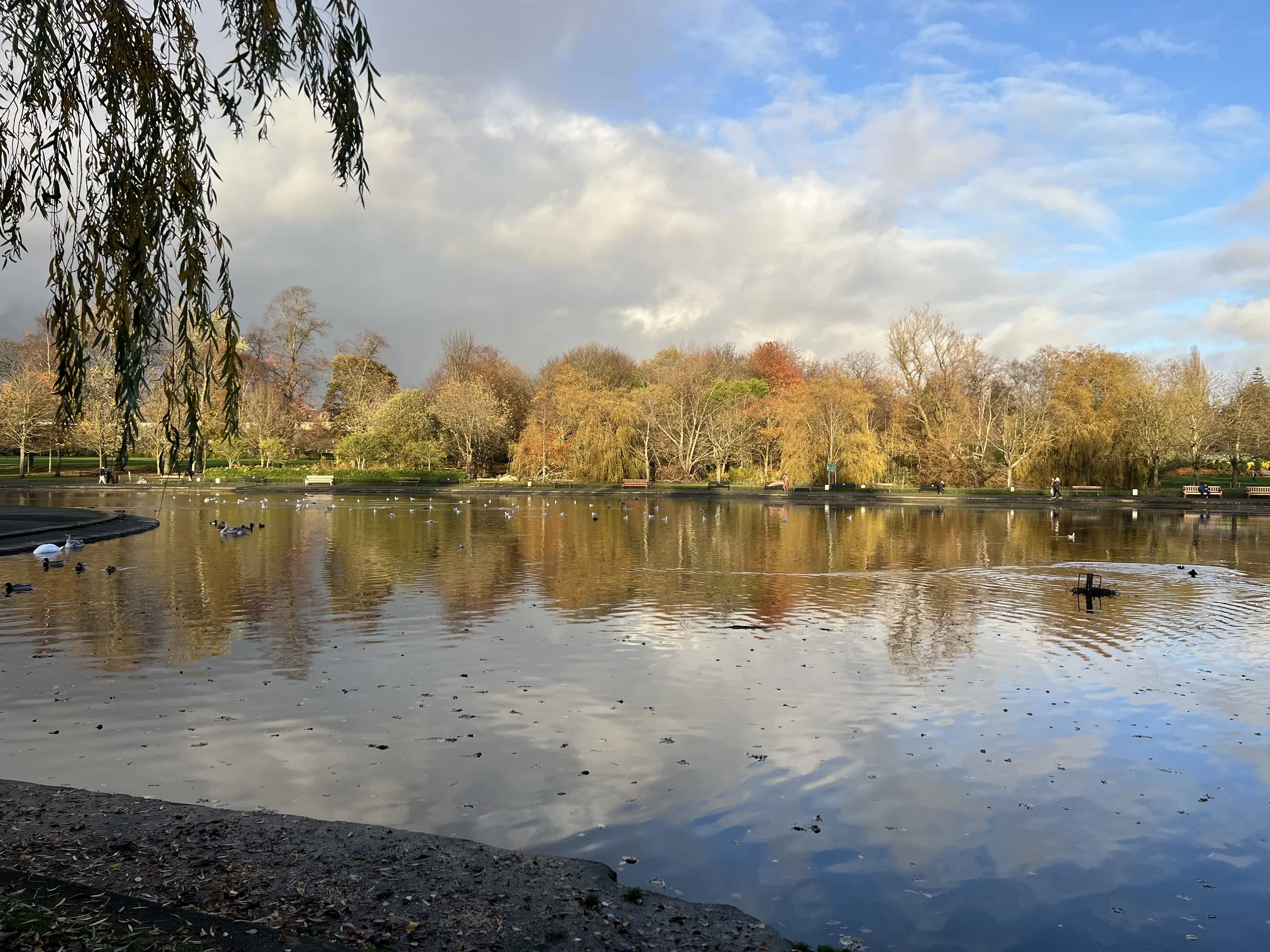
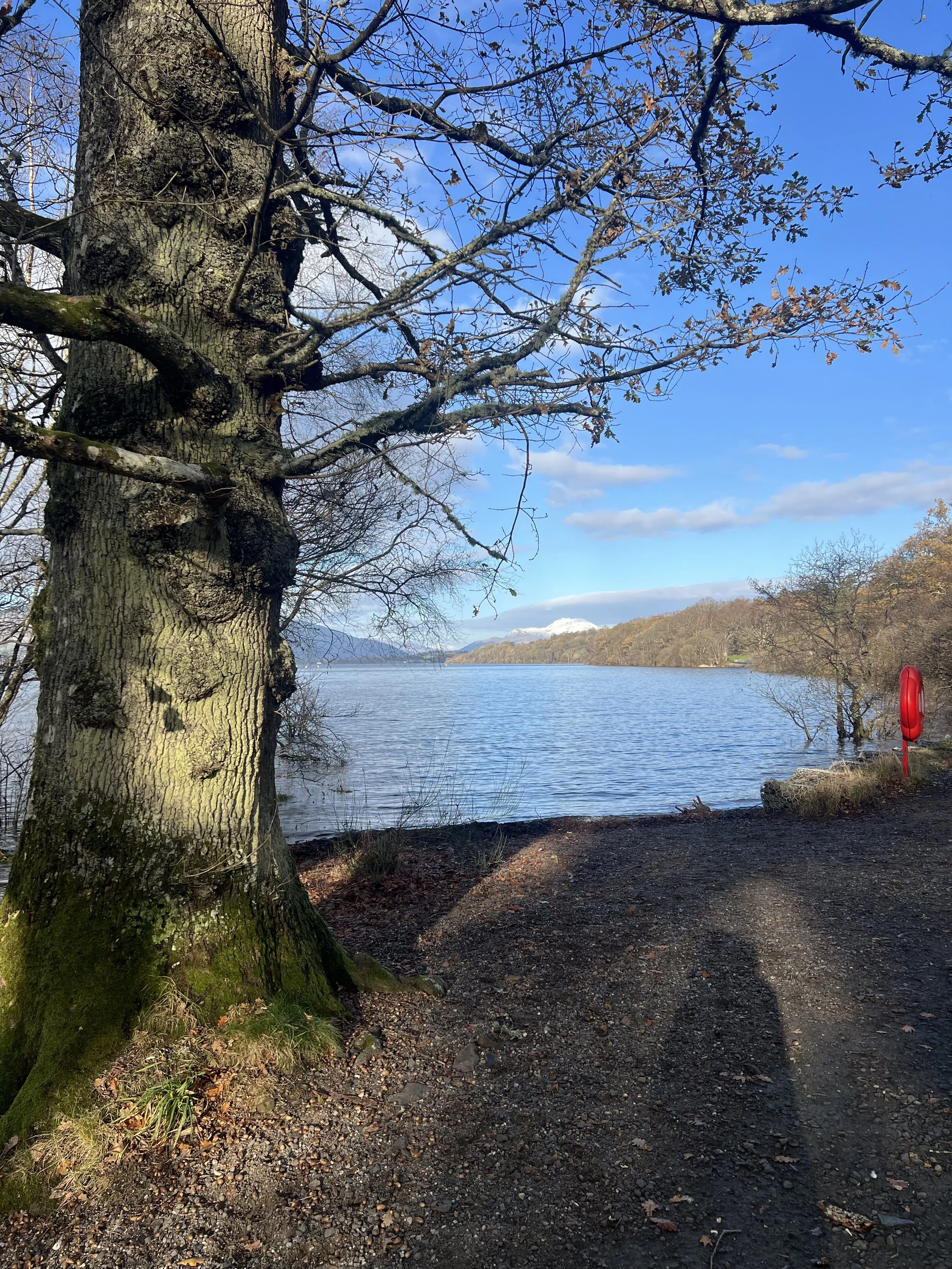
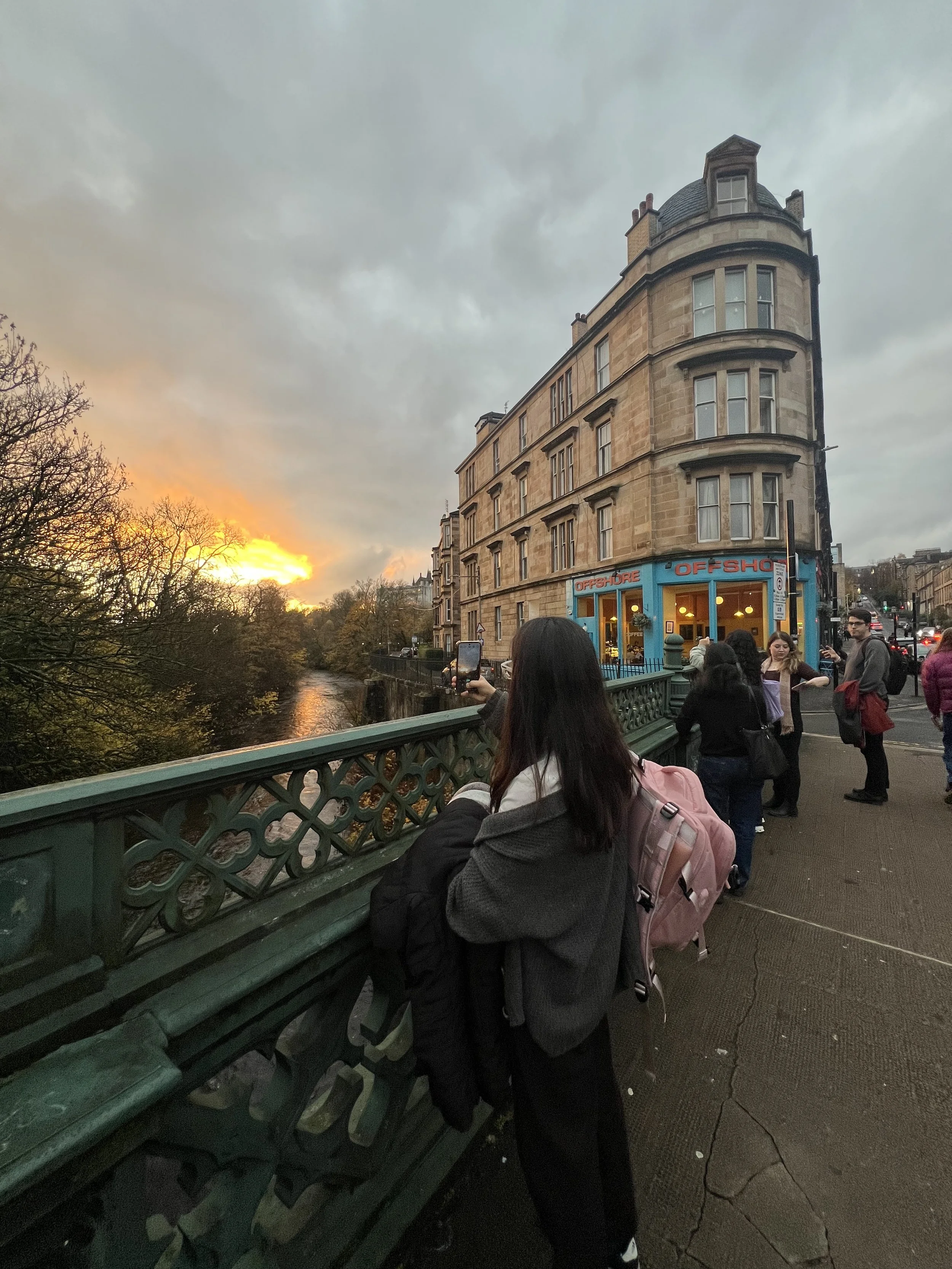
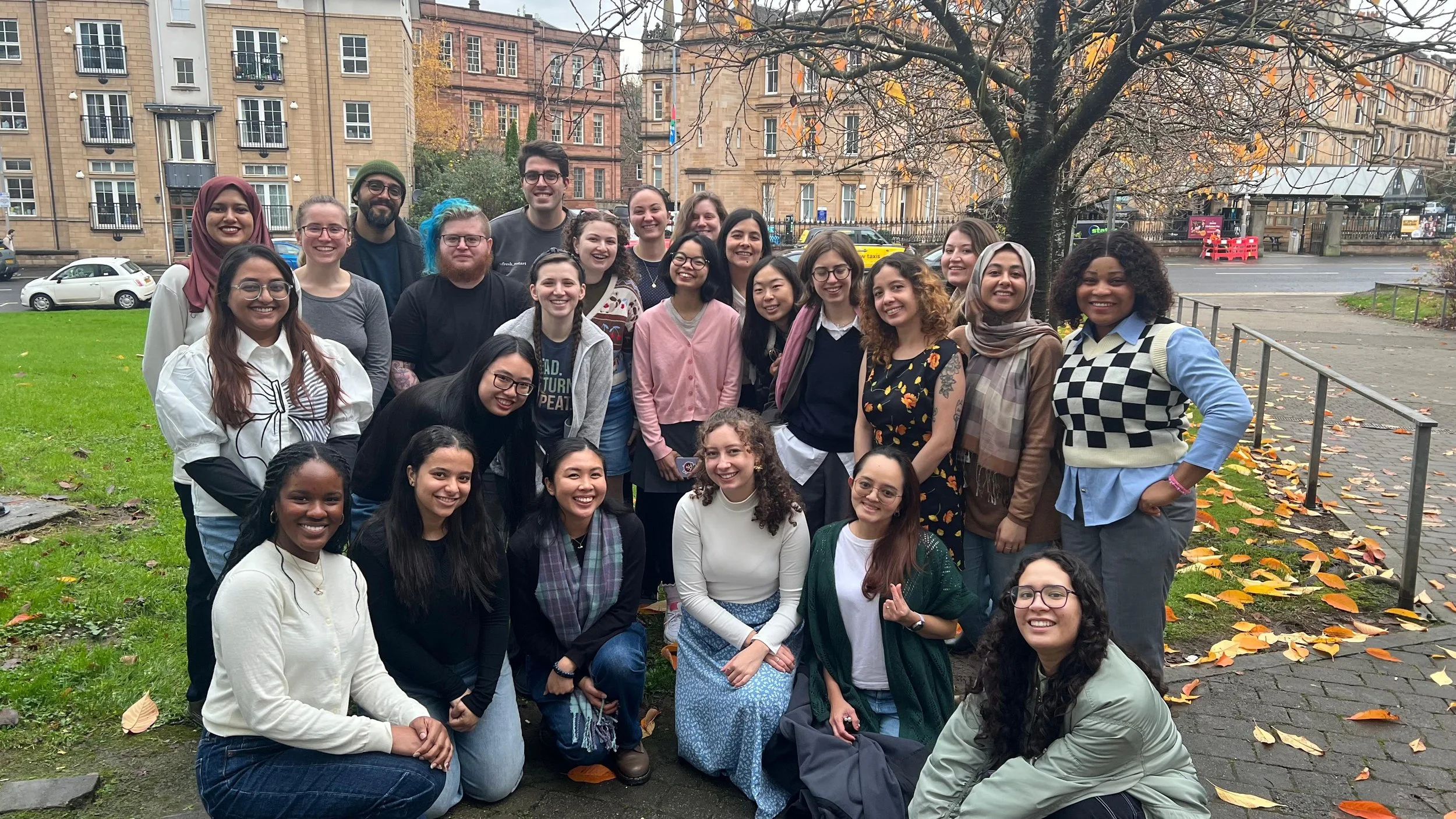
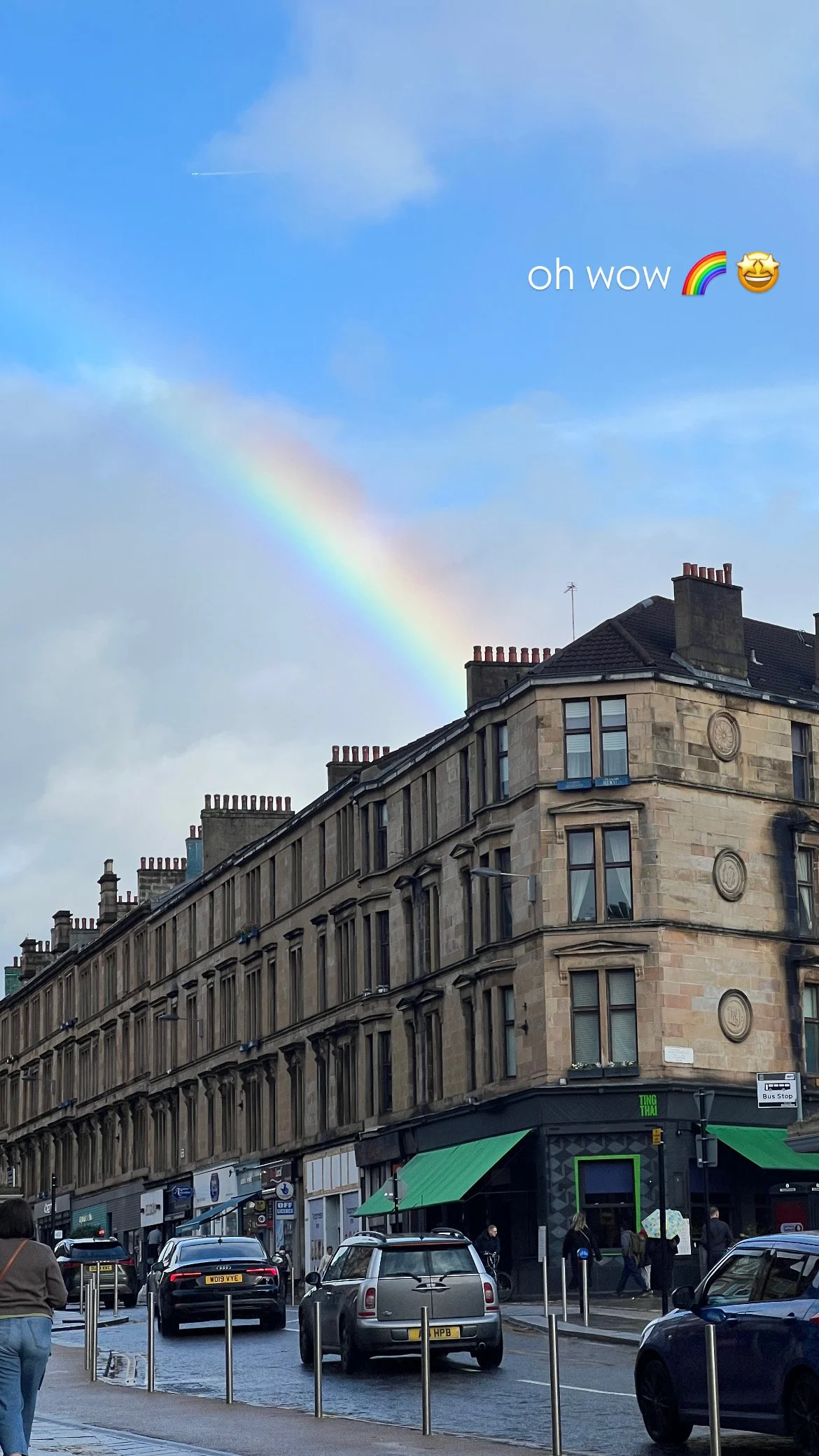
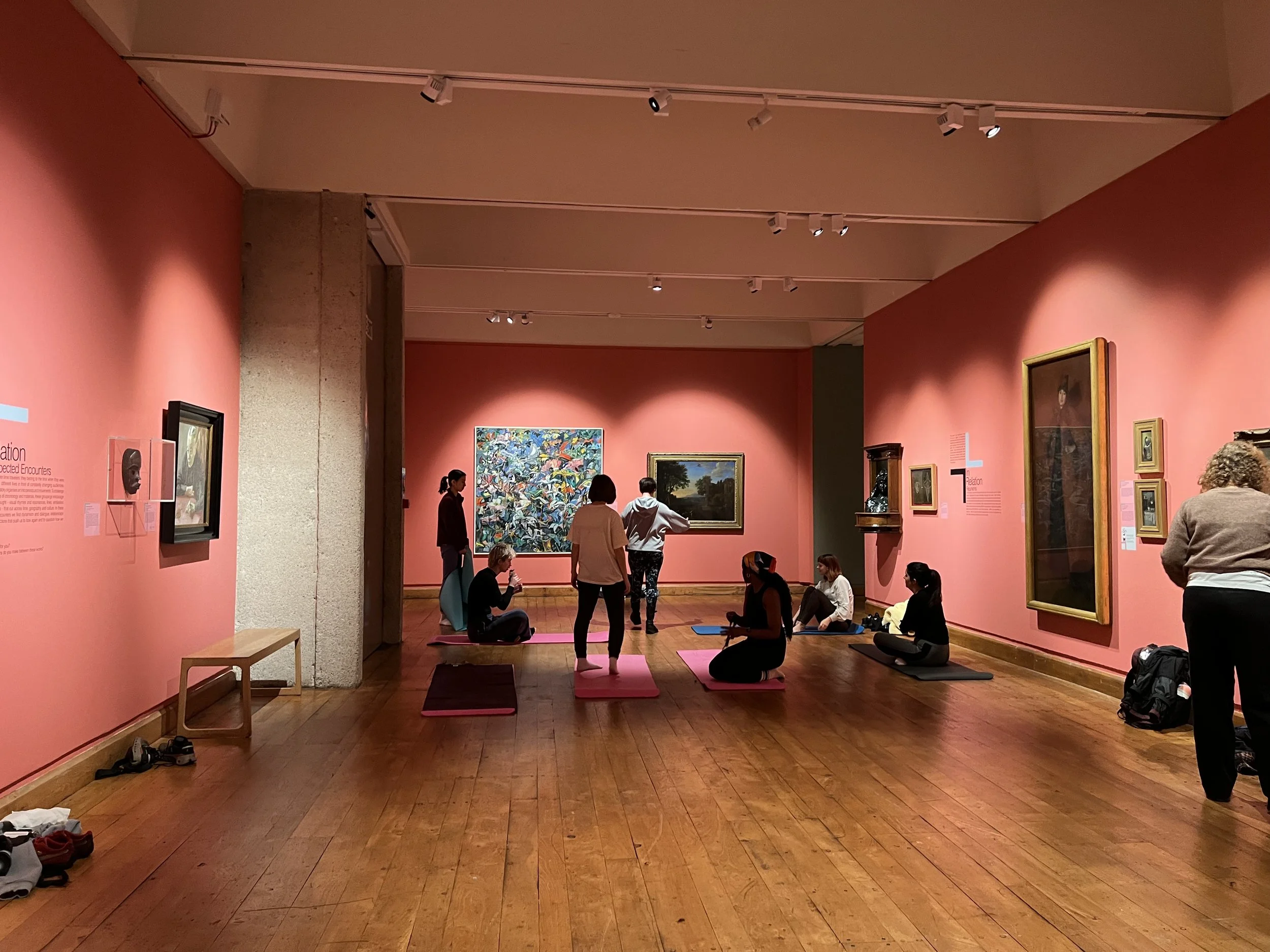
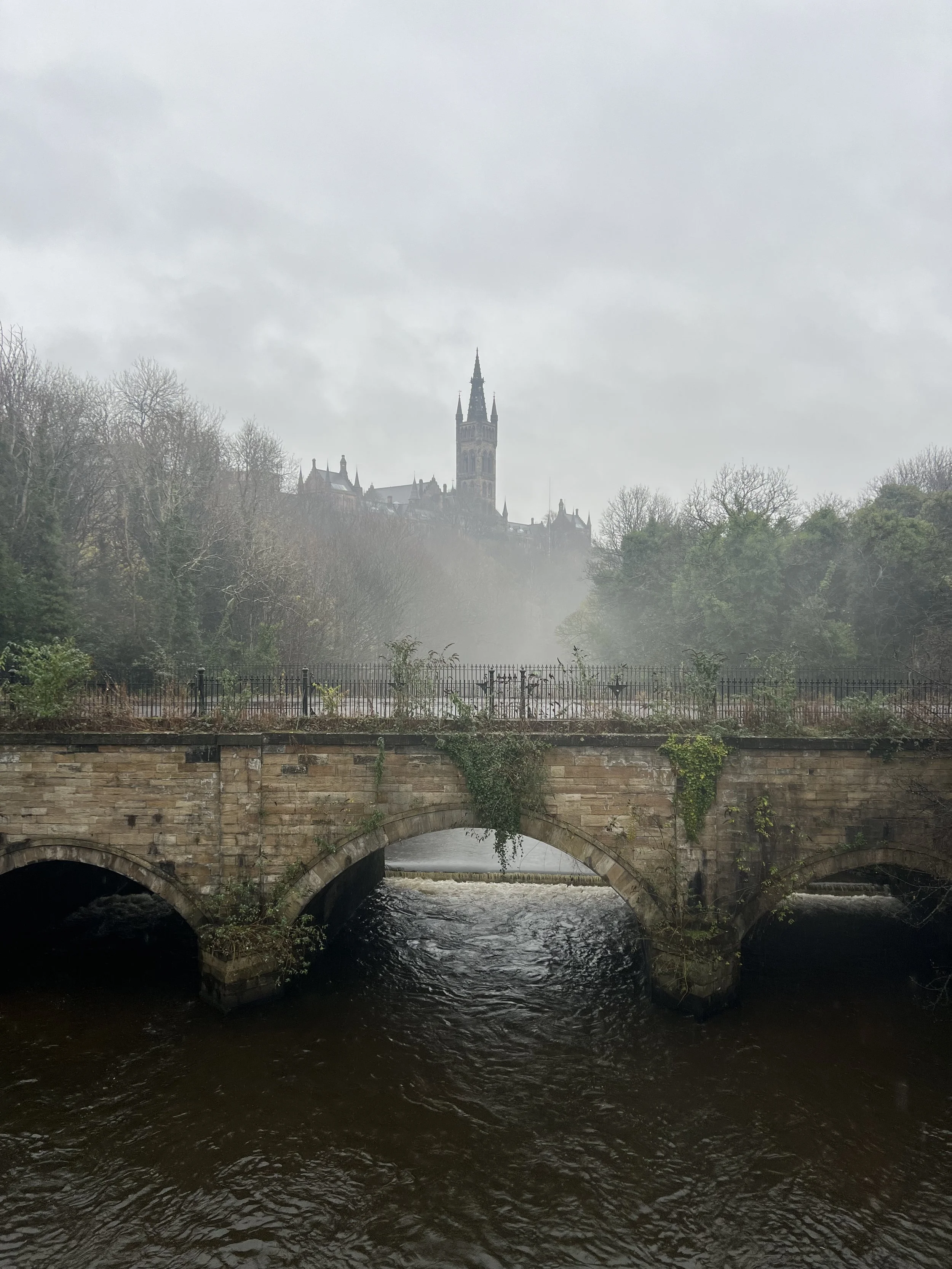
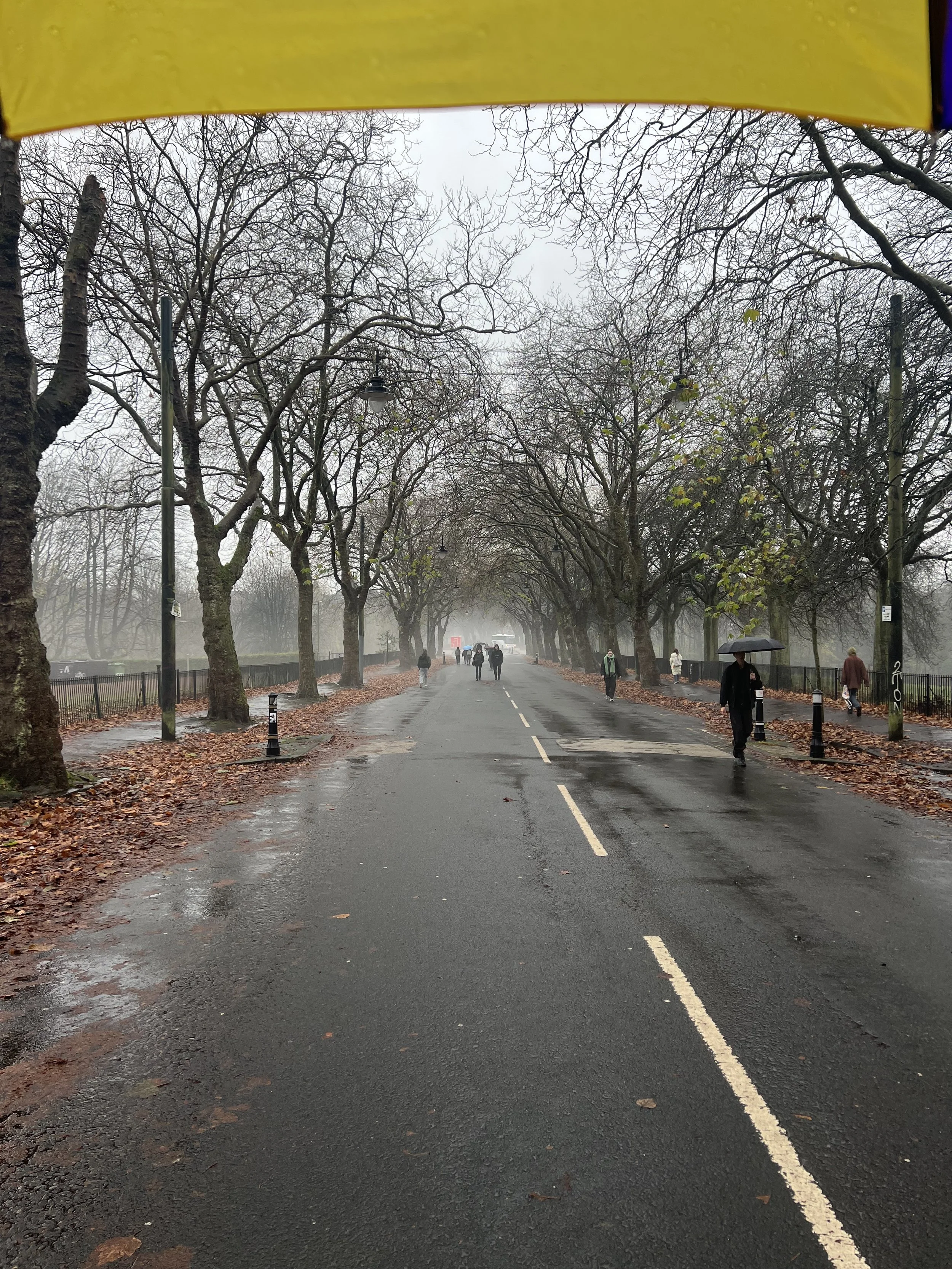
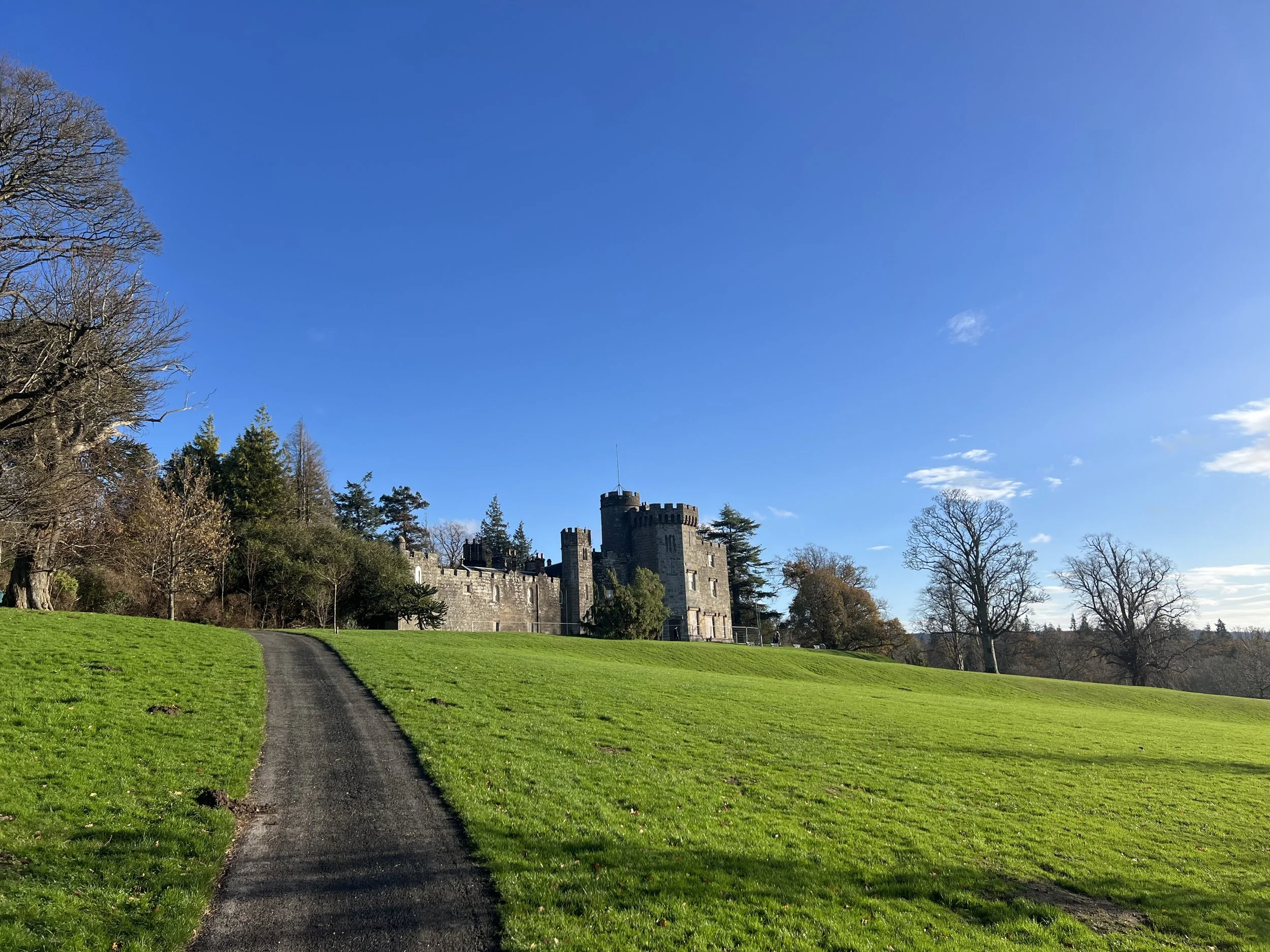
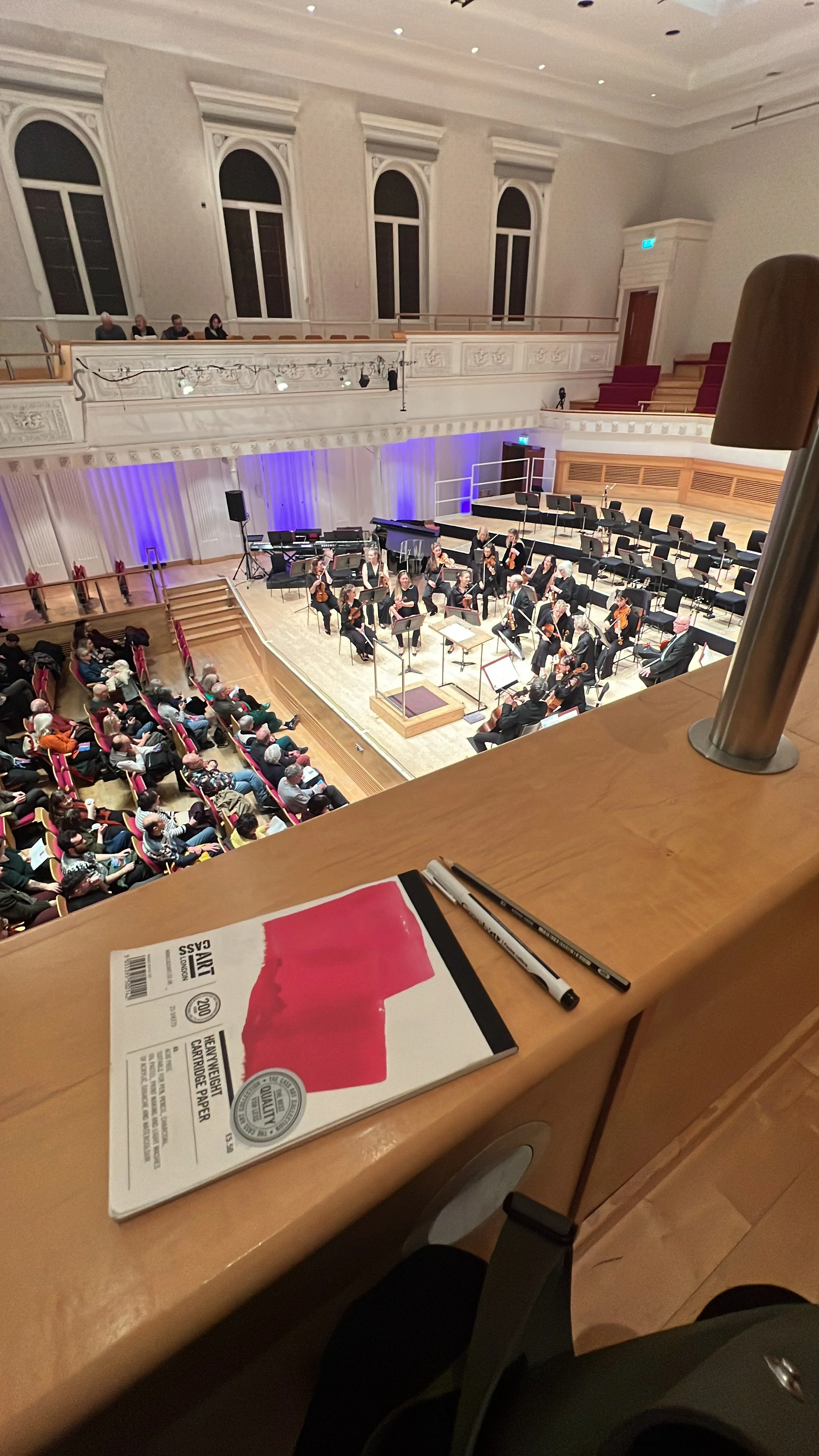
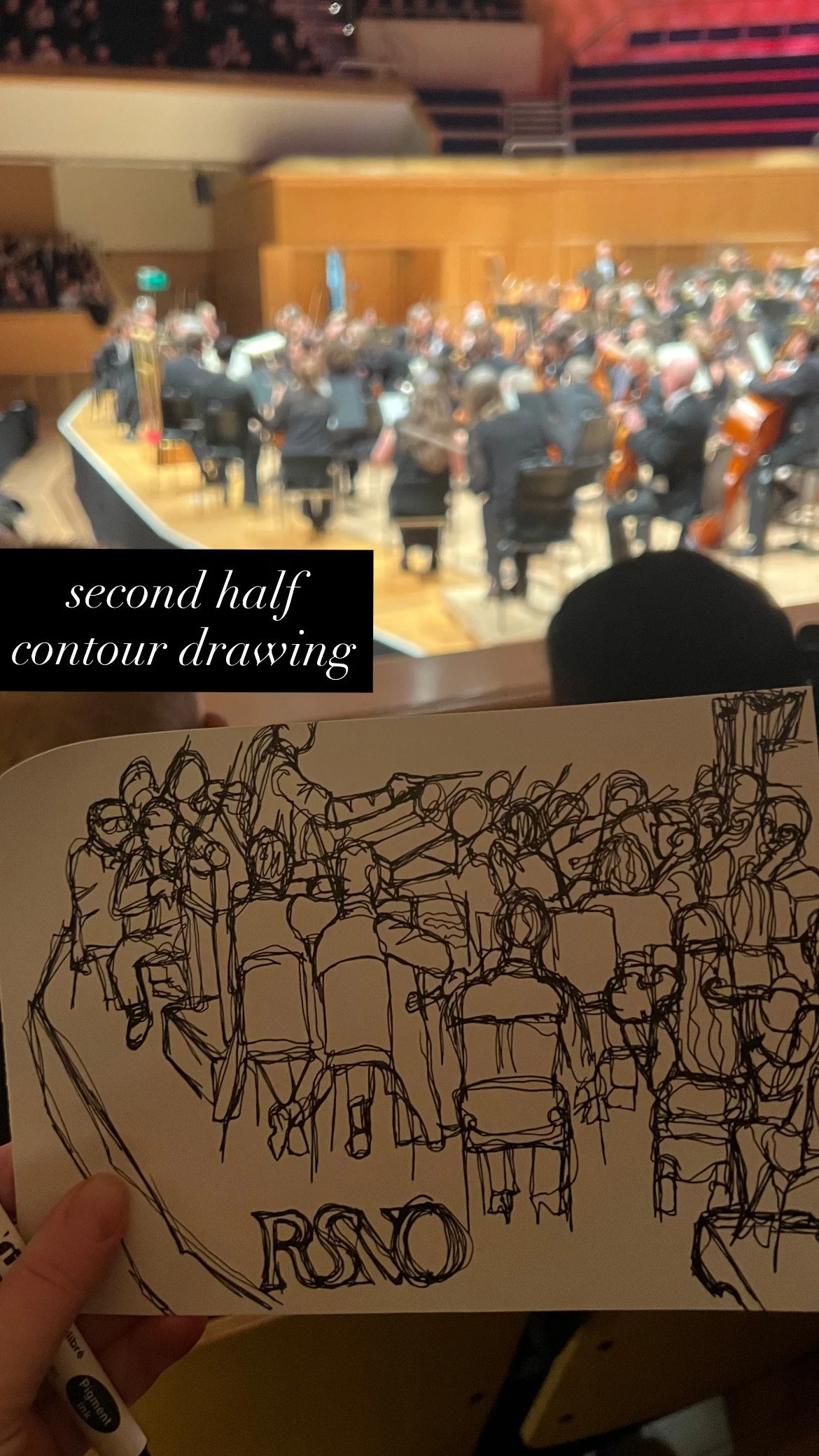
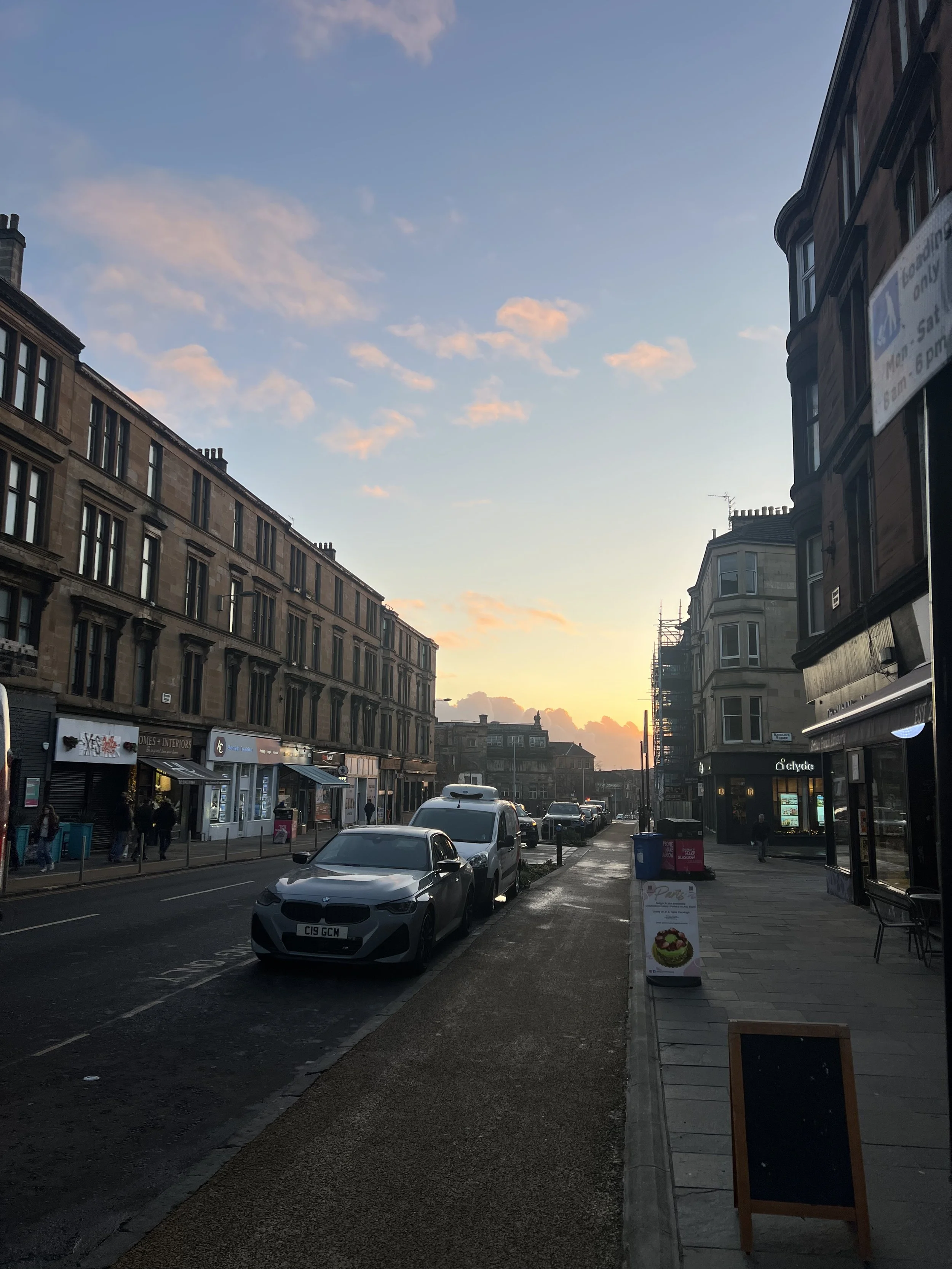
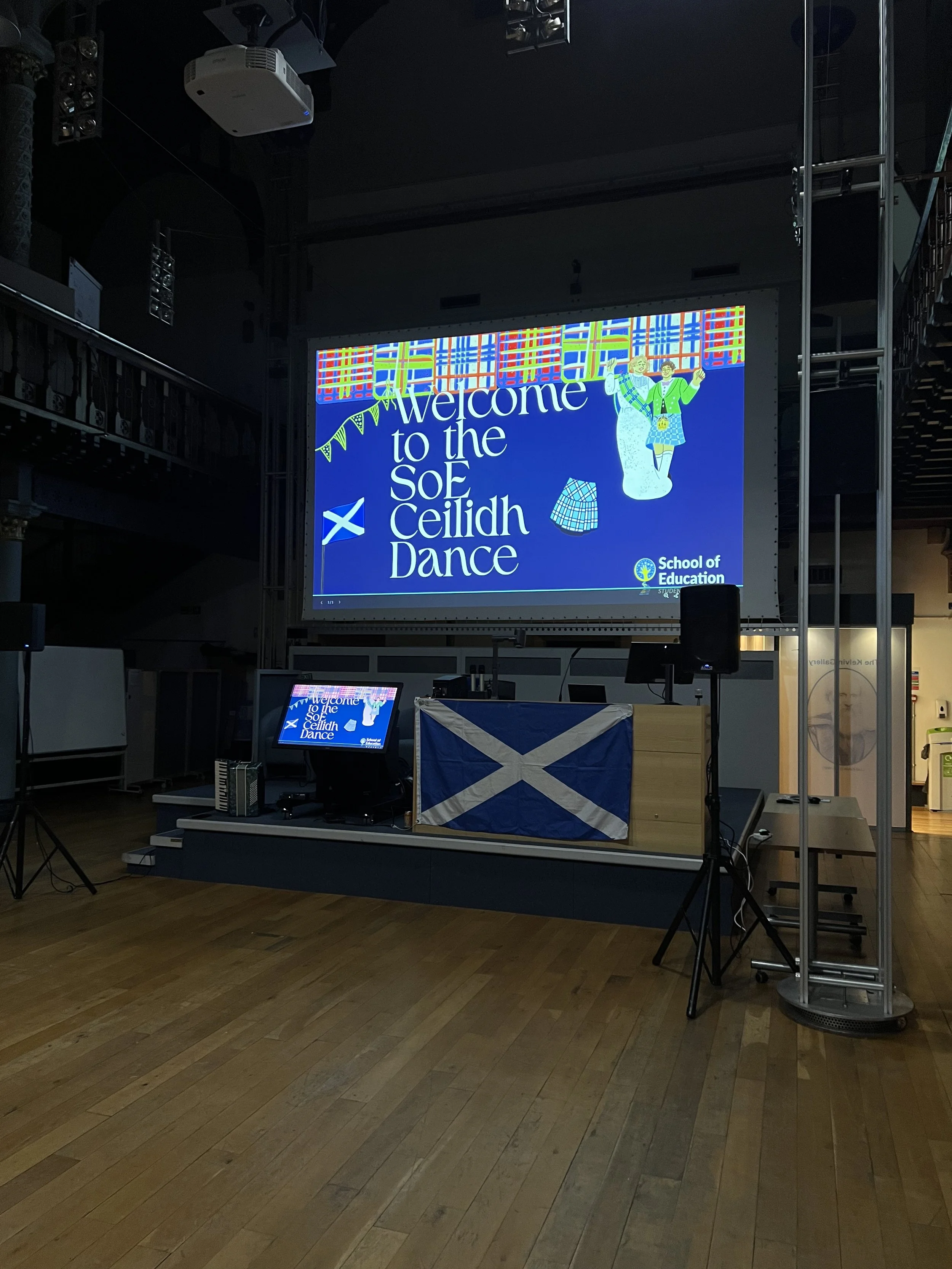
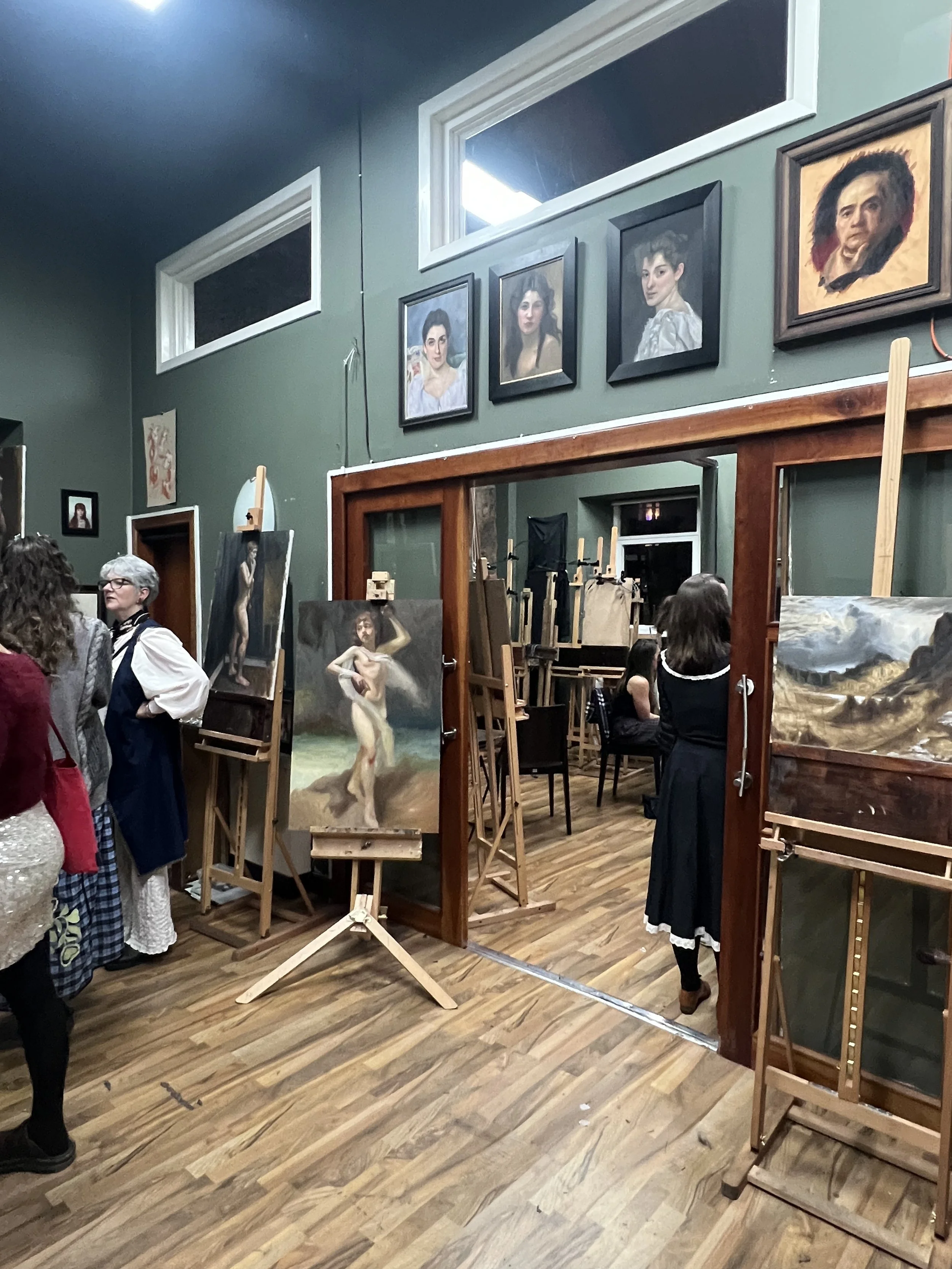
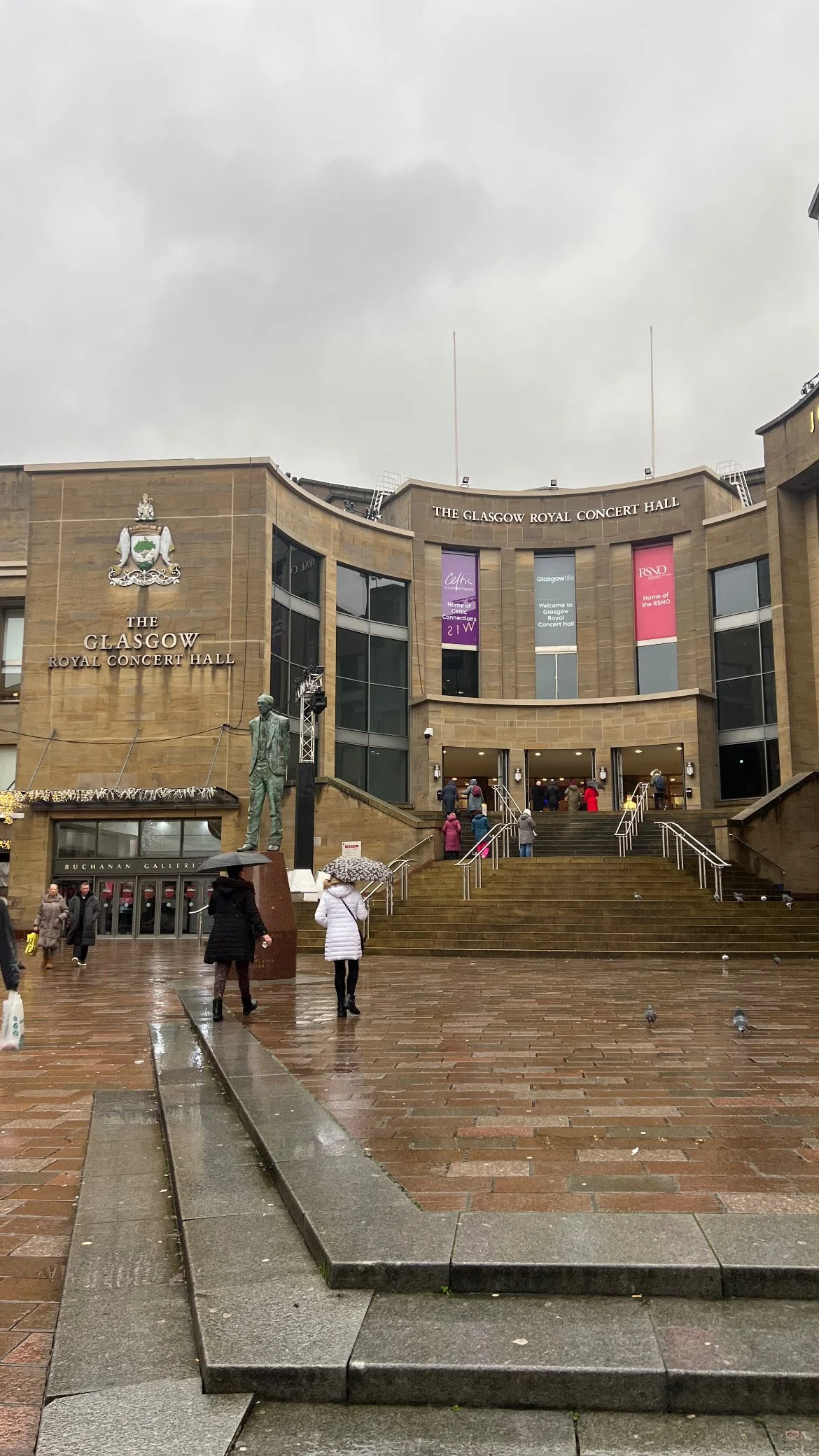
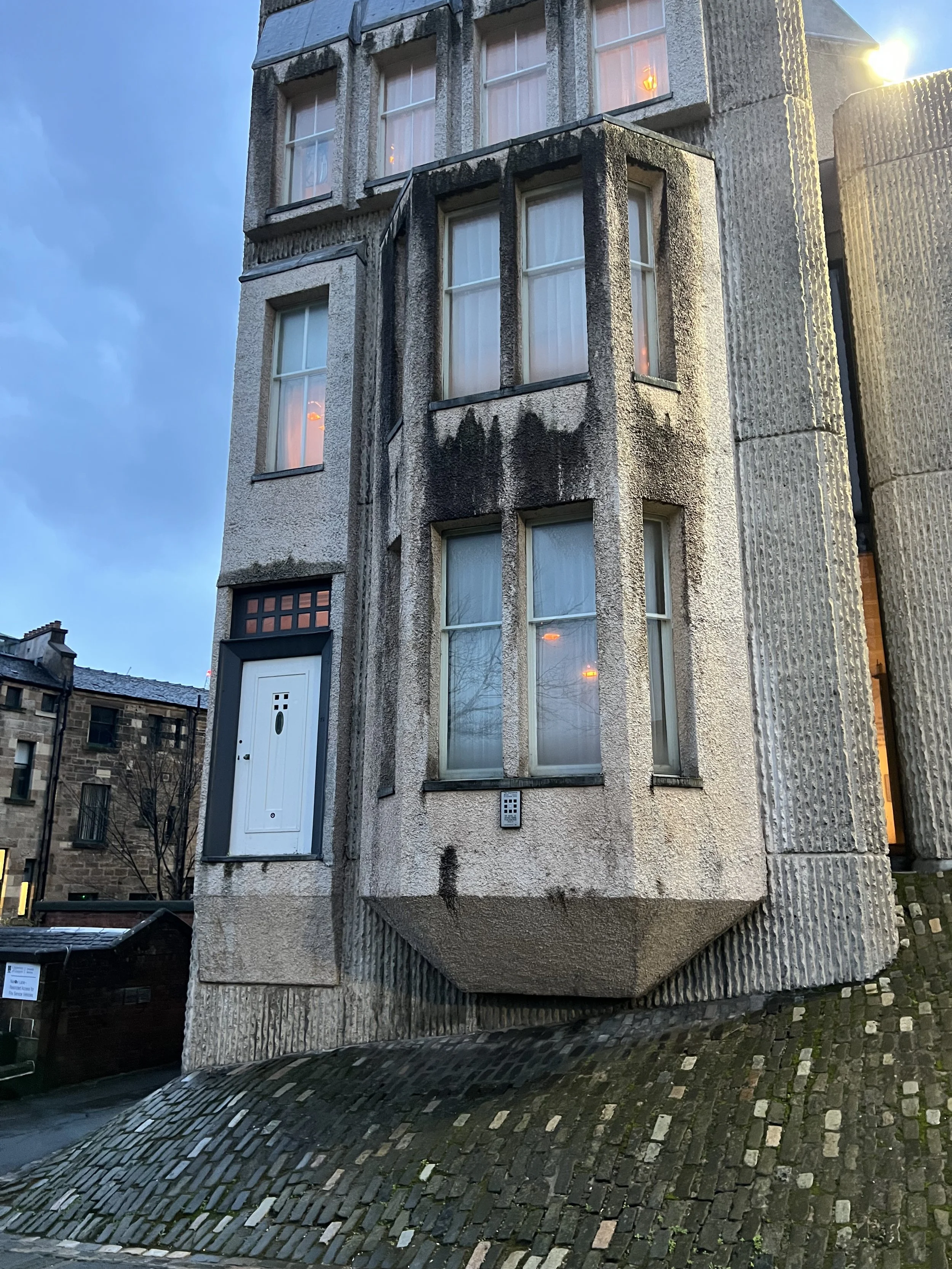
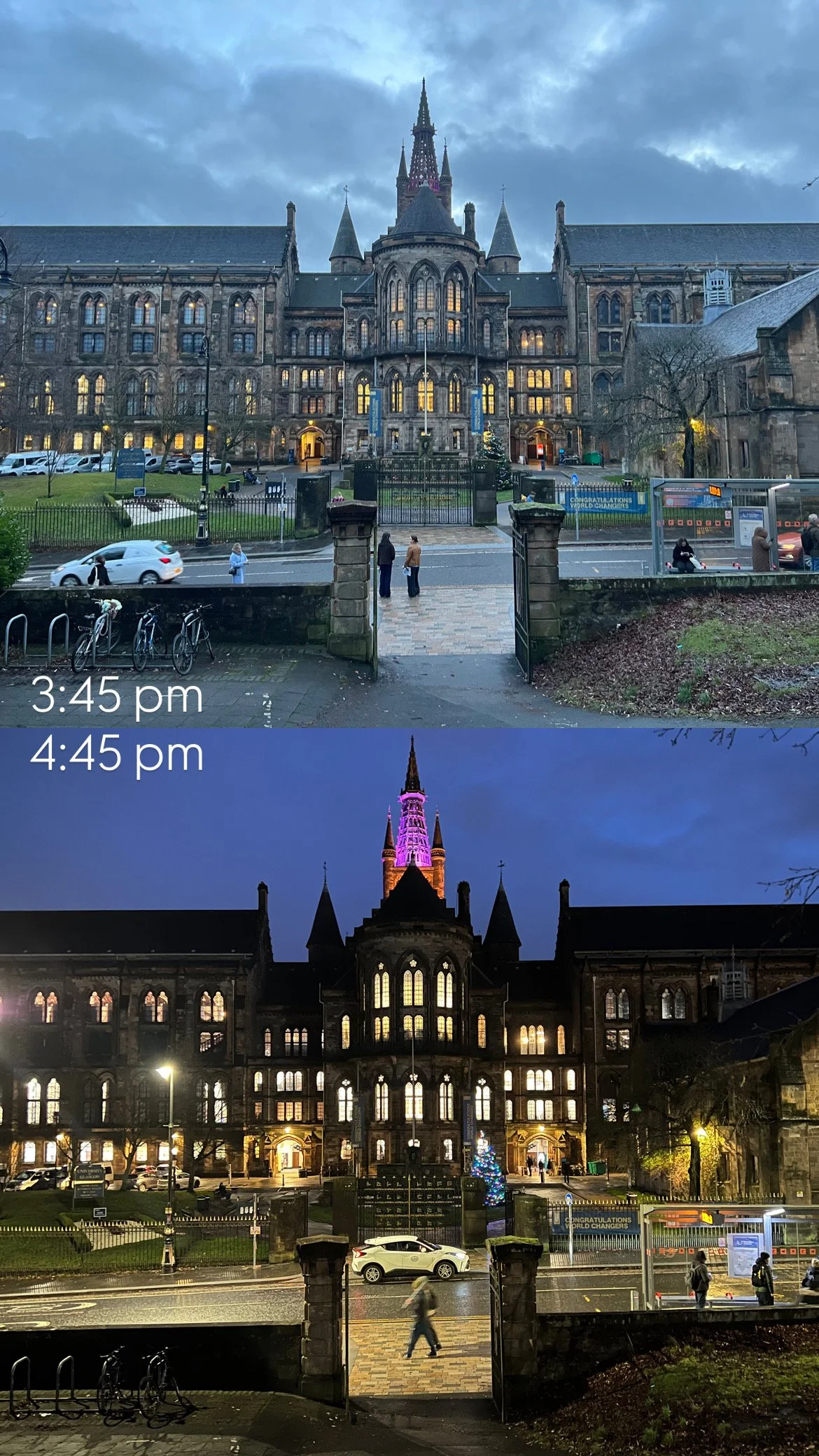
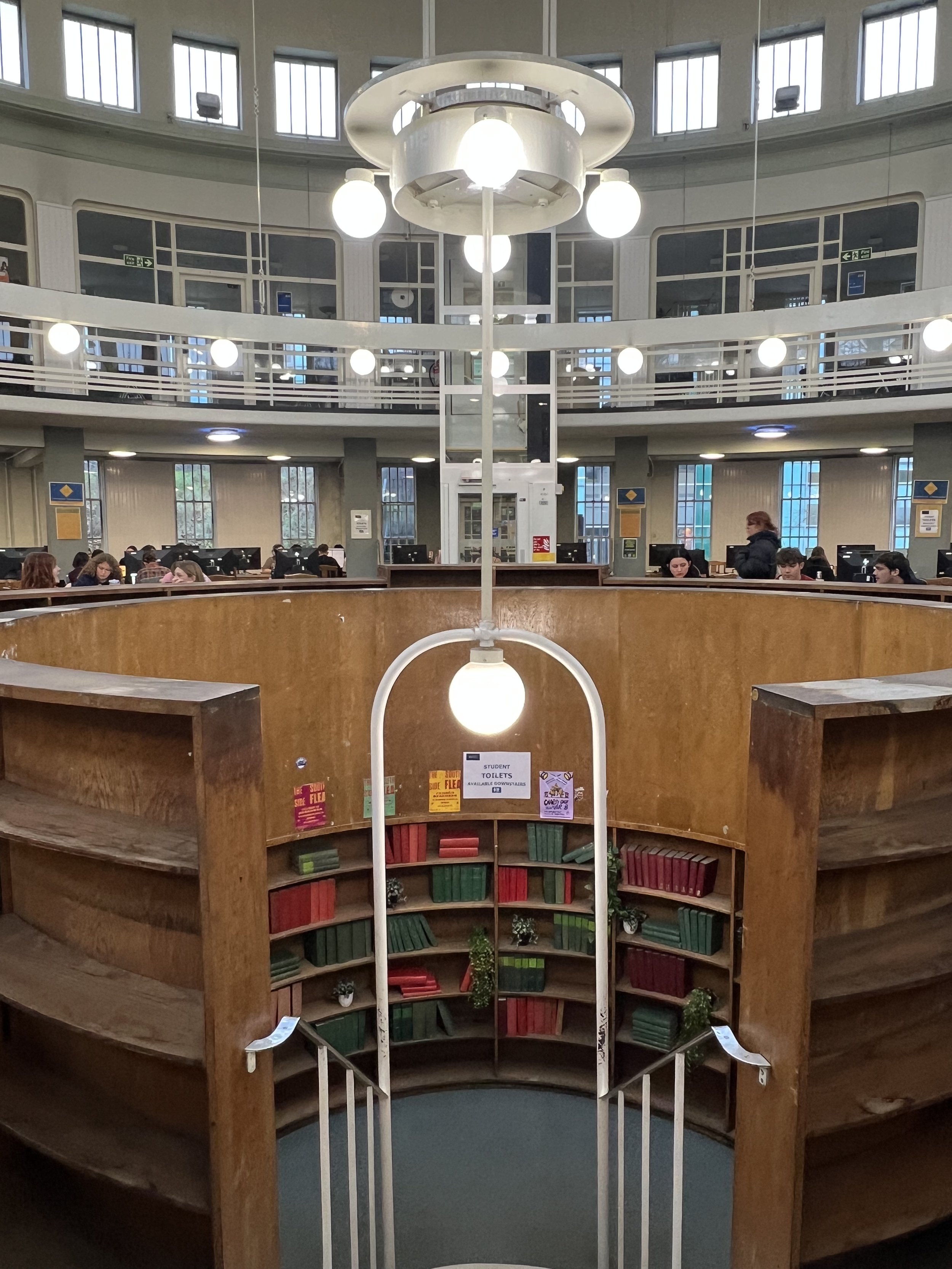
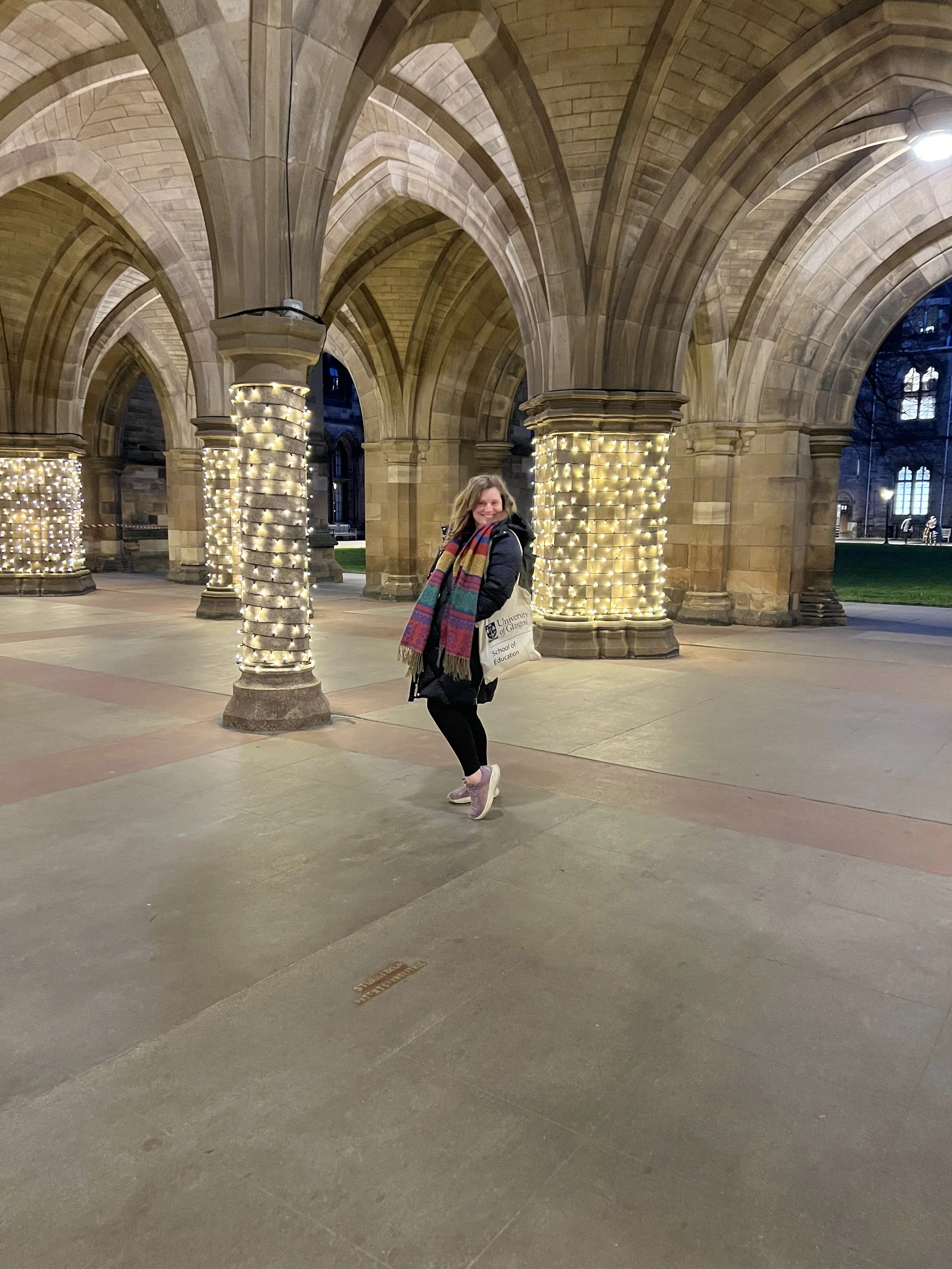
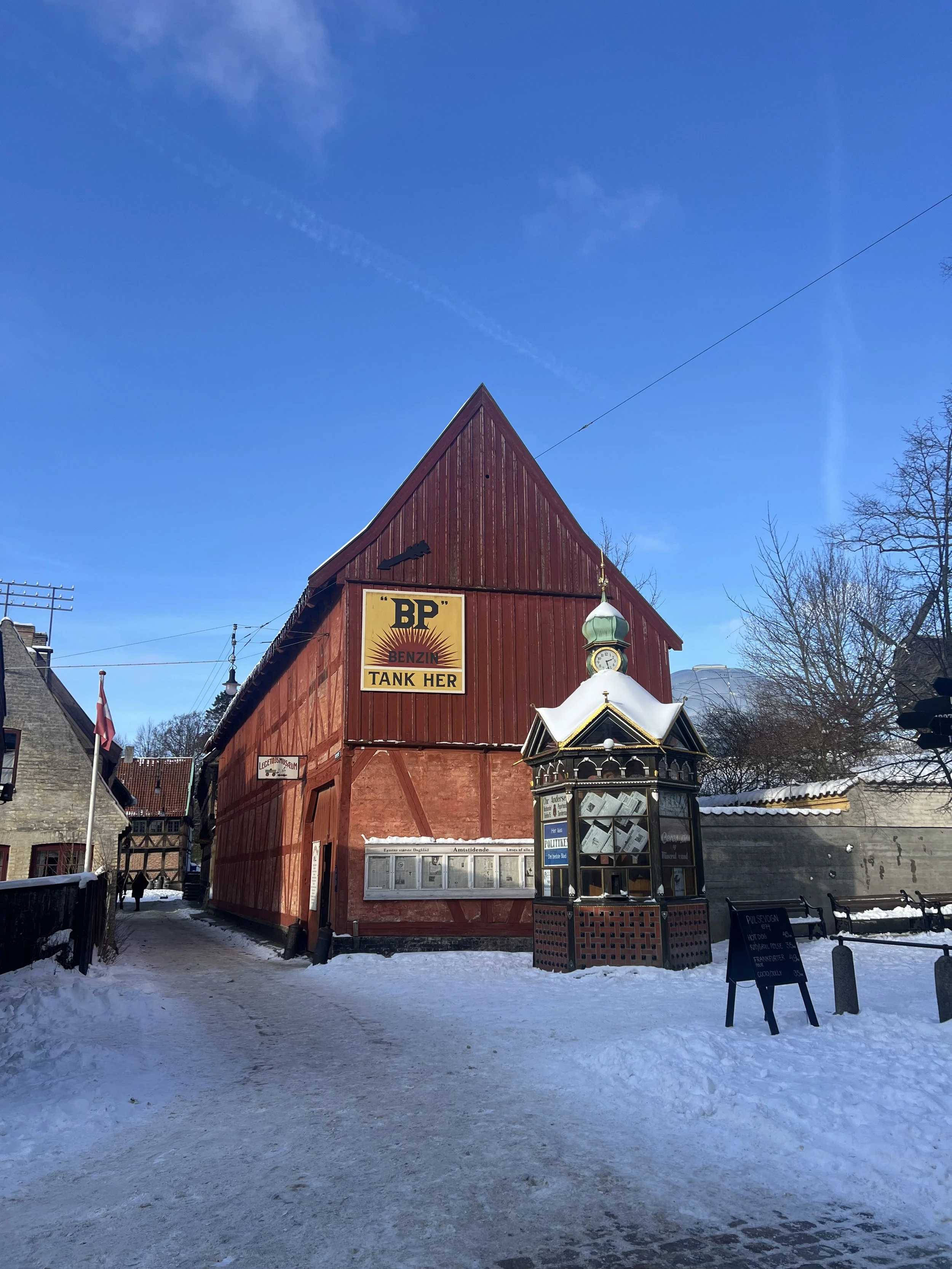
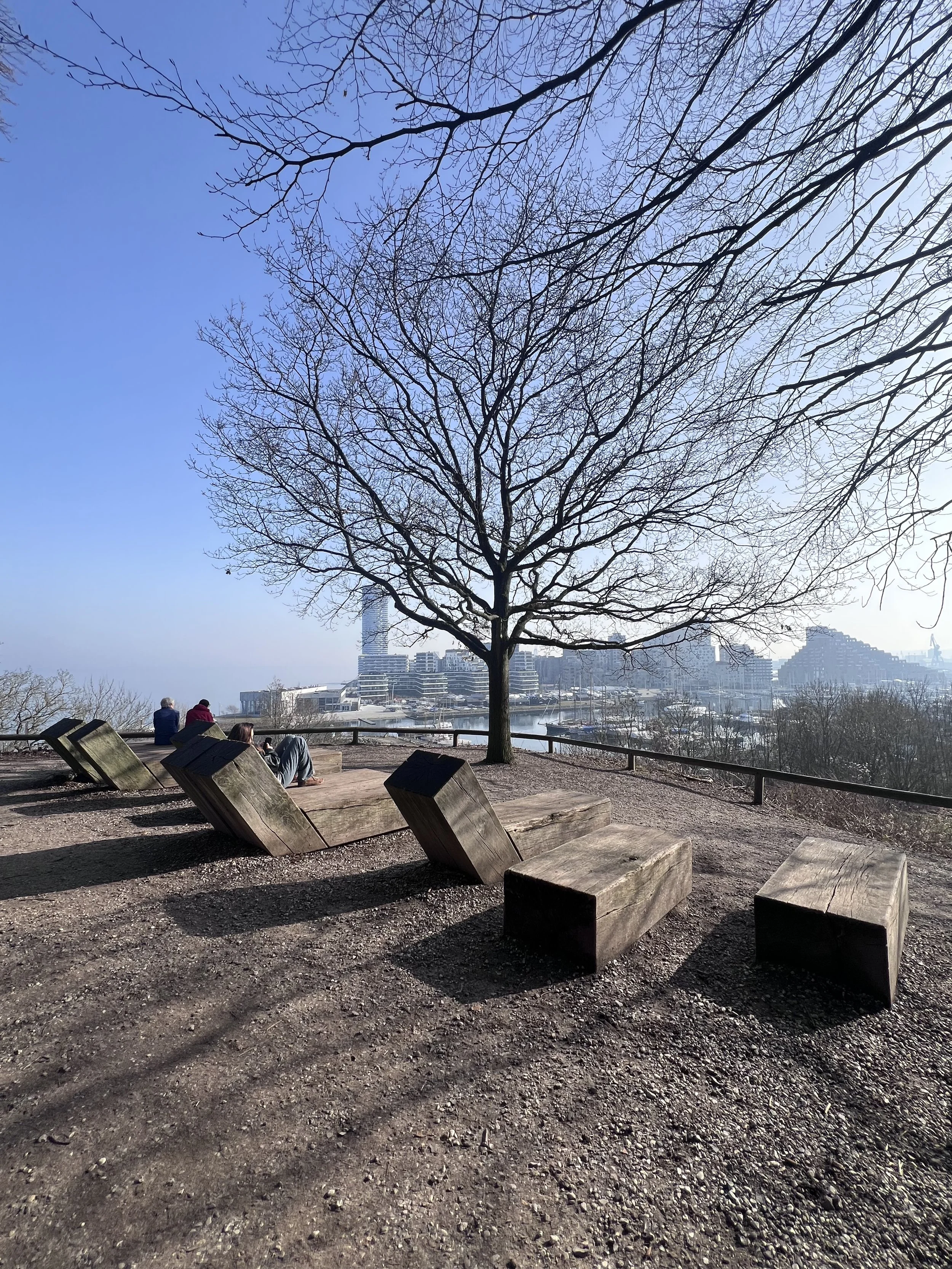
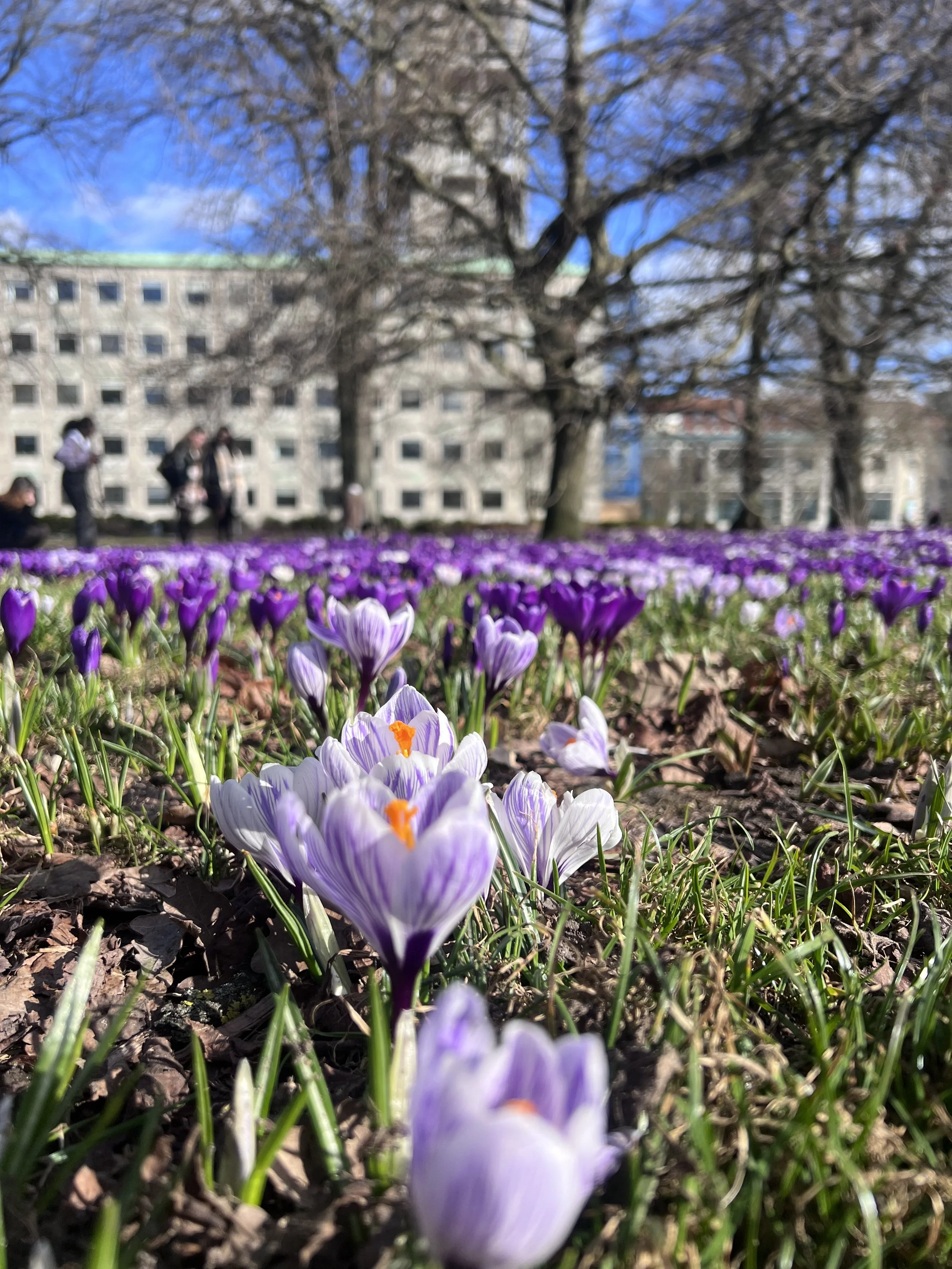
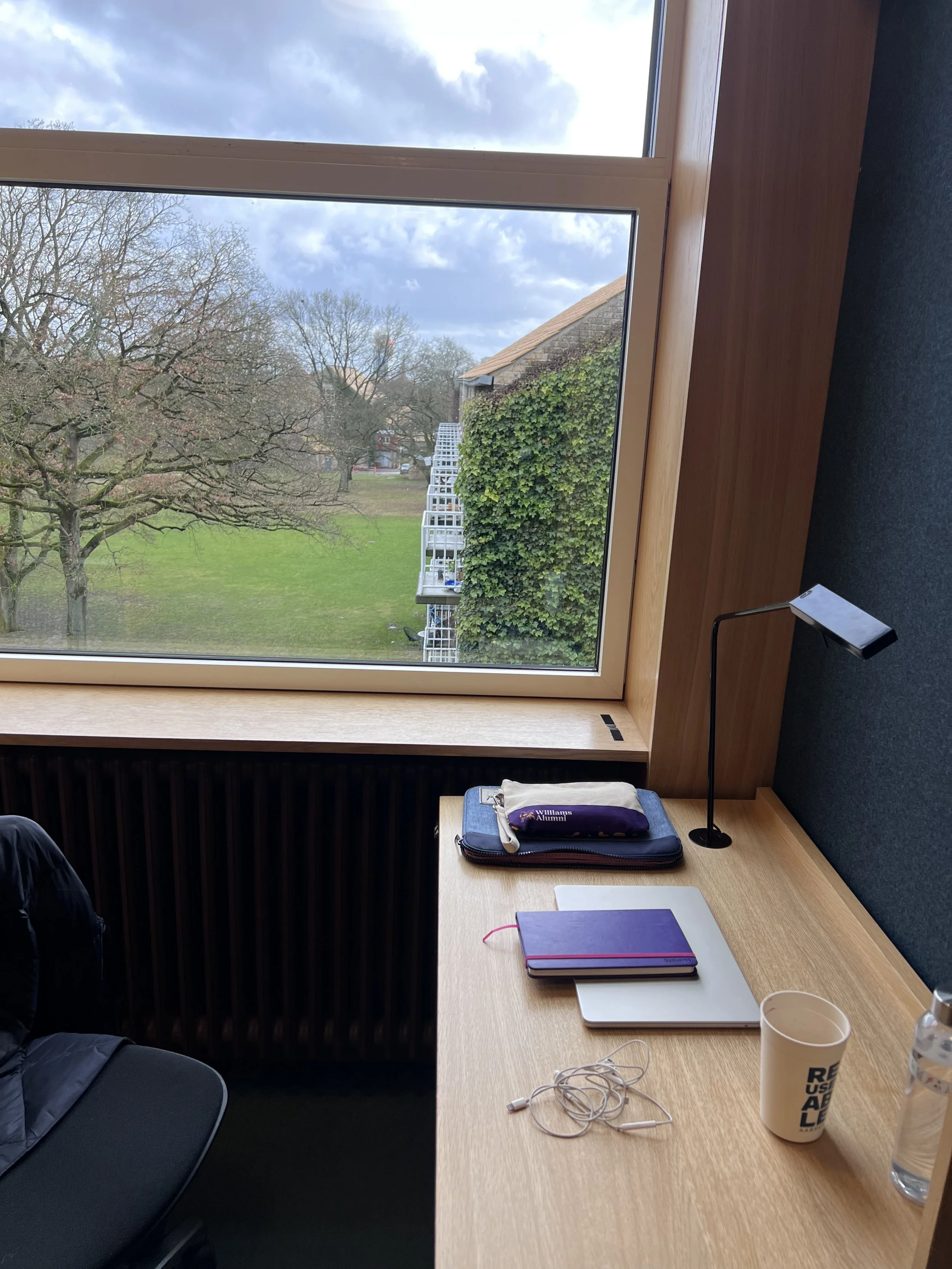
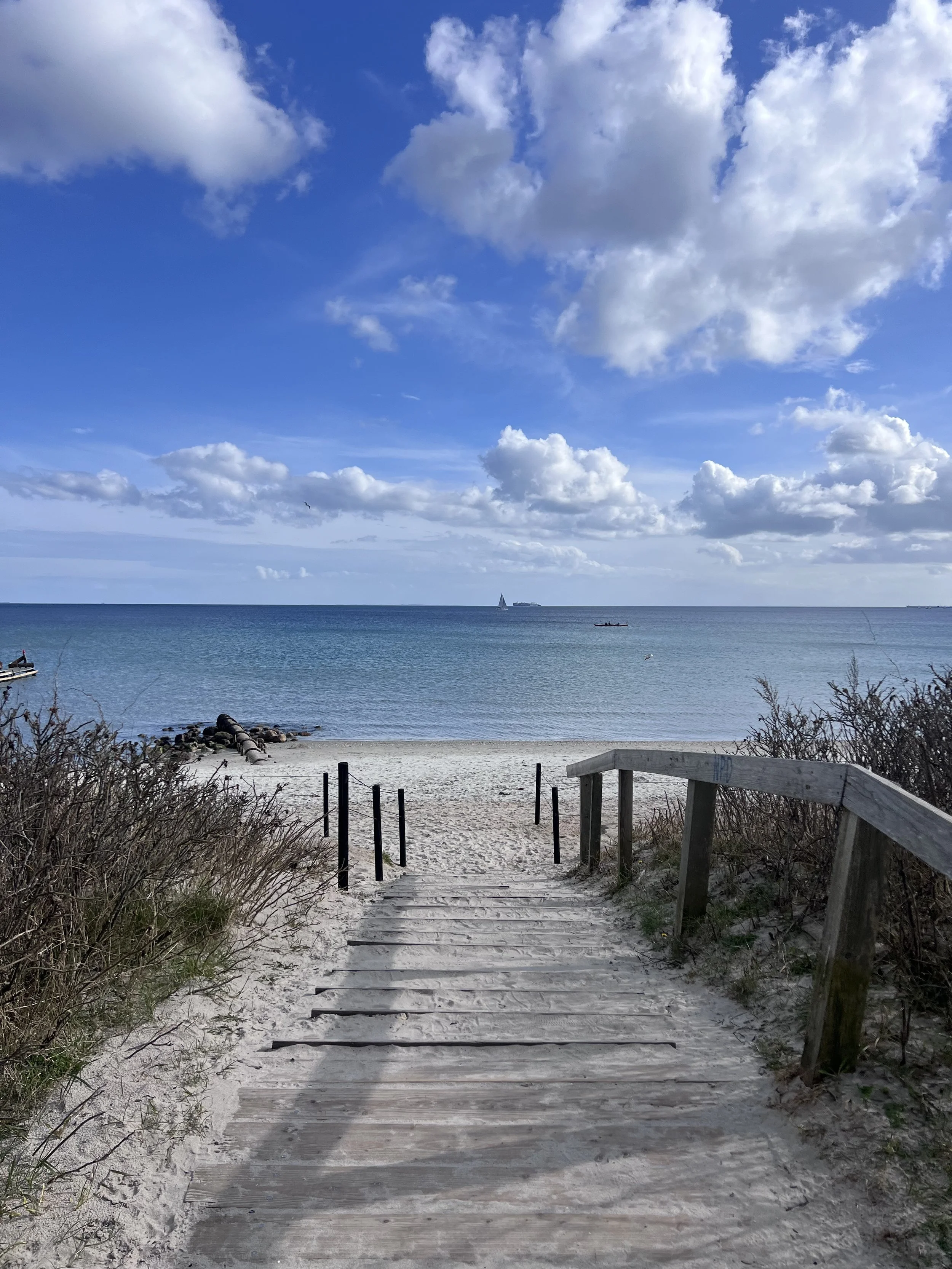
An assortment of photos from Scotland:






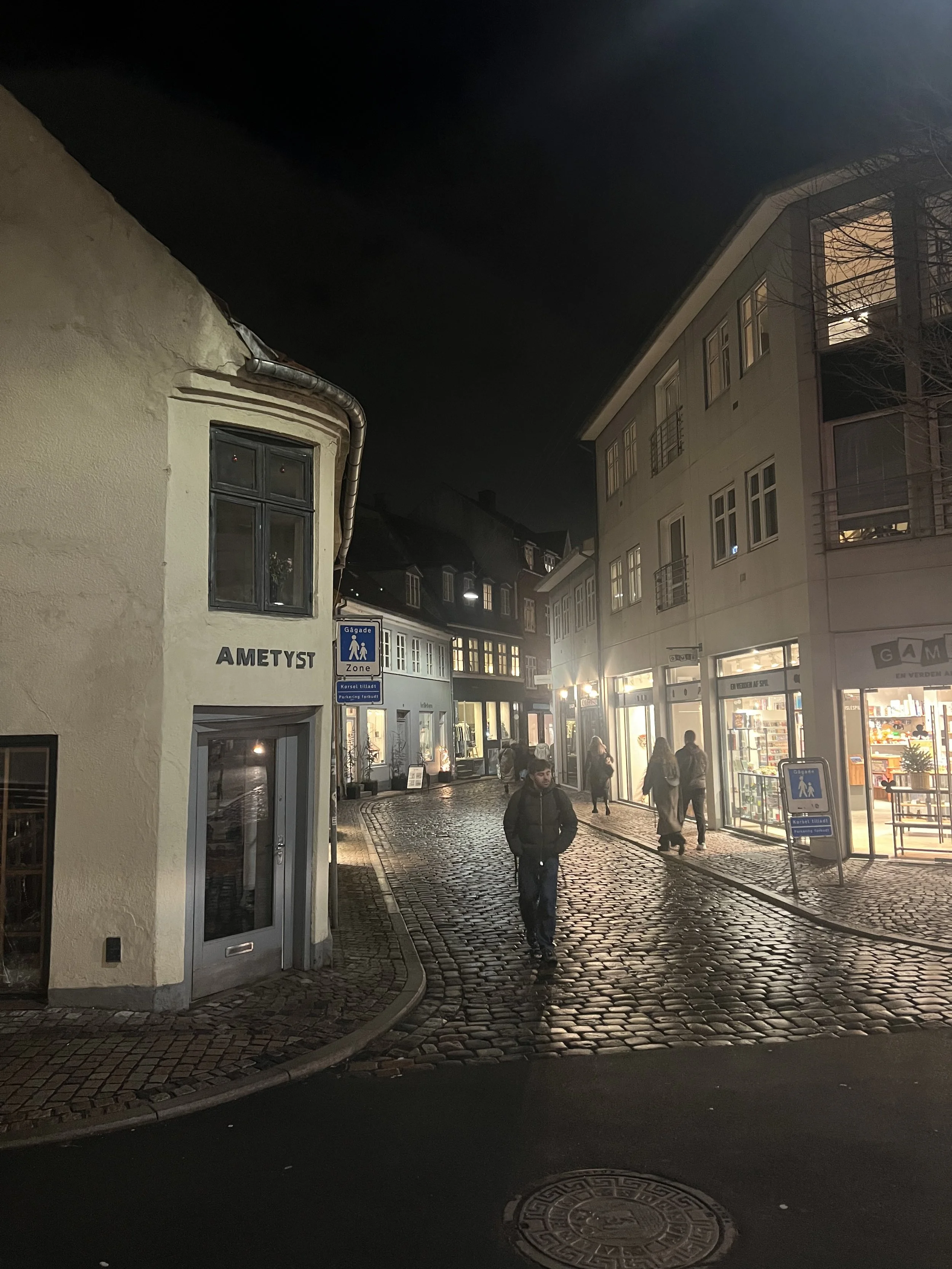
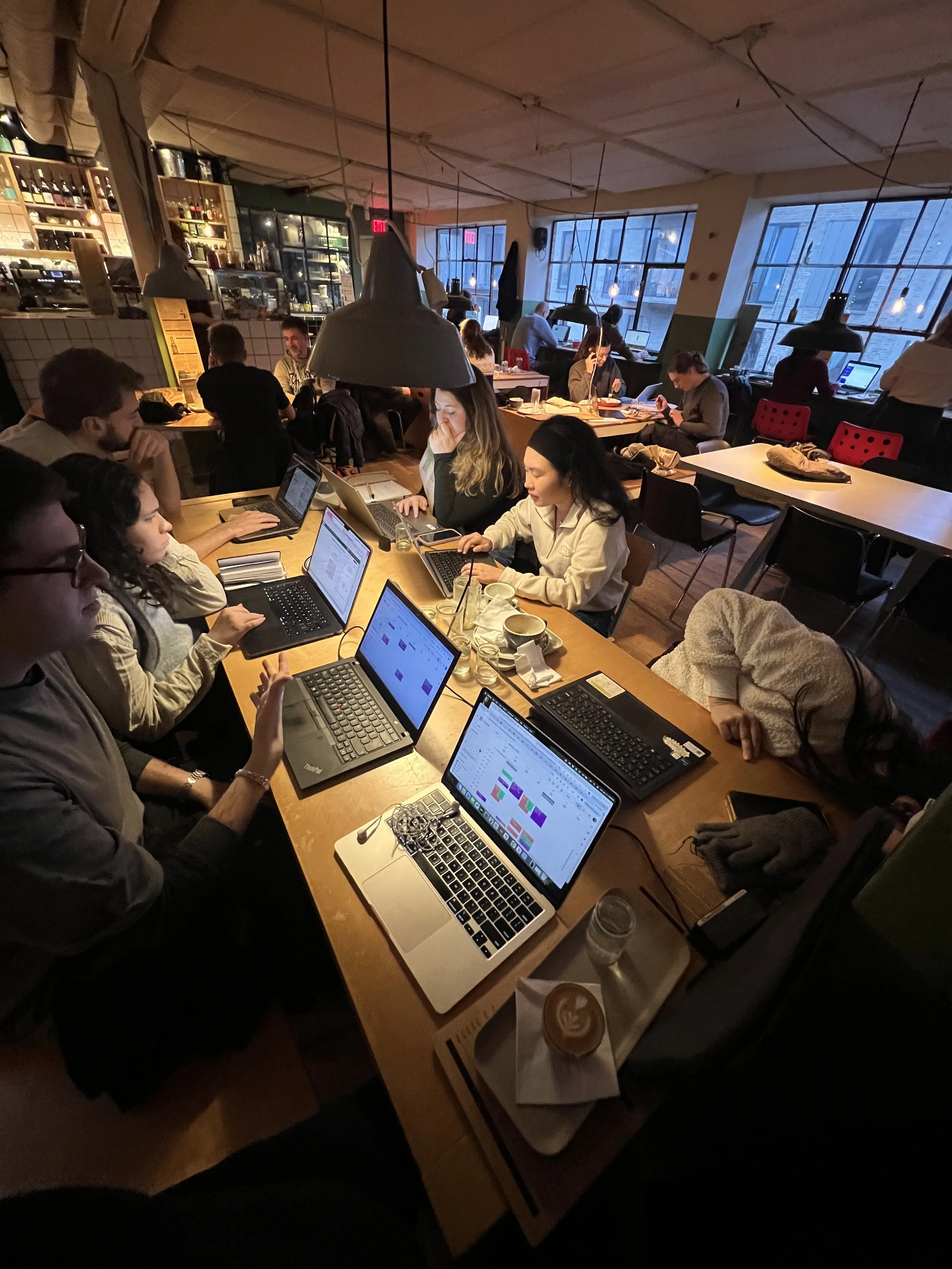
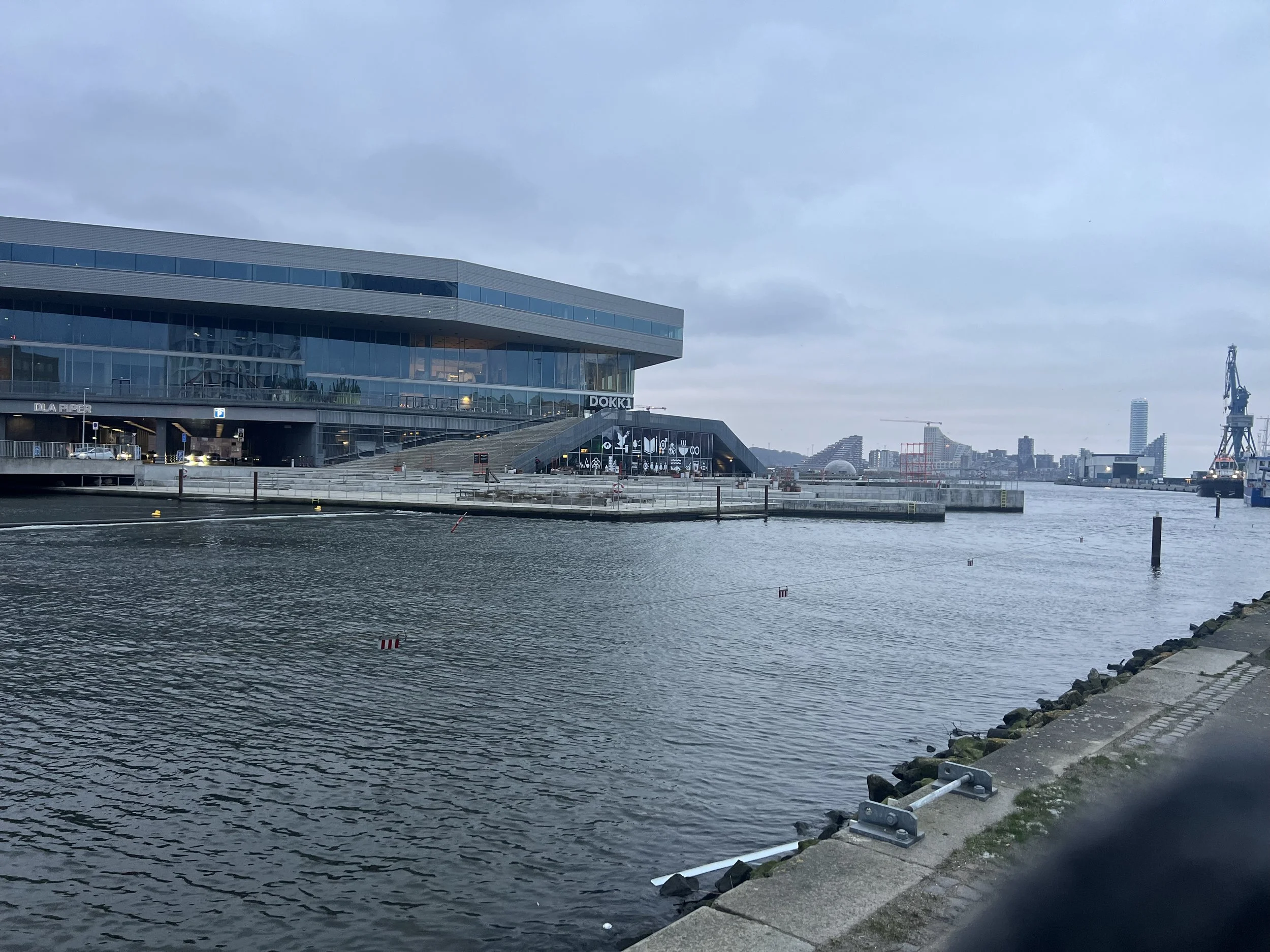
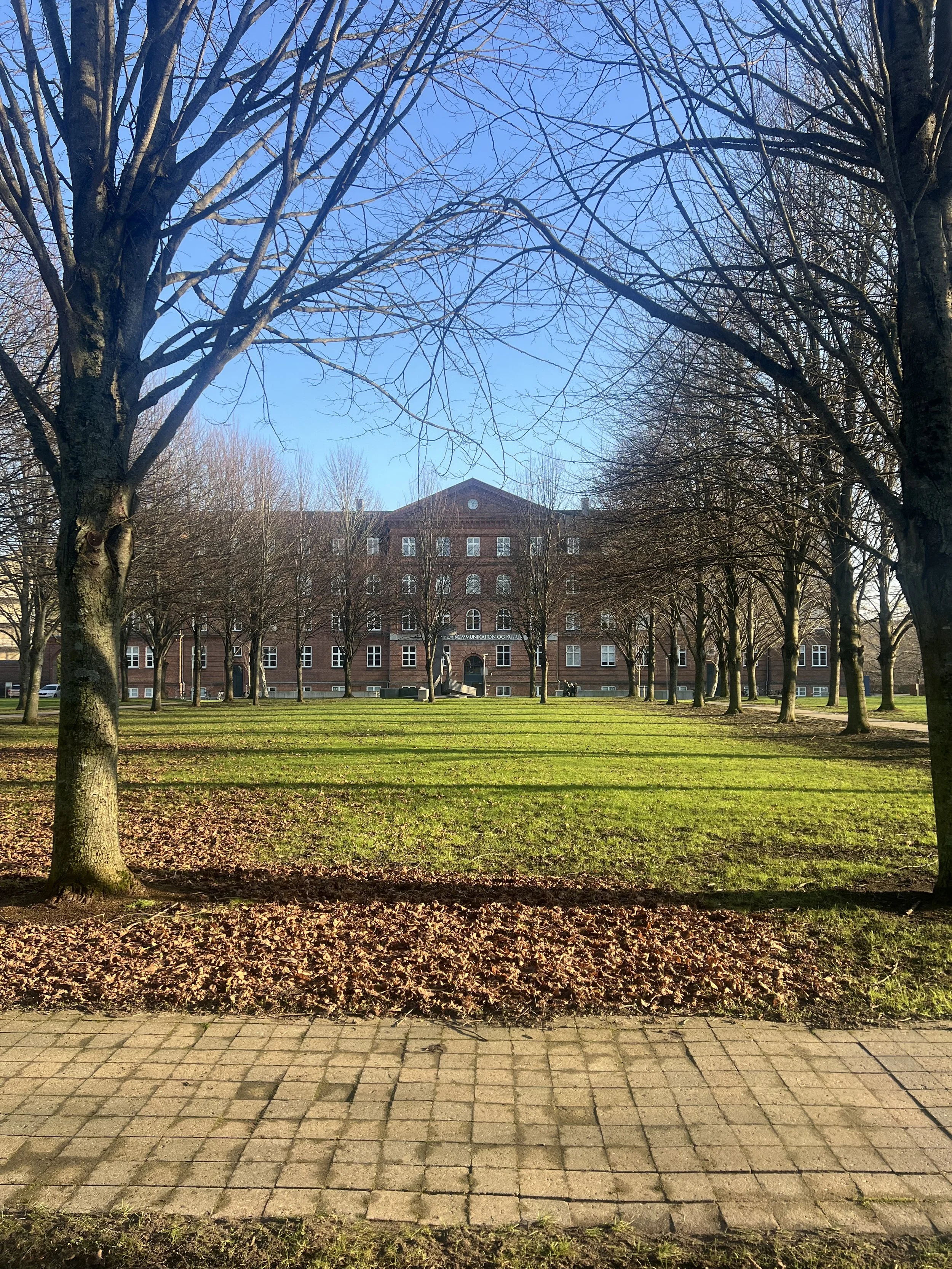
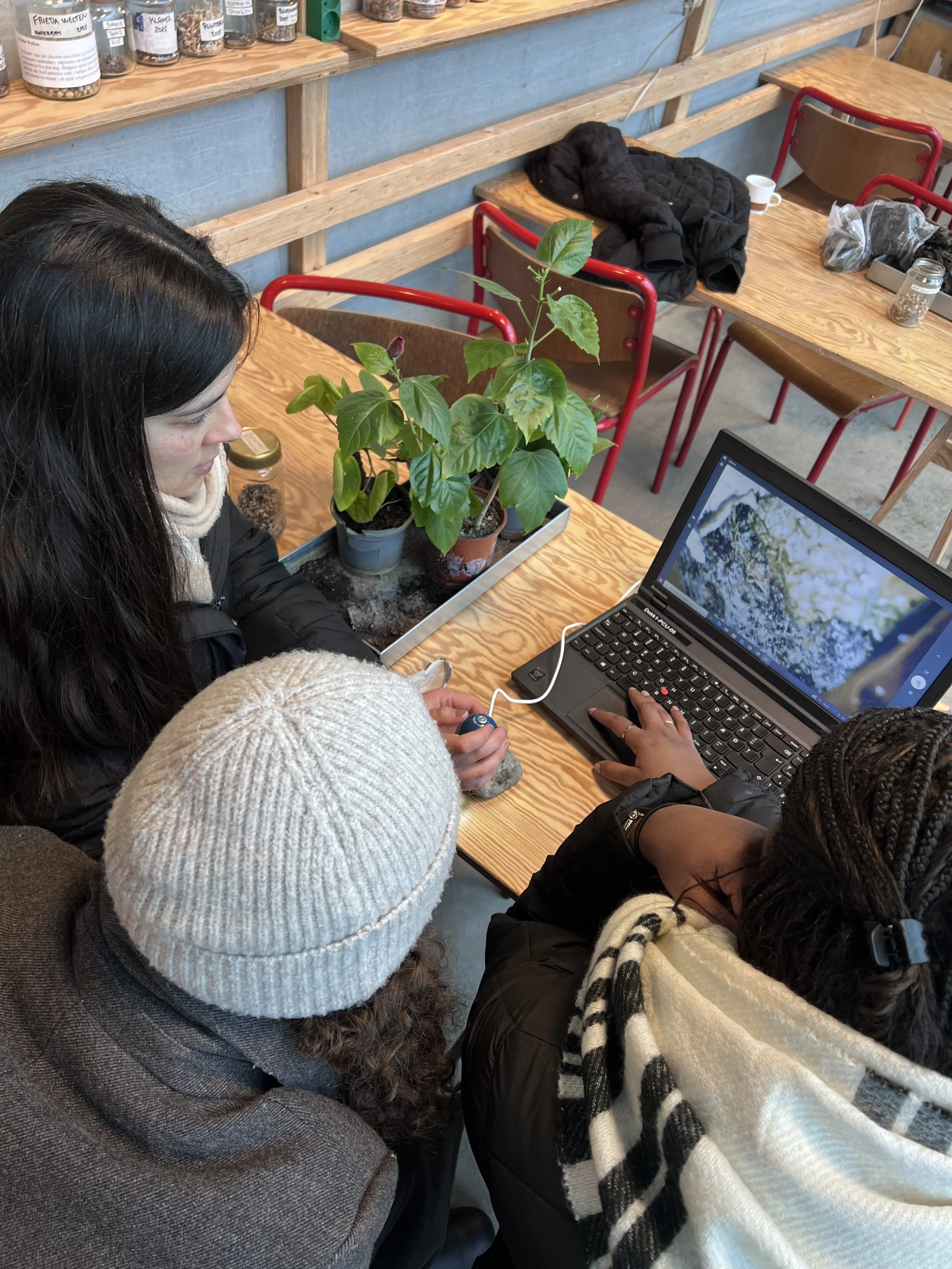
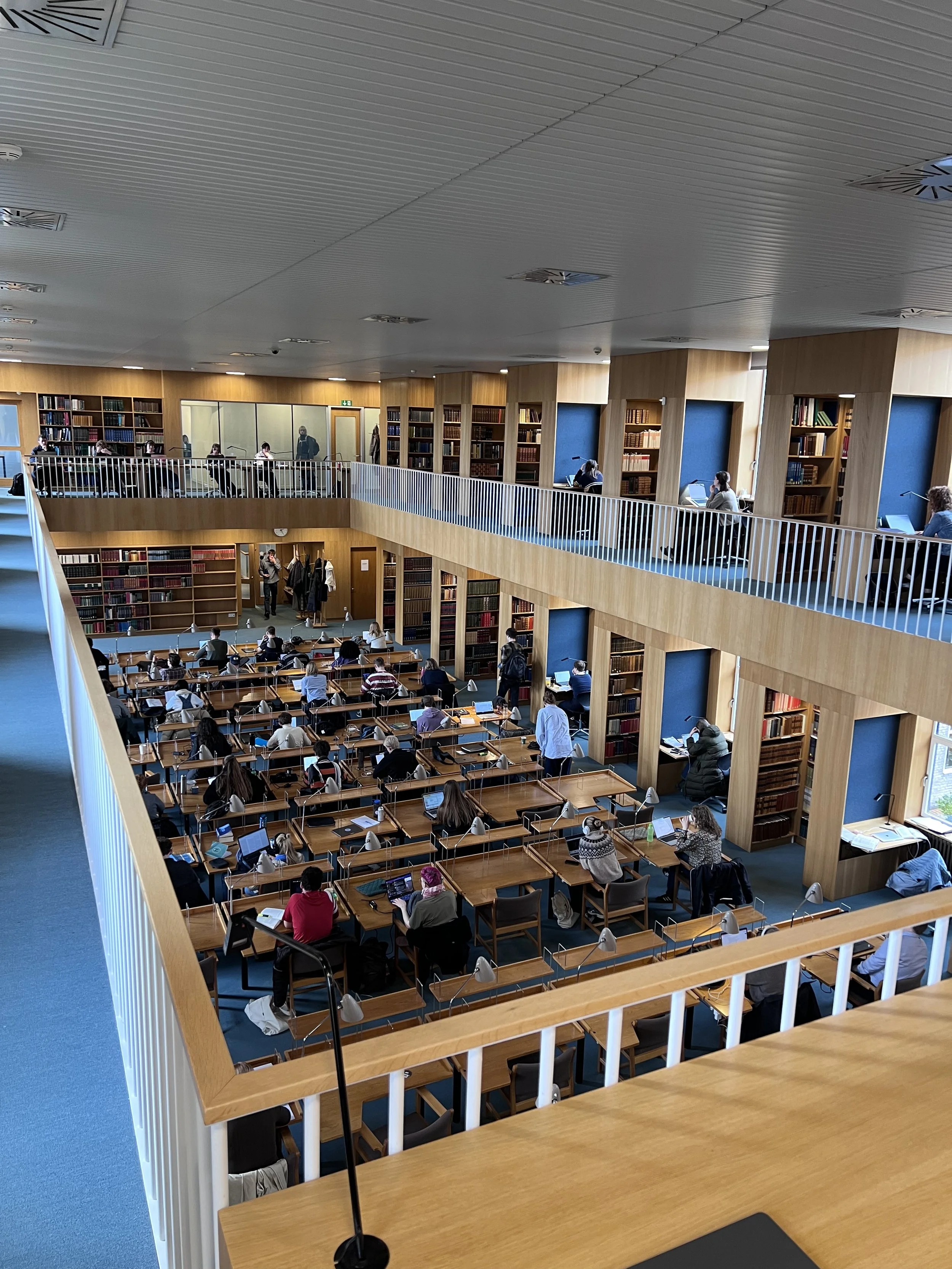
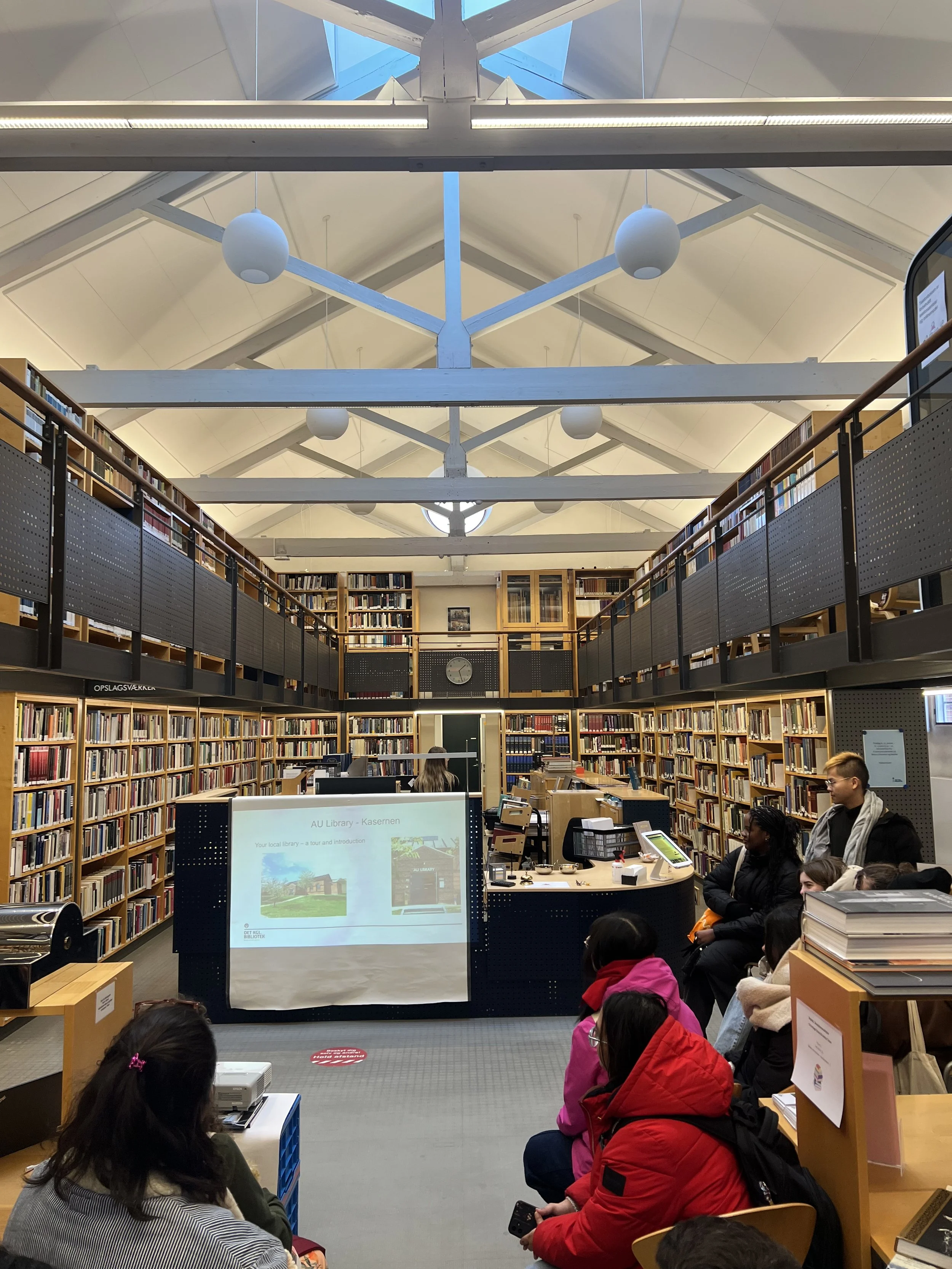
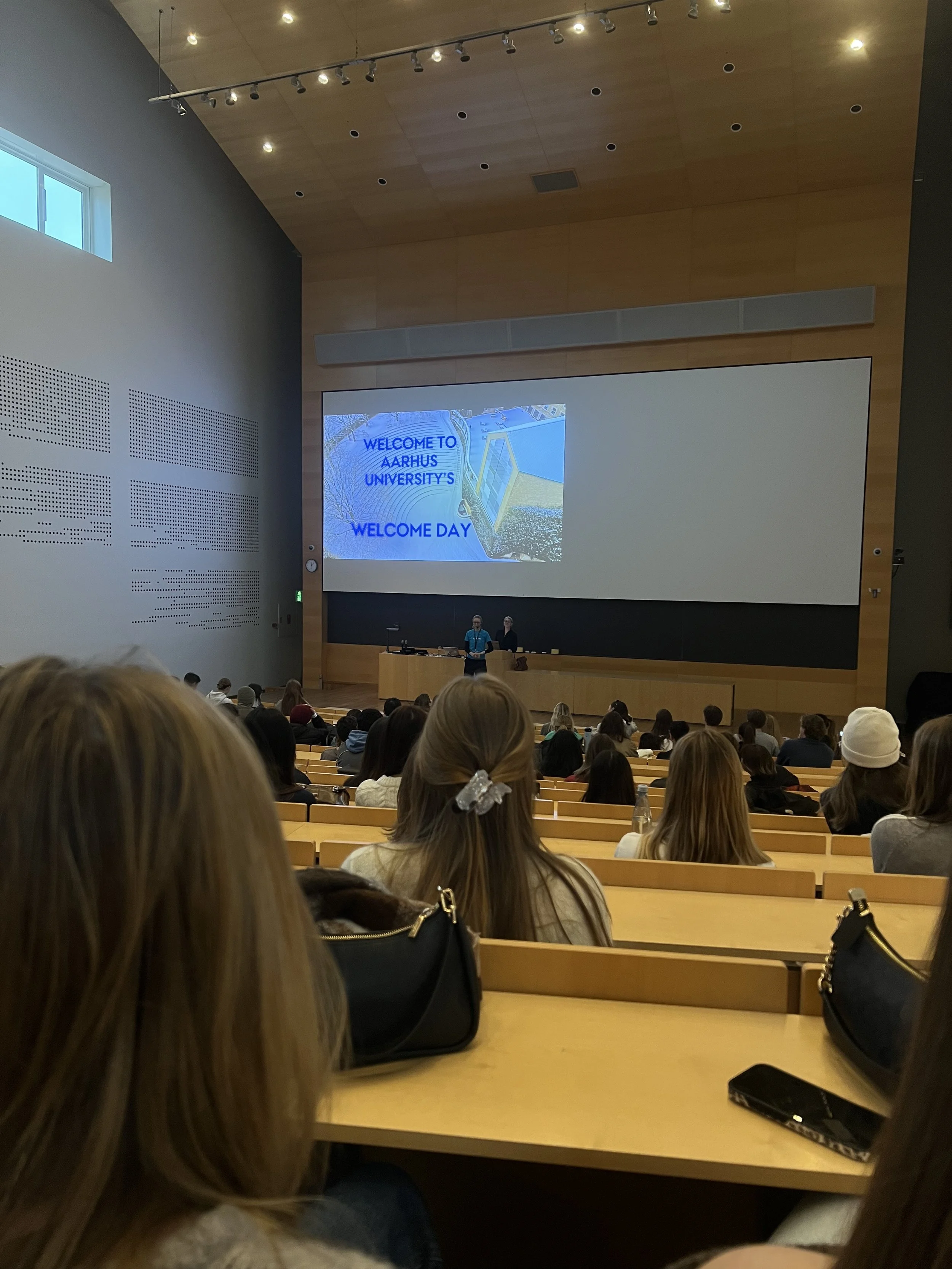
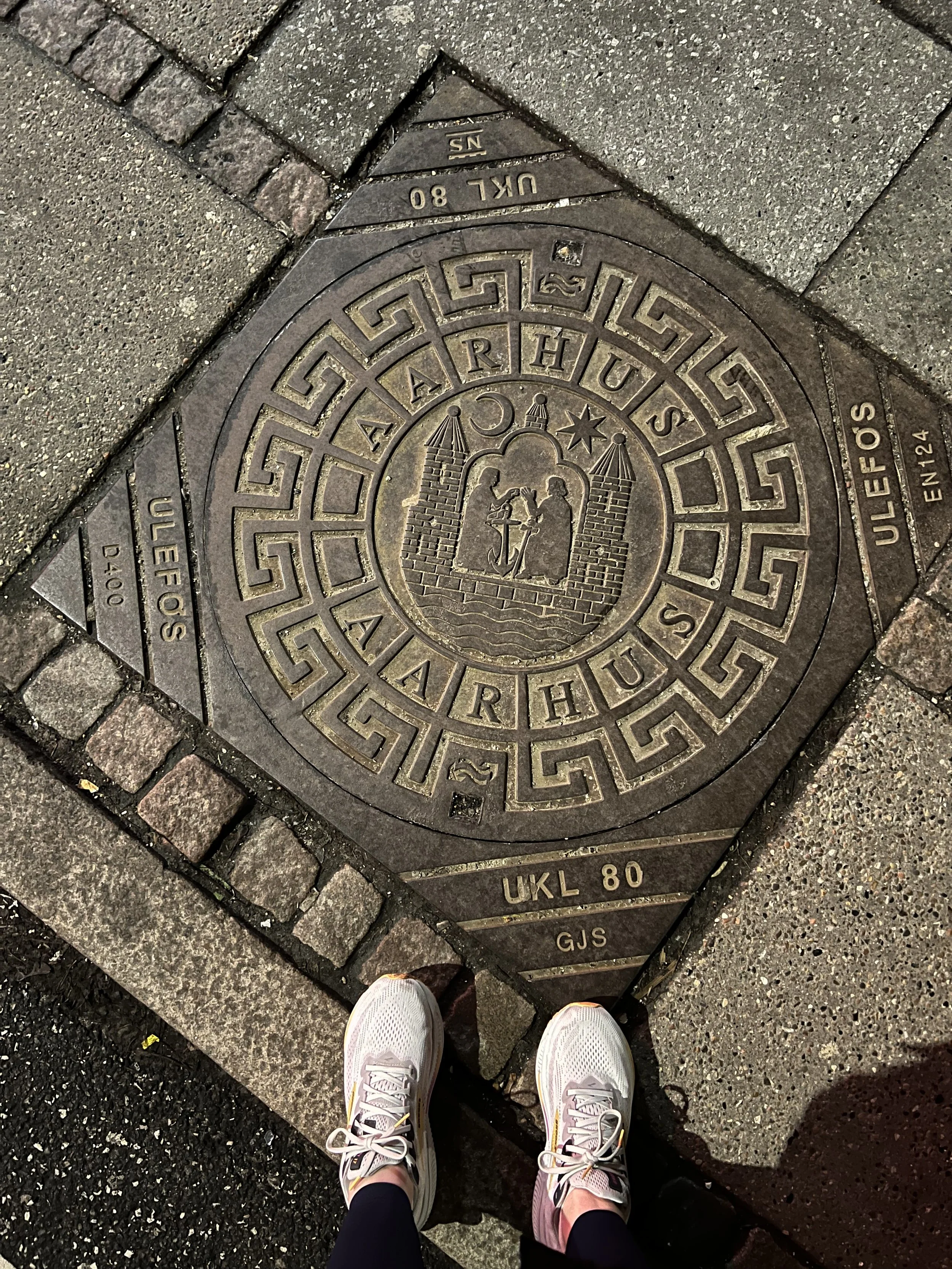
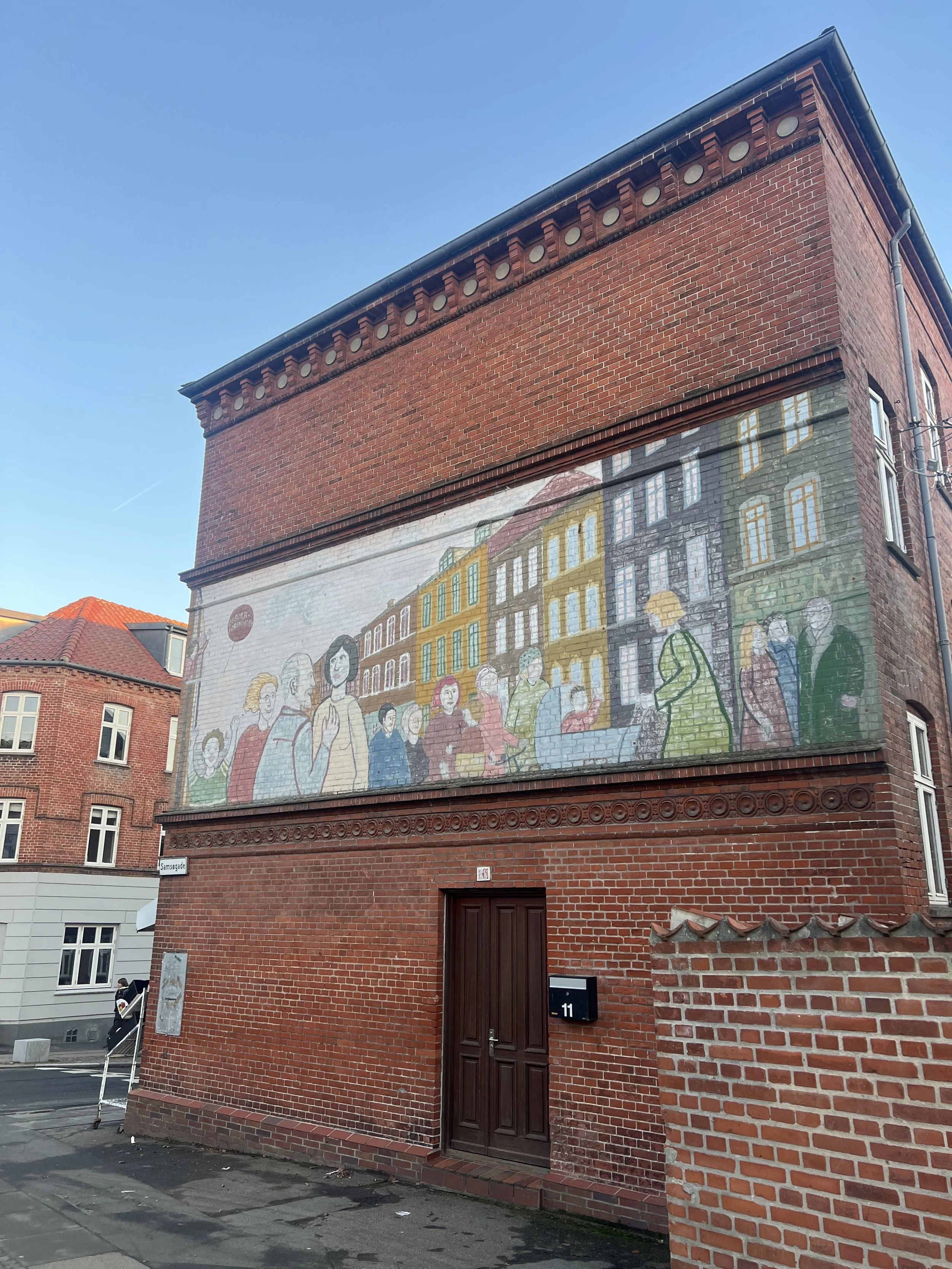
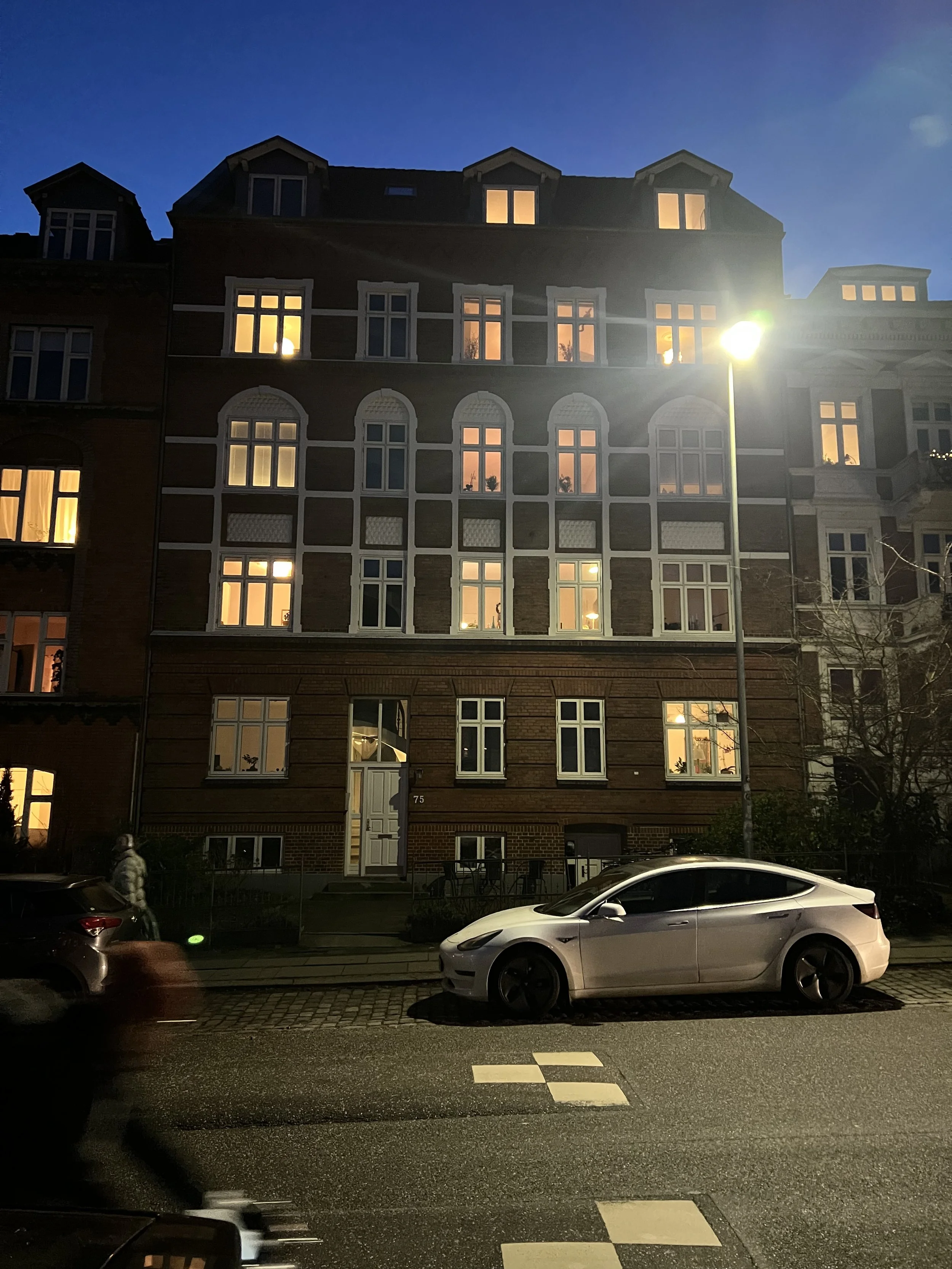
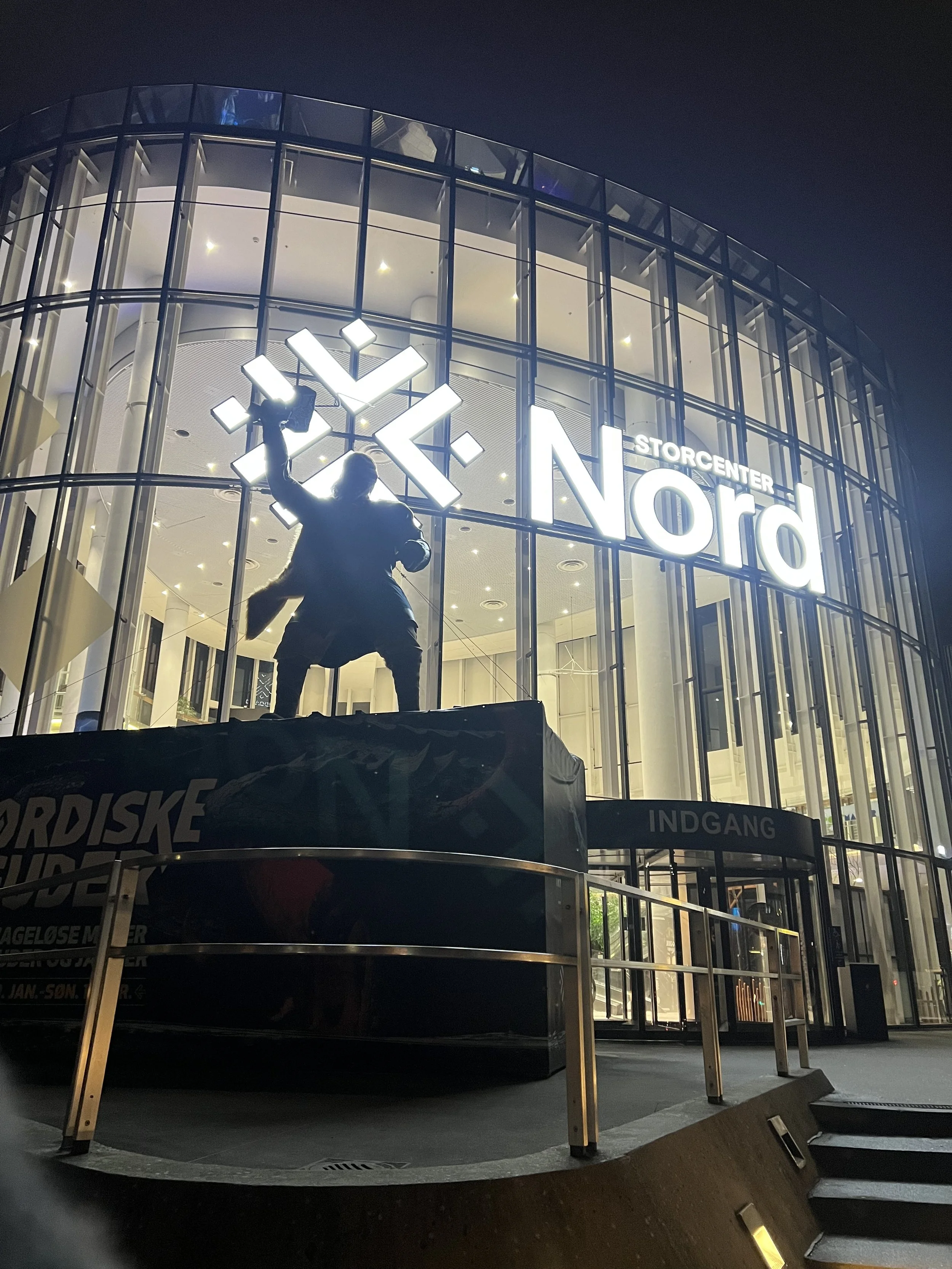
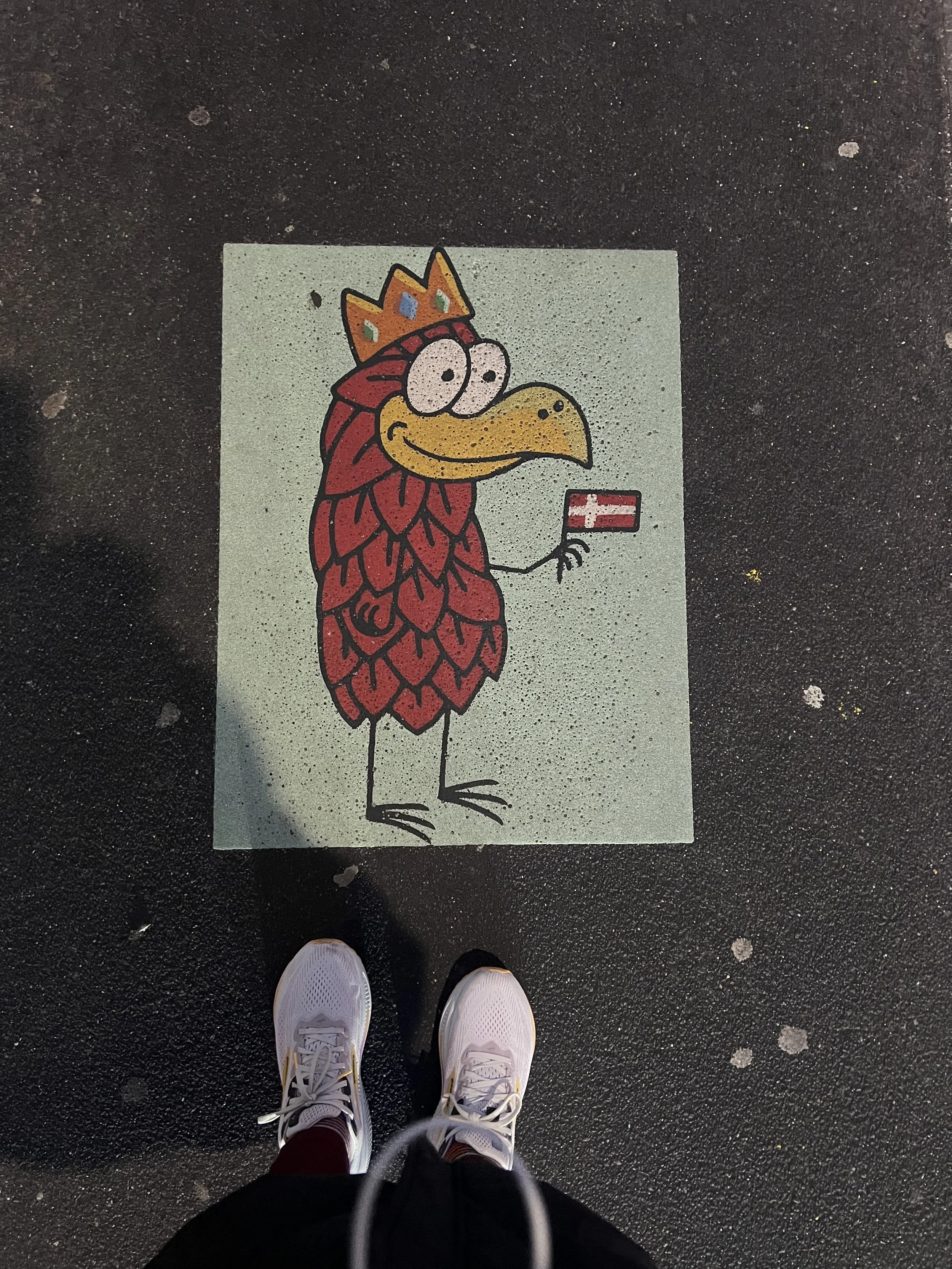
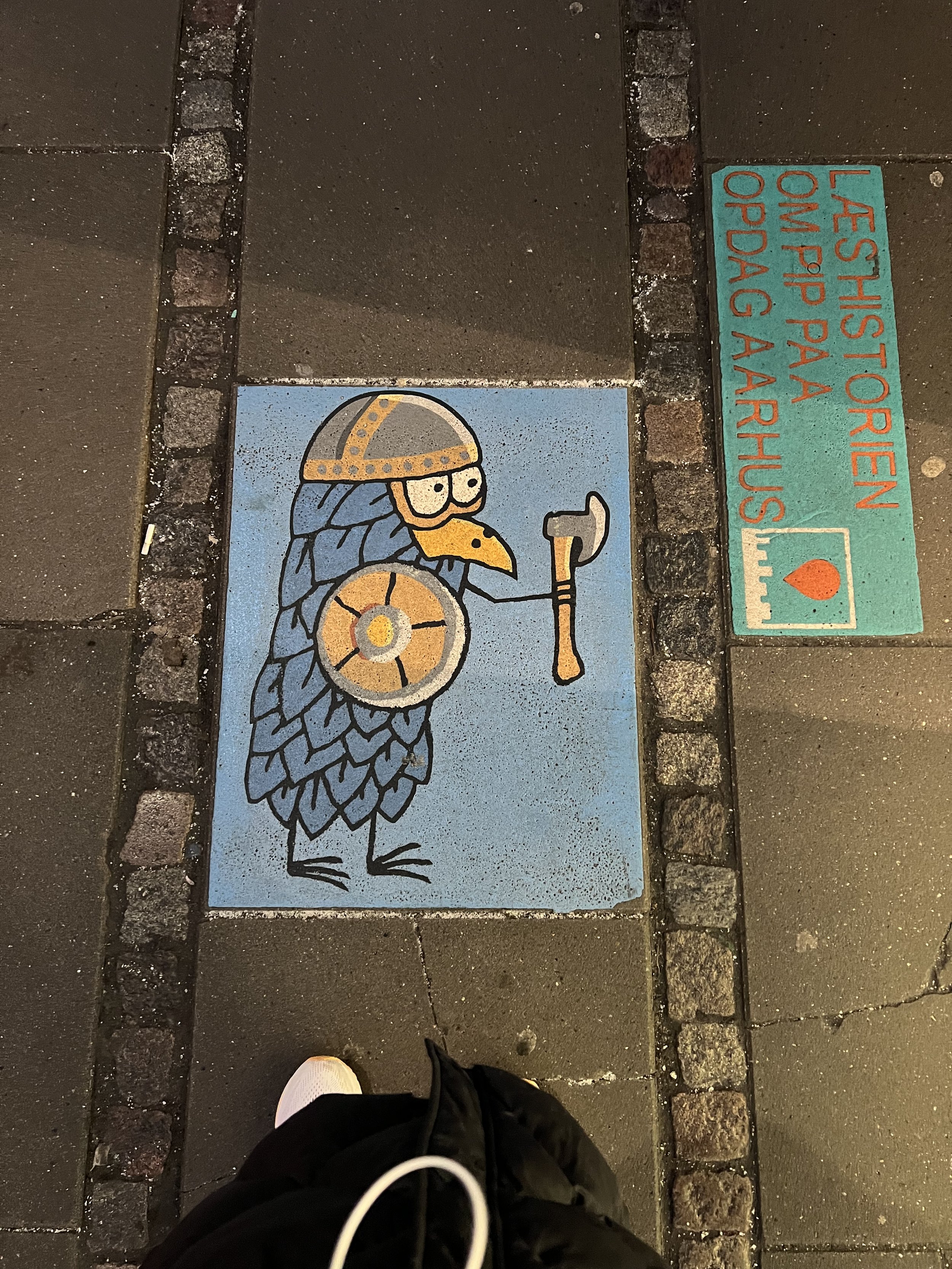
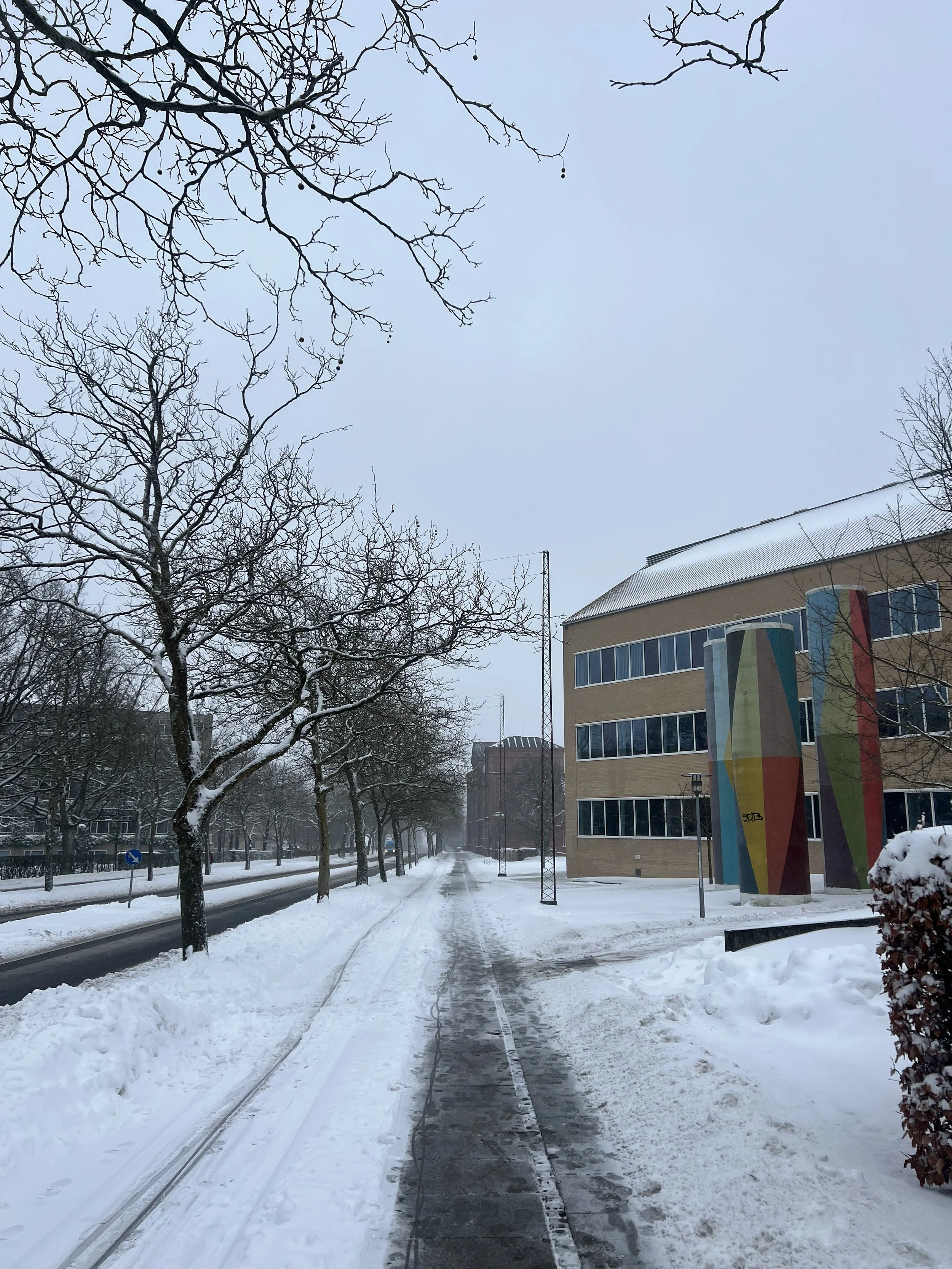
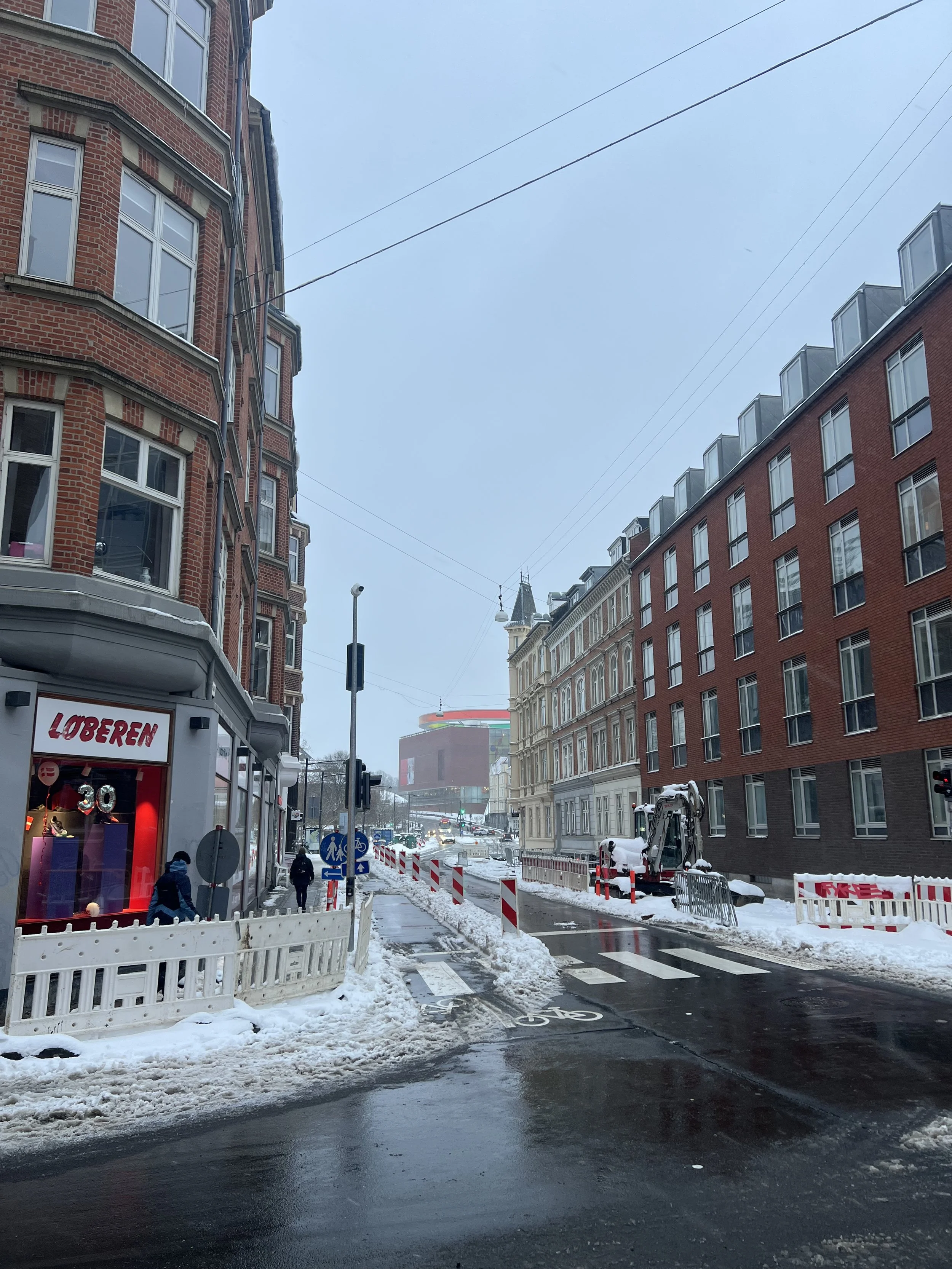
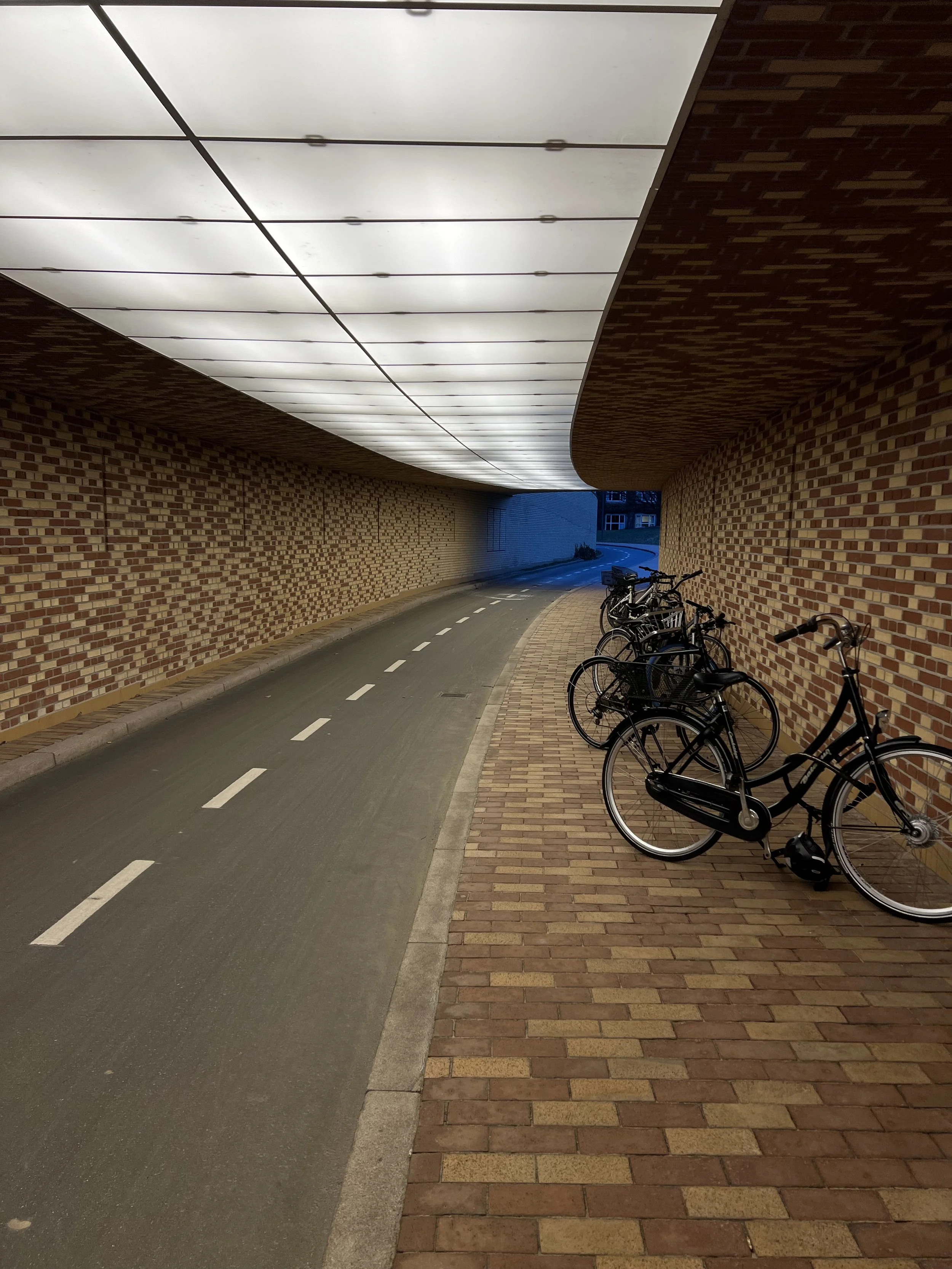
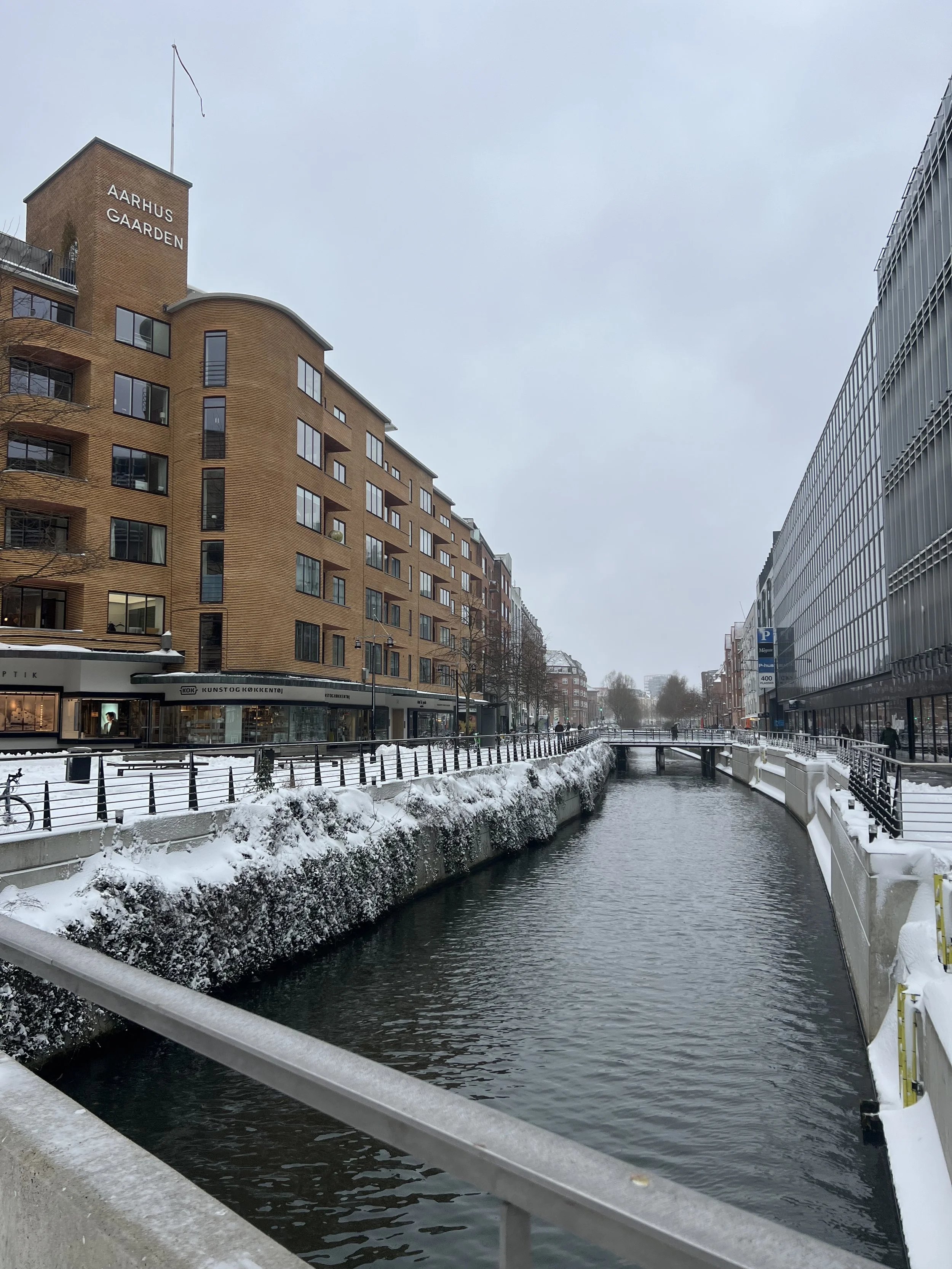
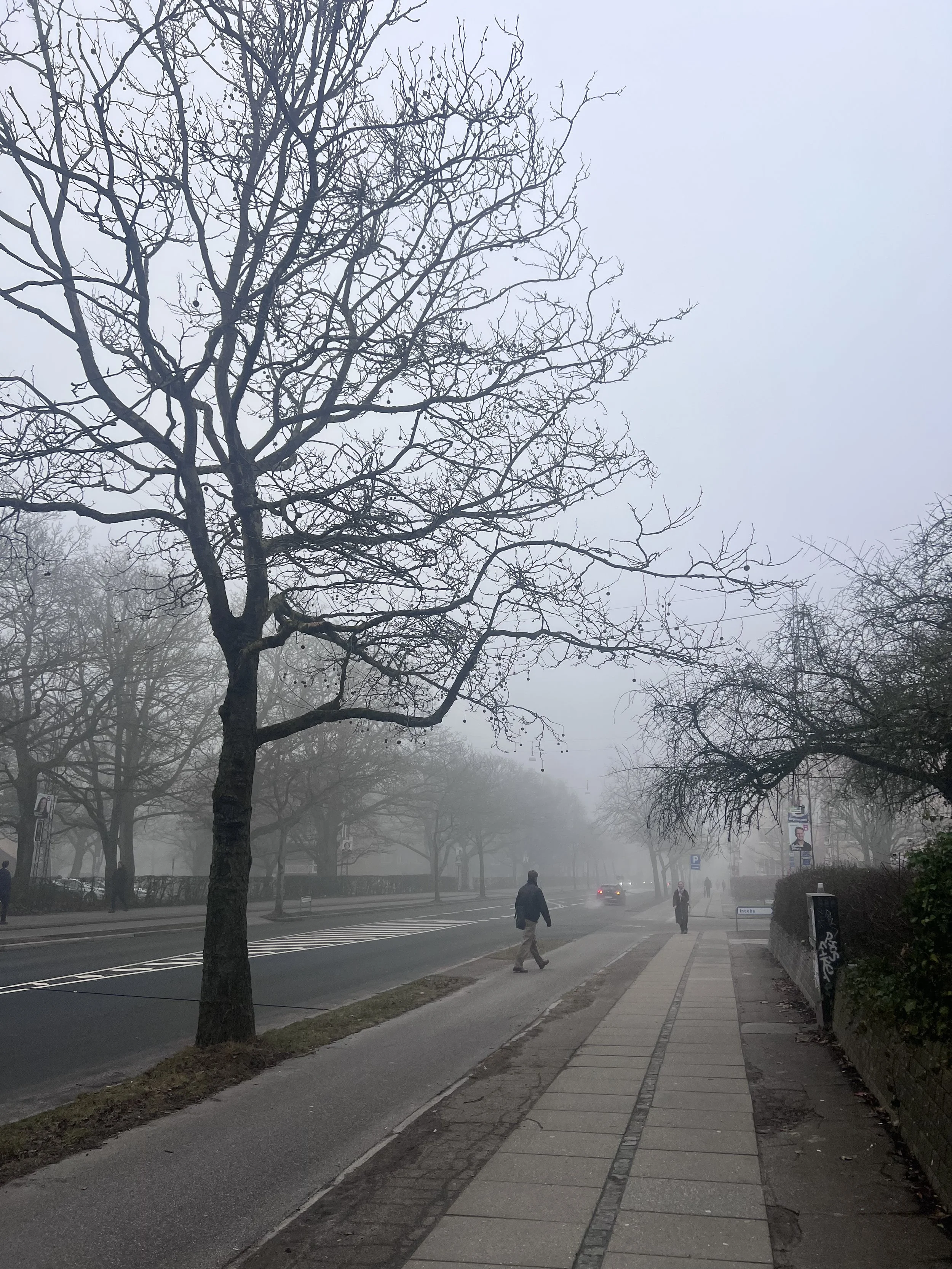
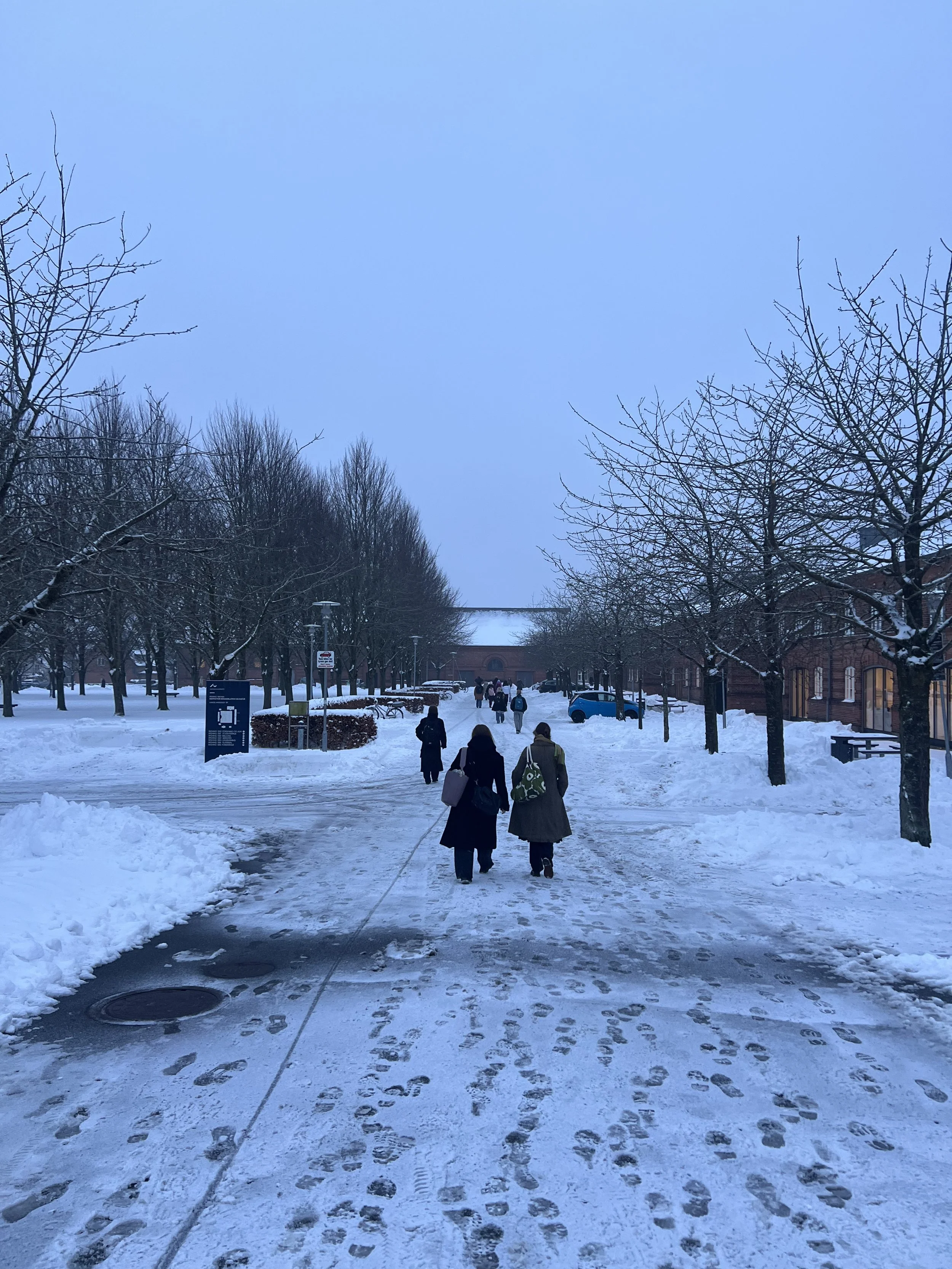
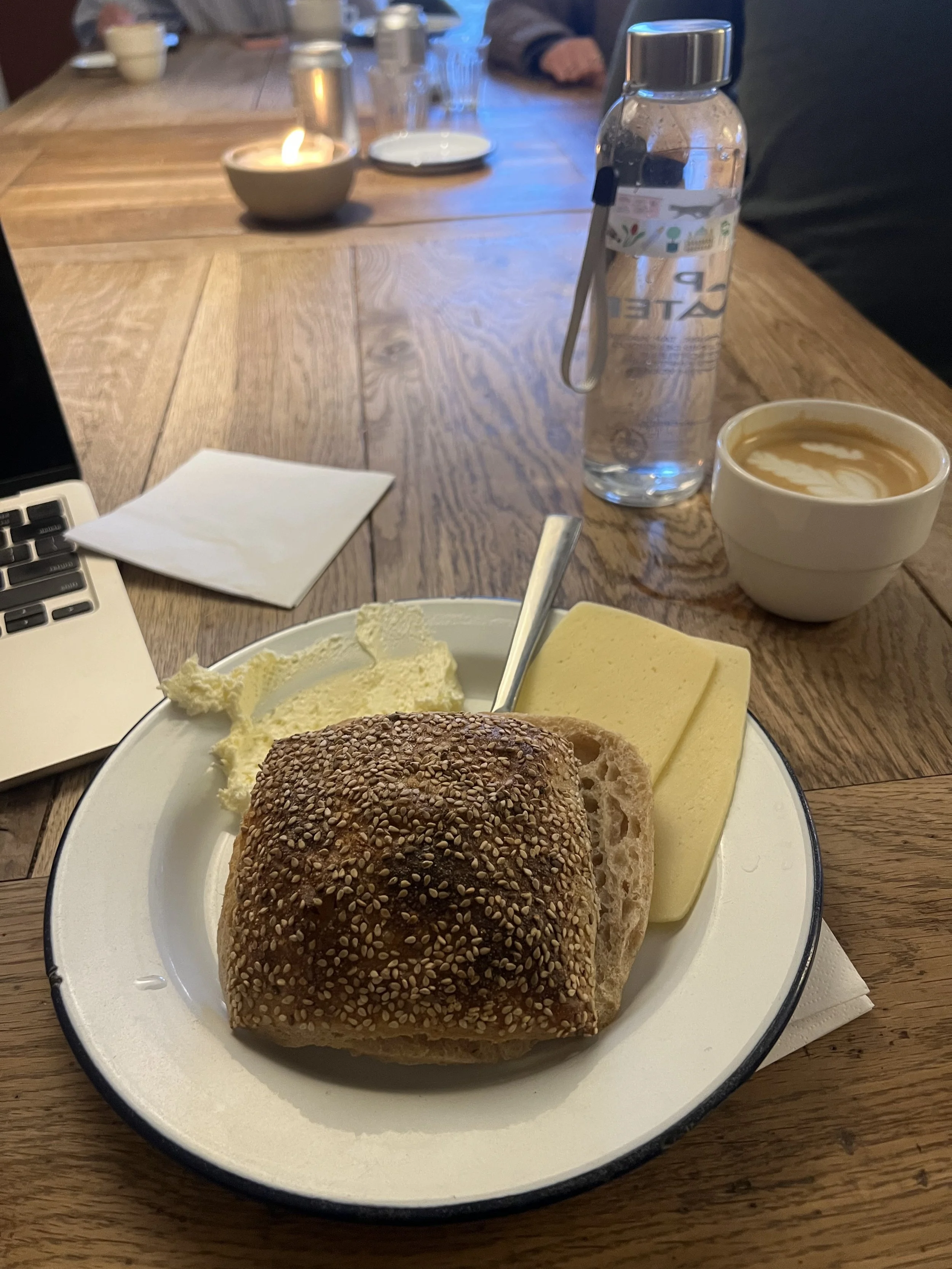
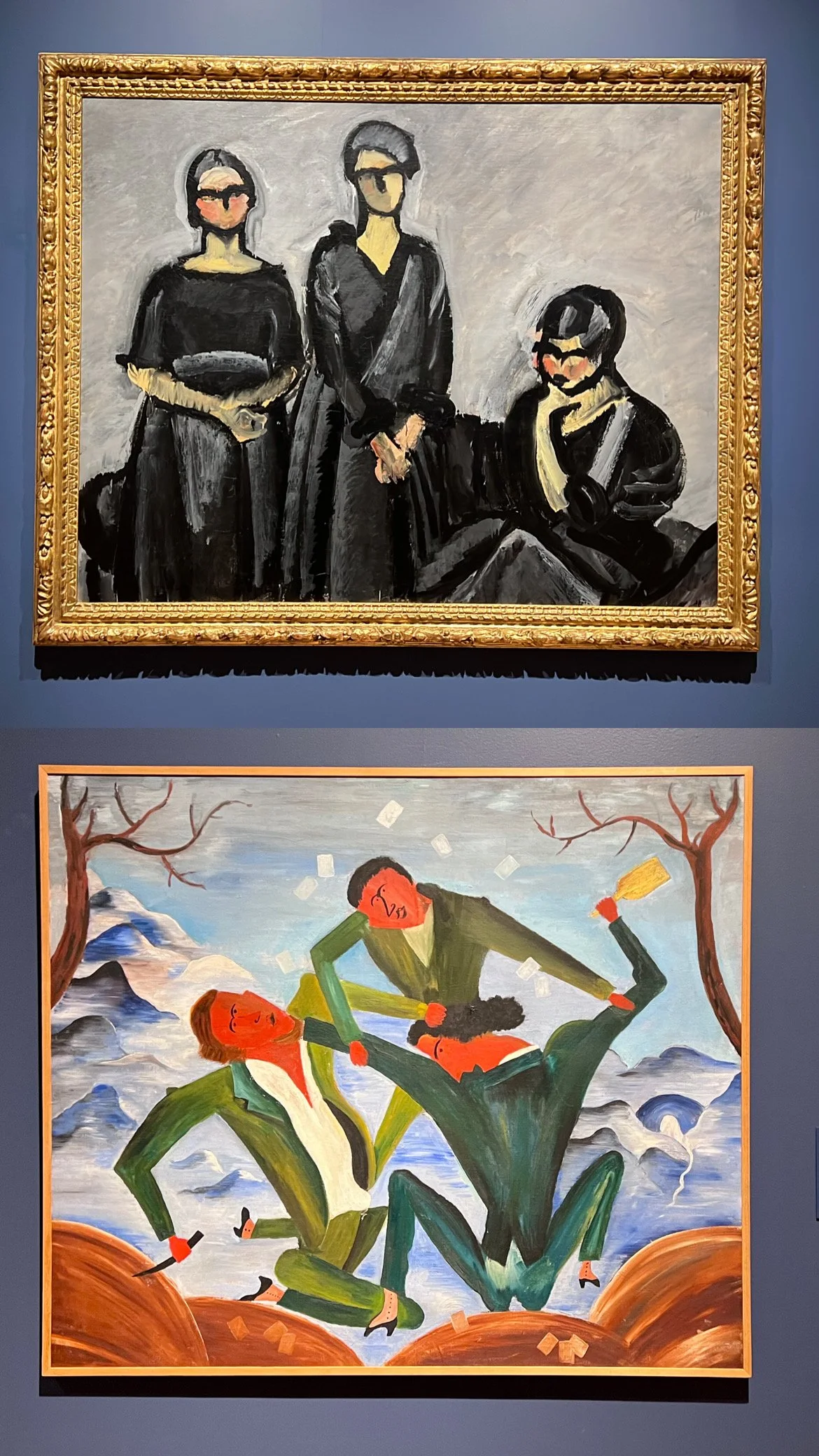
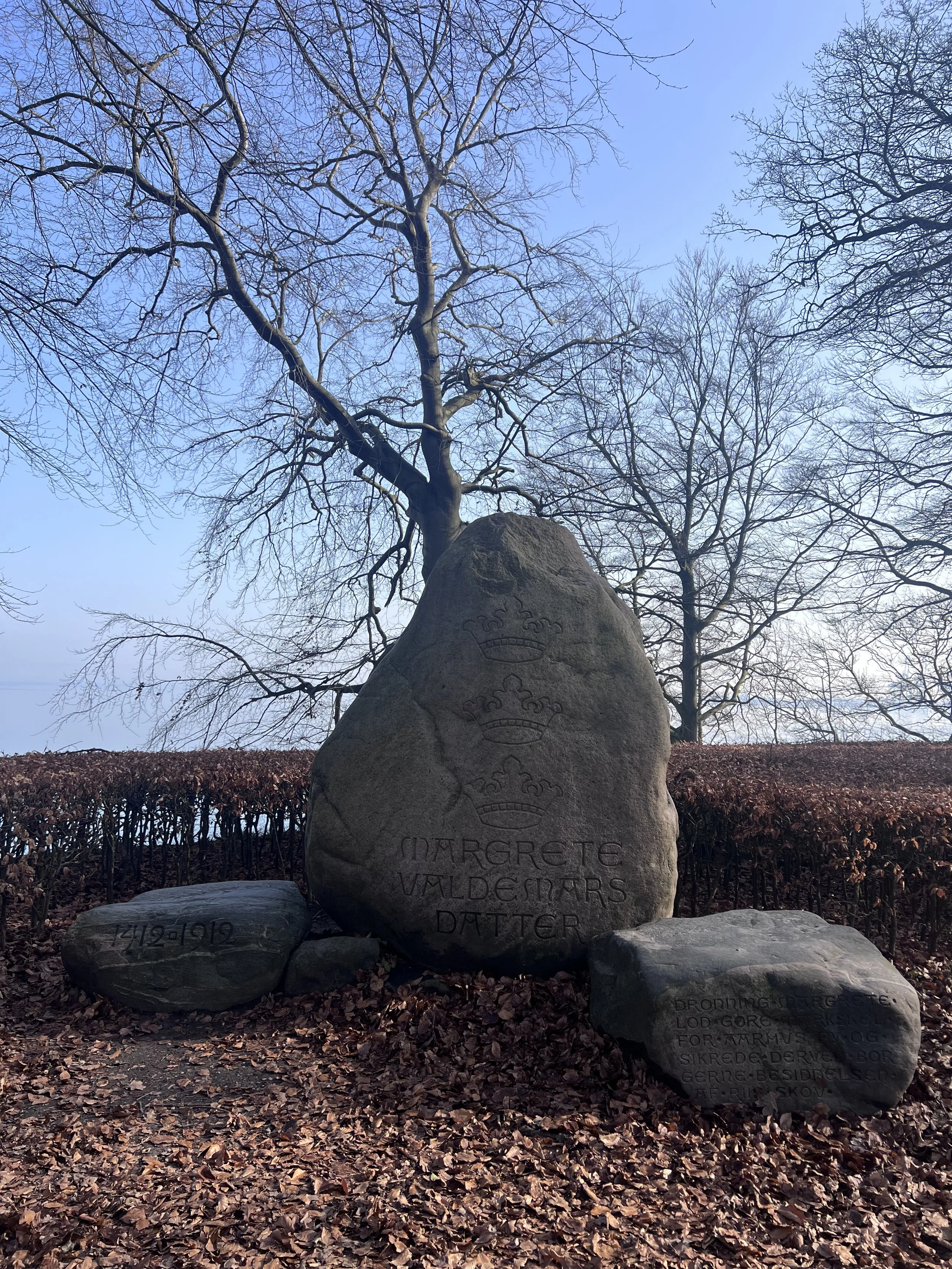
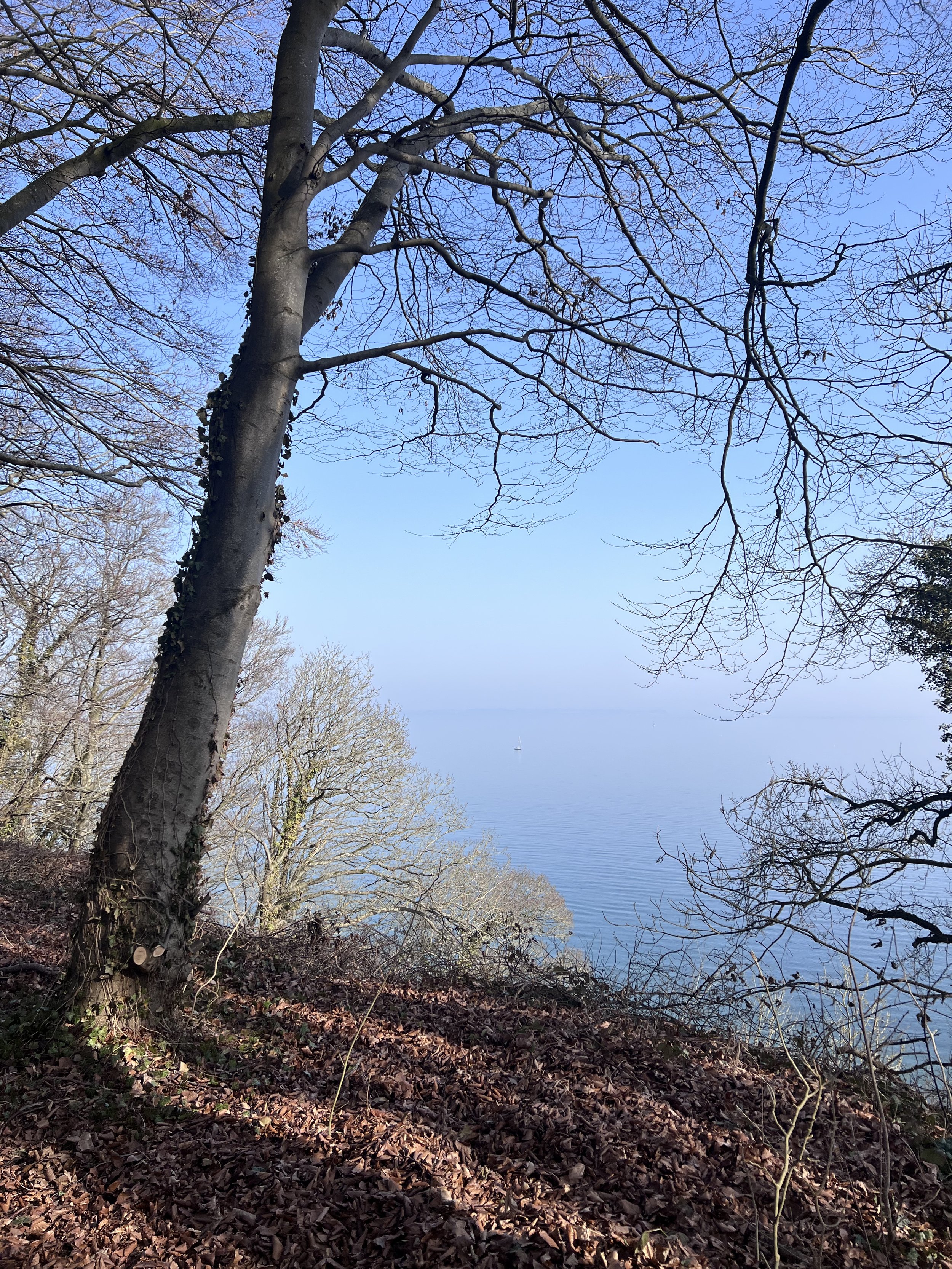
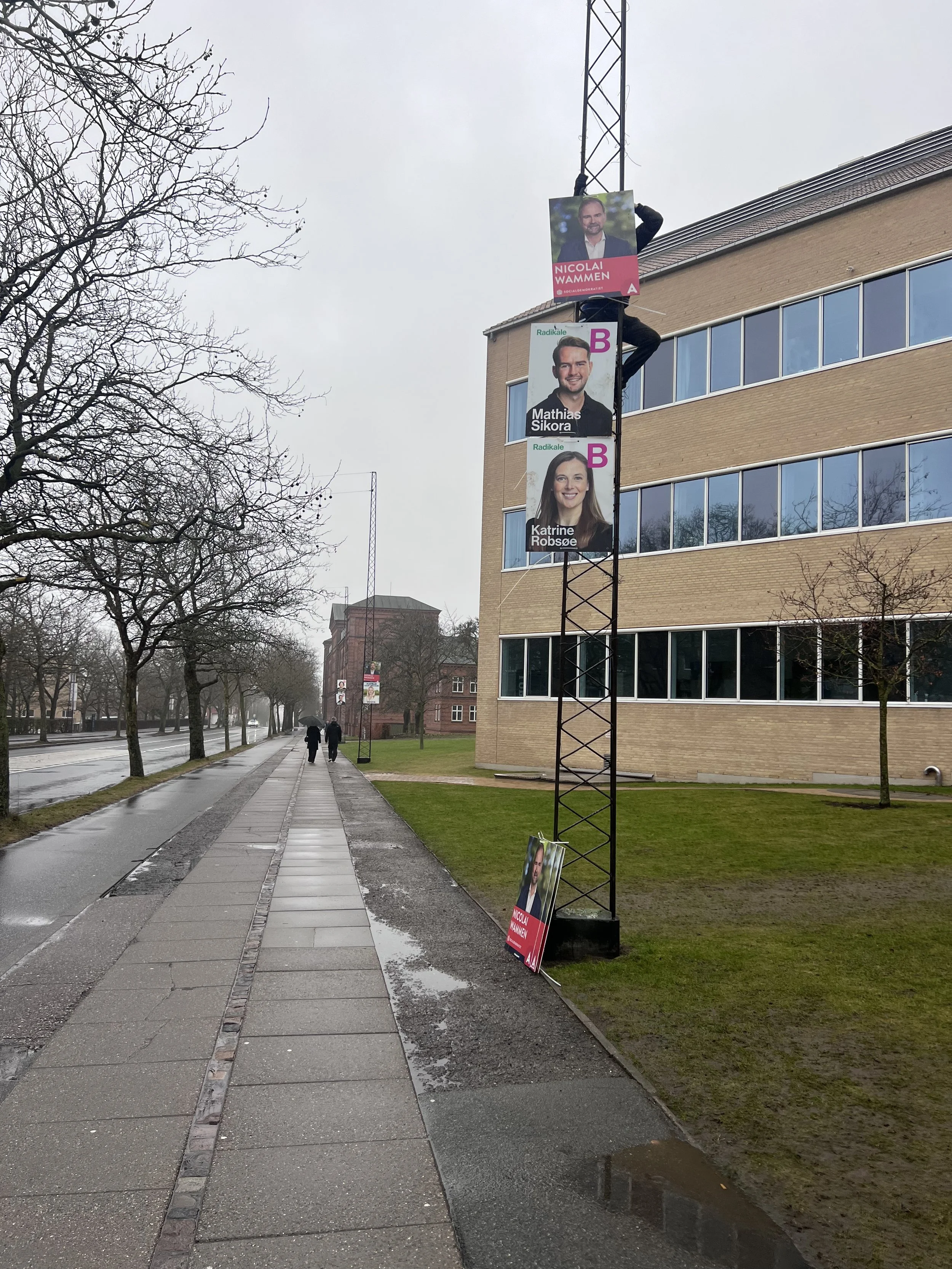
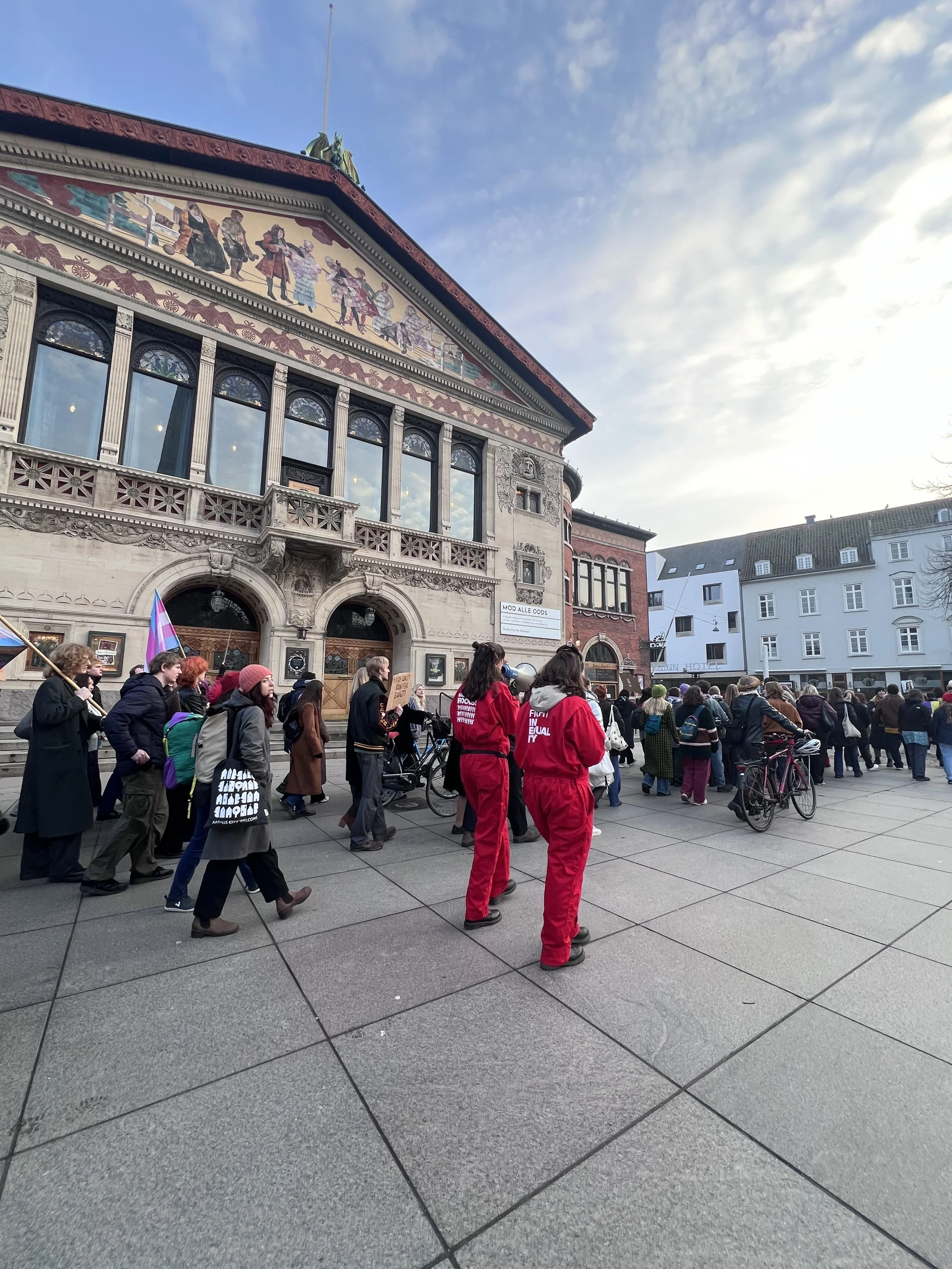
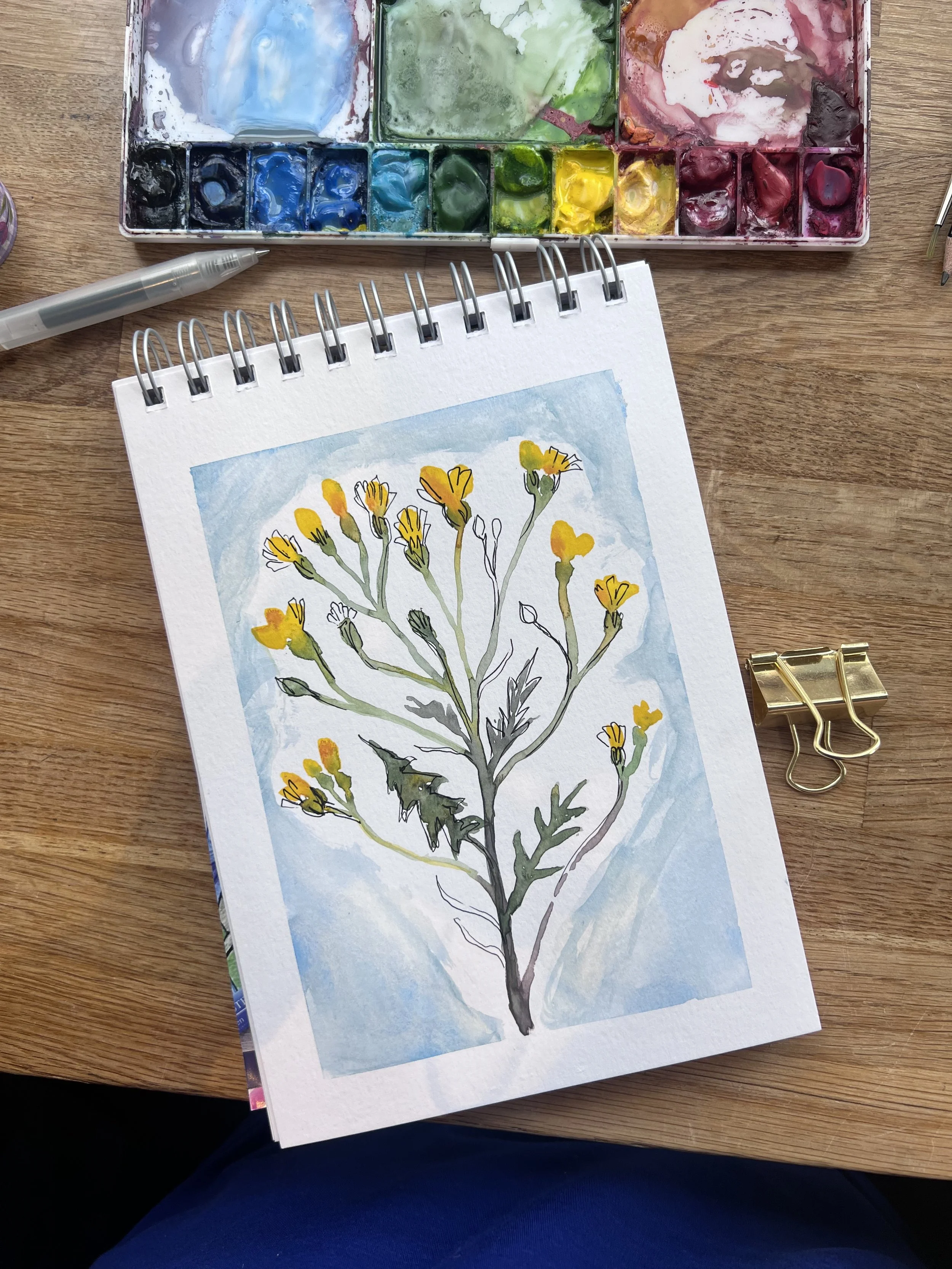
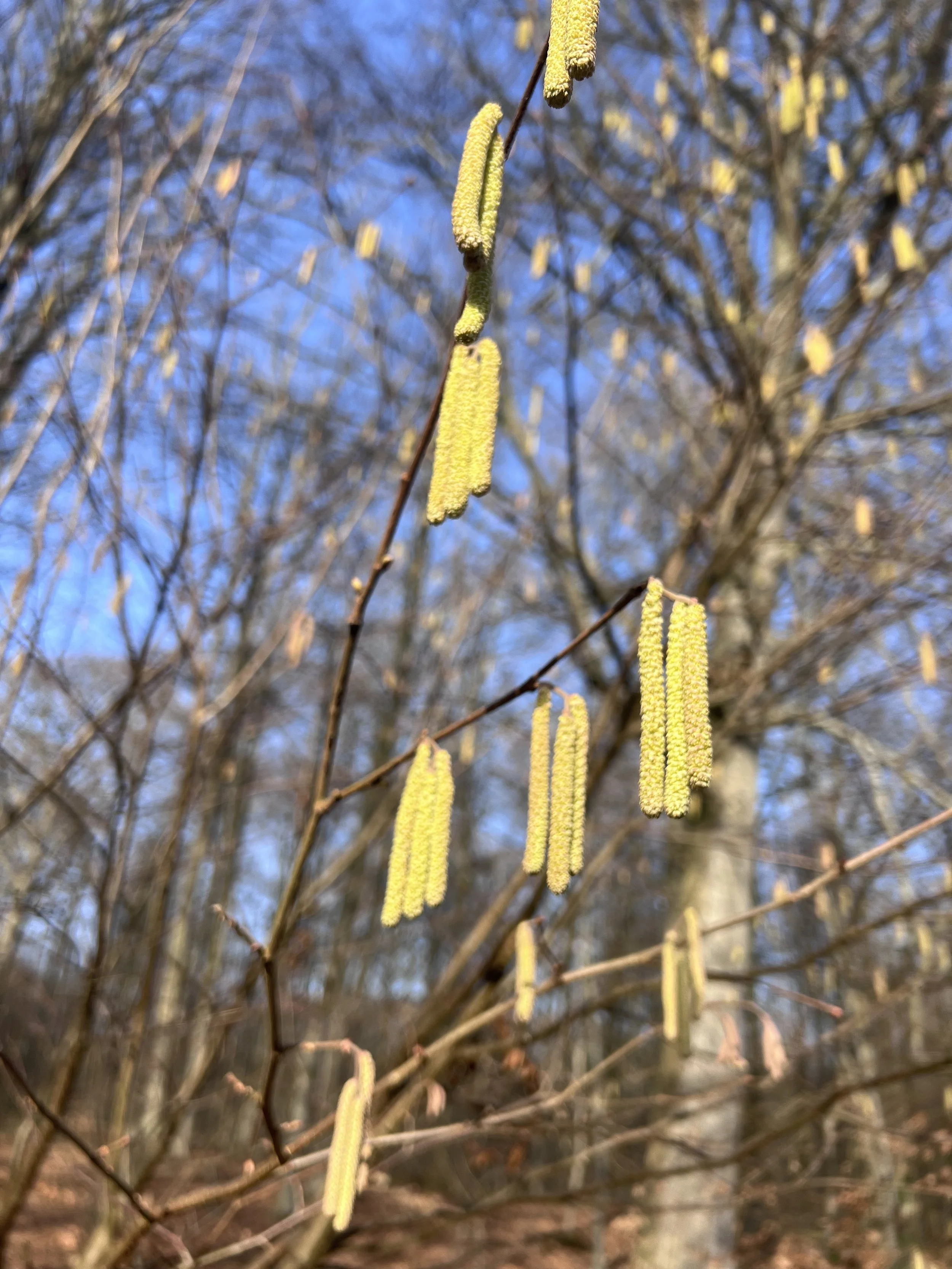
And from the semester so far in Aarhus:


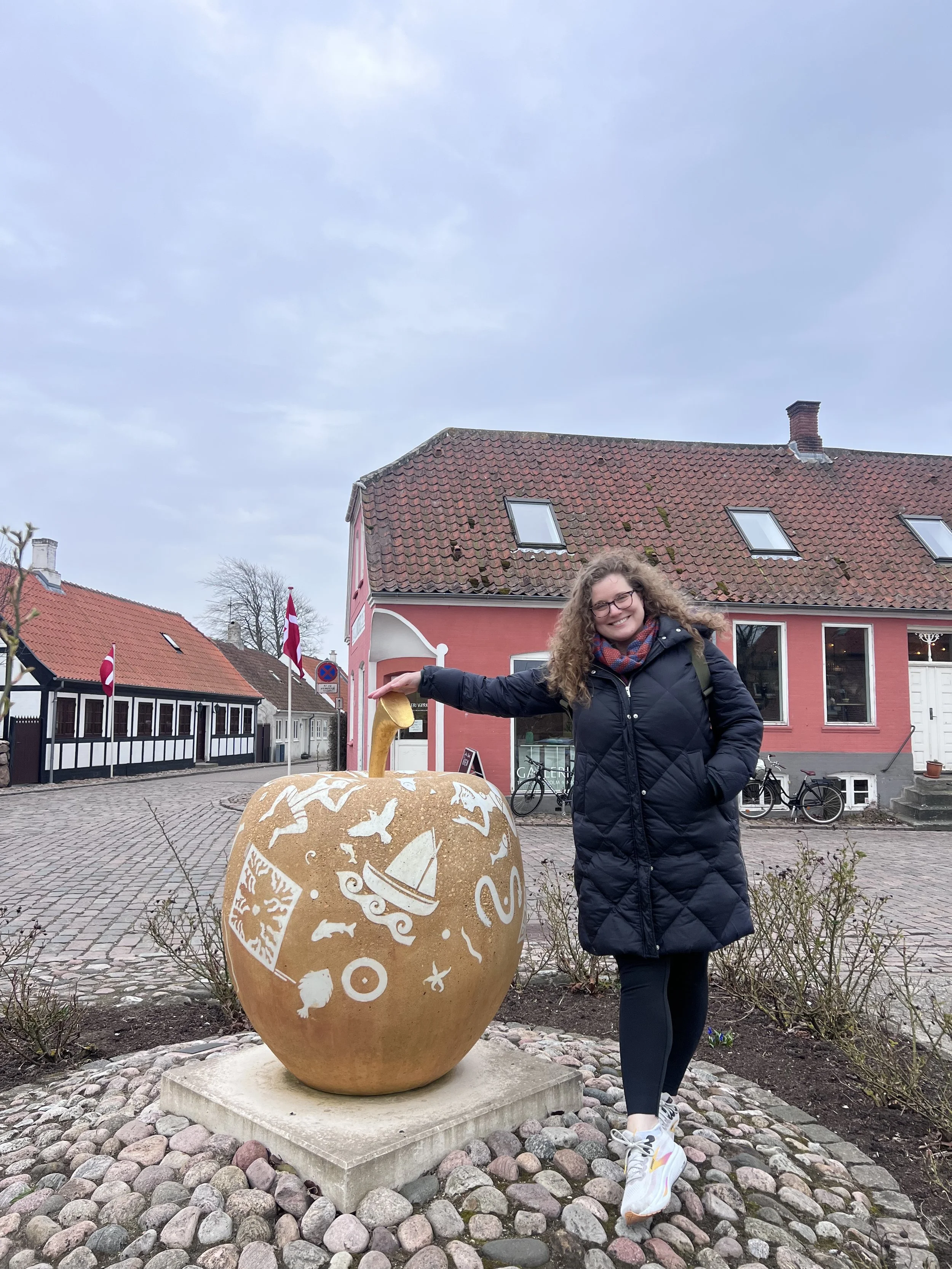
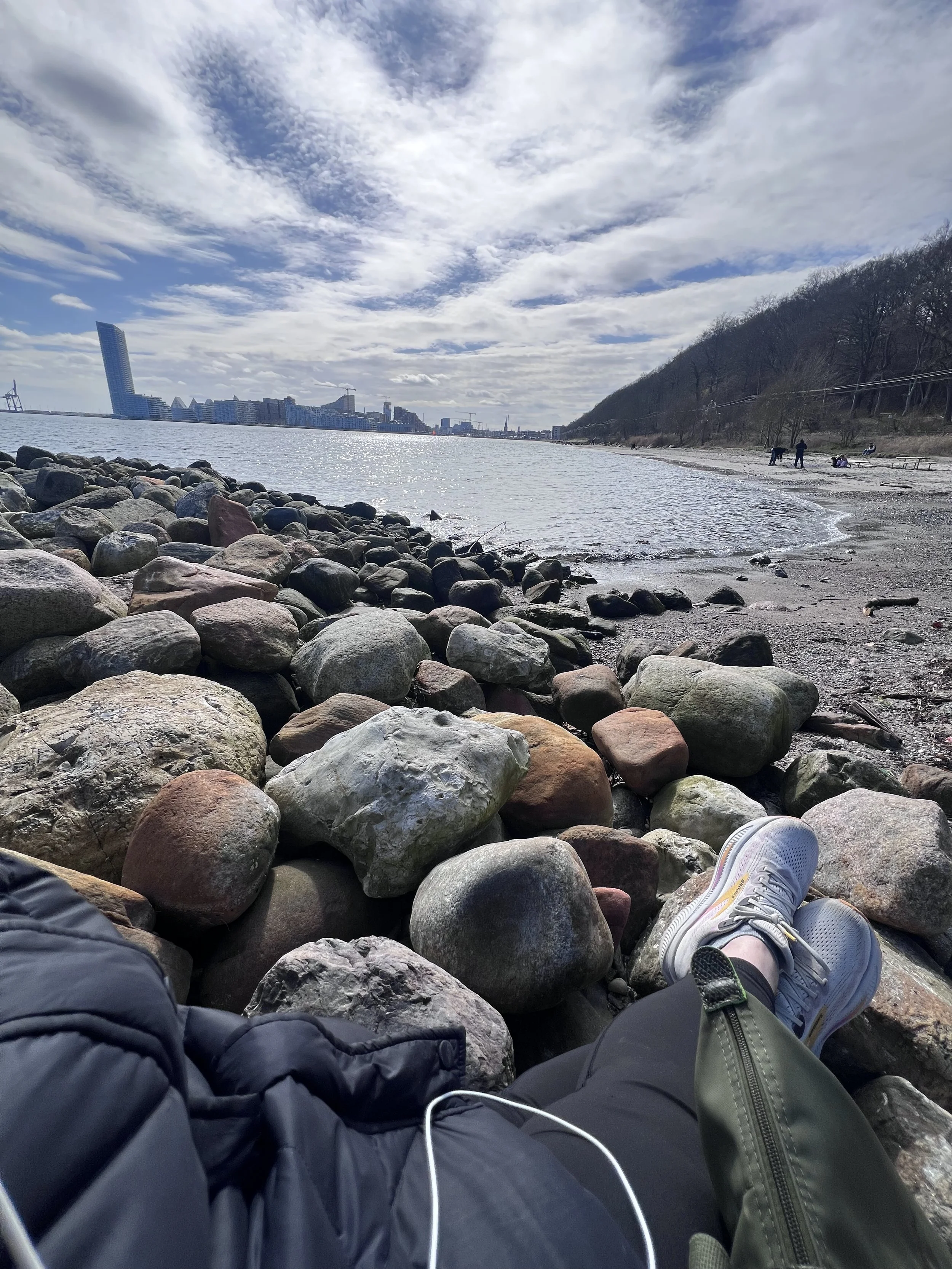
Money (Scholarship vs Self-Funding)
This is not an inexpensive experience.
Scotland and Denmark are both relatively expensive places to live, especially for housing. I’ve been working remotely part-time during the program, which has definitely been challenging in terms of time and energy, but important for me financially and relieves that aspect of stress.
I chose not to go to grad school until I was in my late 30s because the expense and potential debt was absolutely not worth it to me at earlier points in my life. I got out of debt from my undergrad degree pretty quickly in my 20s and wasn’t eager to take on more debt because not having debt allowed me to take a lot of other professional and personal risks. (And that was absolutely wise & correct for me then!)
I’m not really clear on how the scholarship process or decisions work, honestly. When I was first applying, I was under the impression that if I submitted as a self-funded student, I might get my decision sooner or be more likely to be accepted. But then when I submitted my application, an admissions officer emailed me to ask if I wanted to apply for the scholarship (no disadvantage either way). So I then resubmitted with the scholarship application, which, as far as I remember, is only different by having a box that you check.
I received my conditional offer for admission in December (conditional because I needed to submit an additional / different recommendation letter, which I did shortly thereafter) and then I received an unconditional offer. I accepted my offer in late December but did not submit my deposit payment yet as I was waiting to hear back about the scholarship, which was announced on April 2. I did not receive a scholarship:
“We understand this must be disappointing news. We received many applications of very high quality and as such, we have had to let down many deserving candidates. Please be assured that all applications were reviewed and scored by representatives of the Consortium universities according to the selection criteria which is a very thorough process.”
I don’t know how they evaluated it or whether it’s based on academic merit or assumptions of our financial circumstances (we didn’t provide that information explicitly) or what factors go into the selection. But I am glad that the scholarship is enabling my classmates to be in the program since it really is the only way it’s possible for most of them.
After I got the notification that I didn’t get the scholarship, I paid the deposit on April 4 and was therefore secured with my spot in the program. I already knew I wanted to do the program anyway and expected to be a self-funded student, so I didn’t need to reconsider my decision based on the scholarship.
My situation is of course specific to me, so this may not apply to you. So even though I didn’t get the scholarship, being a self-funded student is feasible for me:
I’m the oldest student in my cohort
I have savings and ongoing work & income
I have family support, which is something that’s available for us now but wouldn’t have been possible for my family in my 20s or even early 30s
Our money is US Dollars, which is less than the British Pound, Danish Krone, and Euro, but stronger than most of my classmates’ home currency
That combination made it possible for me to do this without taking on debt, which was a key factor in my decision. So I’m aware of the financial aspect of the program and experience, but I’m fortunate that I’m able to manage it without it being a big burden or stress. I can’t speak for what makes sense for anyone else.
Payment Plan
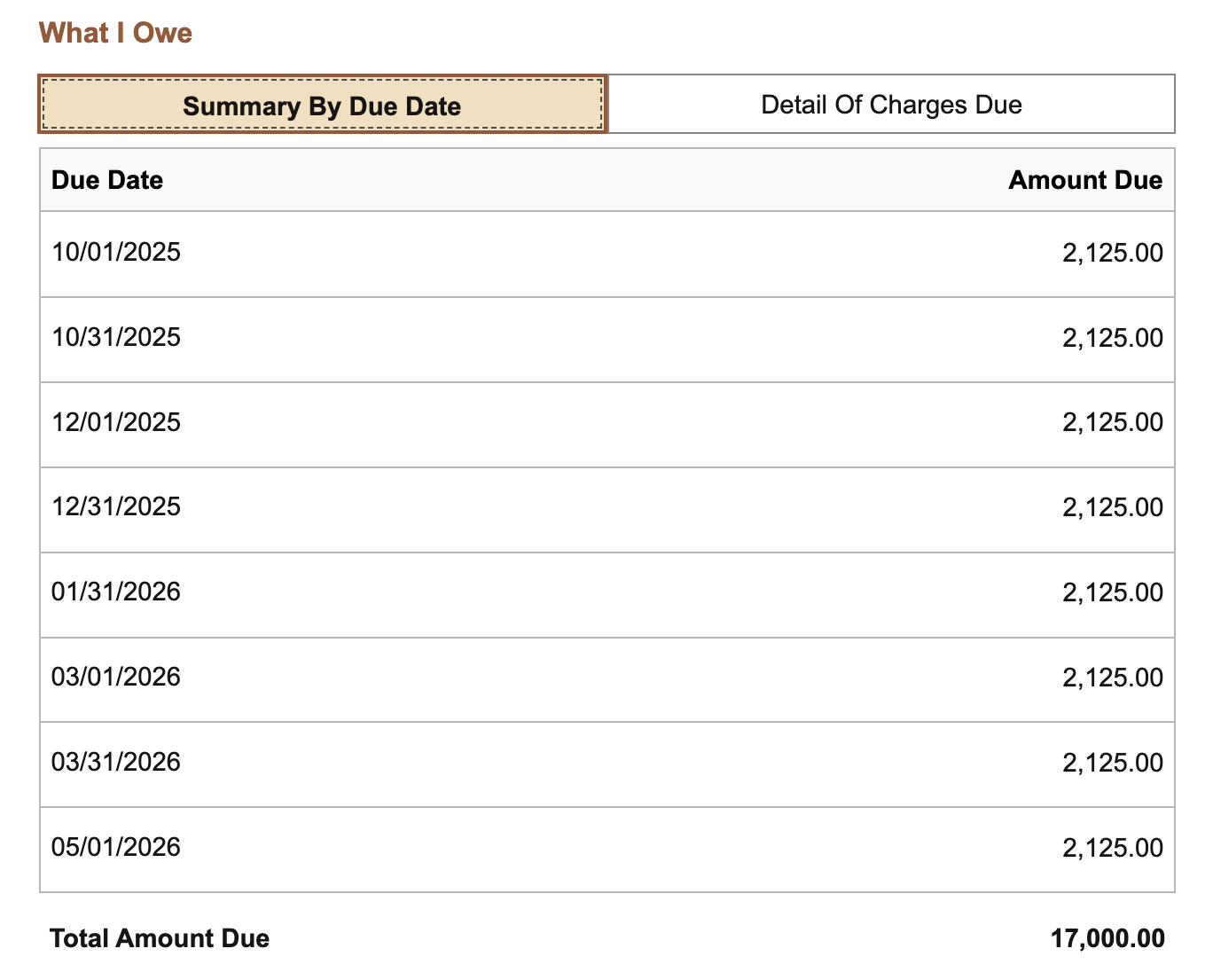
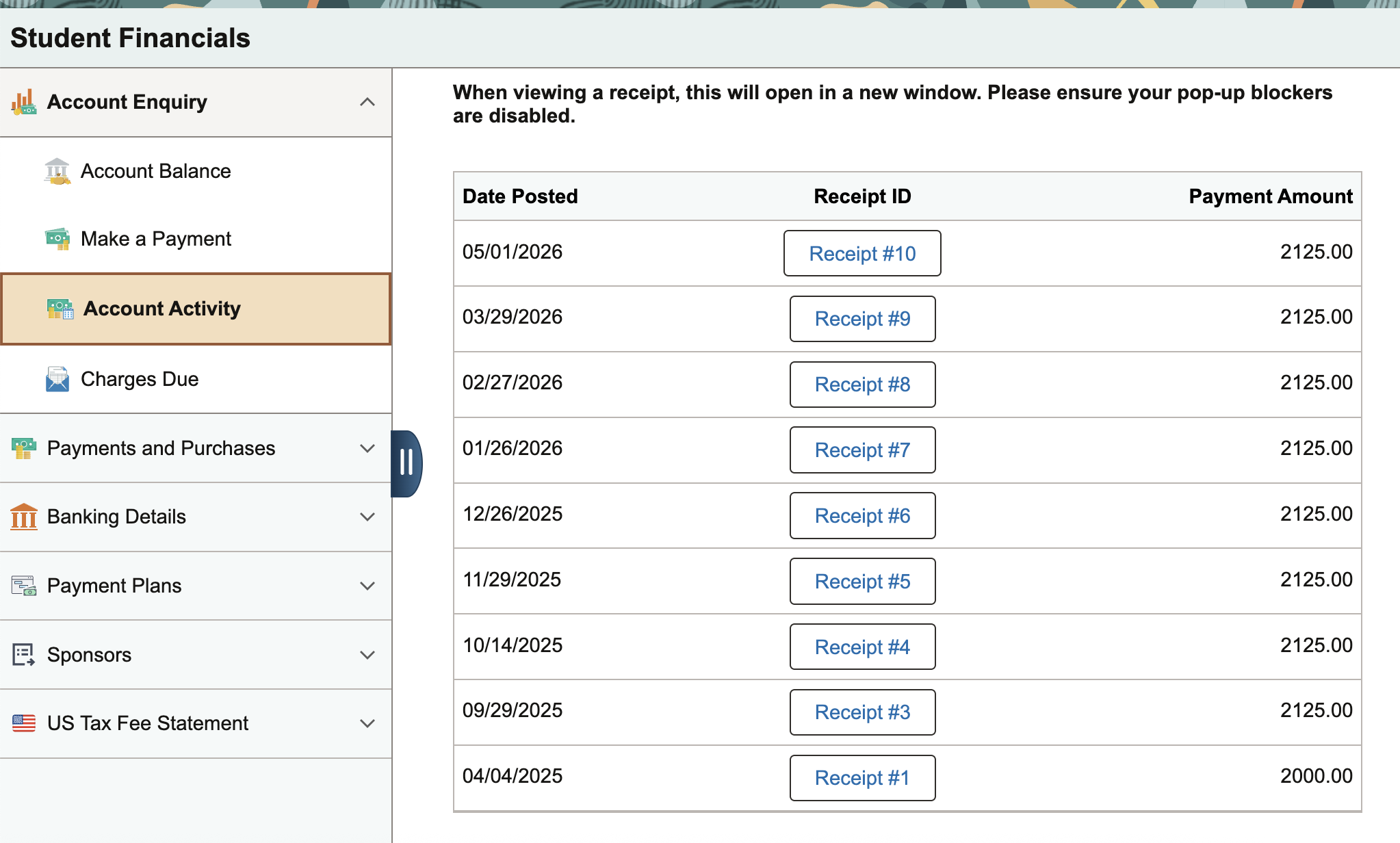
It’s also worth noting that the University of Glasgow (who administers the program so we do our student registration and then pay our tuition, regardless of where we are for the semester) allows you to turn on a “Manual Payment Plan” for your tuition, breaking it into 8 installments with no additional fees. This can be paid by bank transfer or credit card (which is what I do; our card doesn’t charge us fees but yours might). So that can be very useful for budgeting and managing finances through the year.
Why I chose to do the CLMCE program
Applying to CLMCE came after a long period (15 years) of thinking about whether — and when — grad school made sense for me. For a long time, it didn’t. That shifted over the past few years for several reasons and eventually led me here.
Higher education is very expensive in America, and it was completely worth it for my amazing undergrad experience (shoutout to Williams College, which recently made their financial aid even better so that financial aid students have no loans at all!), but I didn’t want to spend $50-150,000 on grad school without being sure it was necessary for my career, which it wasn’t since I am not a doctor or lawyer or committed to becoming a CEO or something that would require a MBA. So grad school was something I was always intellectually interested in but not committed to until recently.
I have also spent a lot of my adult life abroad (aka outside of the USA). I studied abroad in Italy in college and loved it. I moved to Morocco for a job after graduation, then Switzerland, then Bulgaria. I went back to the states for 3 years and then found my way into a lifestyle of remote work + travel for 10 years before I moved to France for art school in the fall of 2024 and then started CLMCE in the fall of 2025. I’ve been to over 55 countries.
My point is not to brag but to show that I have made a lot of decisions in my life (plus the privilege of an American passport and skills I have leveraged for remote work) to prioritize living and traveling abroad over essentially everything else. I am not married, I don’t have children, and I don’t own a house. The longest I’ve ever rented a place of my own was a year, and only a few times. I have had good work experiences so far, but achieving a certain professional position or maximizing salary have never been my primary motivators.
So within my financial and lifestyle context, it’s not surprising to learn that I had decided long ago that if I went to grad school, I wanted to do it in Europe. Even paying international student tuition fees (CLMCE is the same price for all self-funded students, but many schools have lower UK/EU student vs higher international fees), the prices are far lower than any program in the USA, and I have the added benefit of being able to live abroad as a student. But any time I looked at programs, I could never commit to the particular degree path (MBA, MFA, MA, etc) or expense (taking on a huge amount of new debt).
Finally, we get to the point where I make this decision: to apply for CLMCE and commit to being a self-funded student.
During the pandemic, I decided that I wanted to learn how to do digital drawing on my iPad. Because I’m me, I figured I needed some structure, so I decided to illustrate the alphabet, and then (again, because me), I wanted to add in some fun facts about each thing I drew and put it together as a book. I made a Kickstarter for my birthday, got funding, wrote the book quickly, spent longer than I expected on the illustrations, and finally published the book, receiving the hardcover copies of An Alphabet of Fun Factsin January 2024.
At the end of that experience, I felt like I really wanted to make more books, but I wanted to do it better and faster.
This compulsion aligned with having spent 15+ years working, being increasingly less motivated by capitalistic career endeavors, feeling pretty depressed by the world as a whole (the pandemic, US politicians, people), and my parents having recently saved up some money for my theoretical wedding but suggesting it could be for grad school instead.
Since I could feasibly study without going into tremendous debt and also have a resume, work experience, and professional network to fall back on even if grad school didn’t lead into a long-term career, I decided I would take the risk to pursue a program in something I would genuinely love to learn and hopefully, ideally, but not necessarily be able to transition into doing professionally.
CLMCE stood out as uniquely appealing to me because it combined:
Children’s literature / content for children
Different forms of media
A strong academic aspect but with some business courses (in the Nantes pathway) that helped me feel justified & capable of arguing its merits in the working world
Cultural entrepreneurship and the cultural exchange of studying in different countries with international classmates
Living in several different countries during the program
Given my background and priorities, it felt like the right fit at the right time. I learned about it in January 2024, it was full for that fall so I applied for the fall 2025 cohort, was accepted, and here I am.
Application & Personal Statement
Sometimes people ask me what they should say in their application and personal statement — what the admissions committee would respond better to. But I’m a student, not the admissions committee, so I can’t know. All I do know is that my application was accepted (and so were my classmates), but we don’t really explicitly know why us (and why not others).
I could make some guesses based on what I know about my cohort, but they would absolutely be assumptions. I don’t know the rubric or priorities for what the admissions committee looking for (or who exactly is involved in the decision). So I’m basing the following advice on how I approached my application as well as what I know from my experience in the program and also working in content marketing (aka writing professionally).
The best advice I can offer is to make sure your statement shows:
Tell your story as well as you can — the path of your life brought you to the program now; show how your unique, personal, individual background is connected to the program’s key tenets and sets you up to succeed in it.
Why you’re passionate about CLMCE — there are reasons that you are interested in this program over other programs and are excited for this opportunity and willing to do this work.
Why you think this a good fit for your future career — this isn’t locking you in, but it’s a vision based on your priorities & interests and what the program seems to be offering. Obviously it can change — I think it probably should evolve if you do the program. As we get more information and exposure to ideas and opportunities, we should reconsider what we’re doing and what we think.
Remember: the purpose of your application and personal statement is to introduce yourself to someone who knows nothing about you, to illustrate how you align with this particular program, curriculum, and opportunity, and to propose what you think it could lead you to do.
Frankly, if the primary reason you are interested is because you want to get the scholarship or travel to different countries, but you don’t actually care about children’s literature, media, and cultural entrepreneurship, or you don’t really want to study and research and write, it would truly be a shame if you were accepted. Because that’s what this program and opportunity are really about, those are the people who should be part of it, and you shouldn’t try to sneak into something that isn’t a good fit (and especially in place of someone who really does care and is also a good fit).
This is also, I suspect, what the admissions committee is looking for: They want students who are excited to be in the program. They want us to show up for class, do the reading, engage in discussions, dive into our research, develop interesting ideas, and make contributions to the field in some way — both during the program and beyond.
So before you apply, please consider whether this is genuinely the right and best fit for you, if you are motivated by the right reasons (of which there are a wide variety!), and if you will truly take advantage of this opportunity not just for yourself personally but for the benefit of making a positive impact on children, academia, literature, media, business, publishing, the program, the world… we don’t have to be the biggest change, but we at least should be aiming to do something and ideally for good — or so I believe, and I think the program administrators would also agree.
If all of that feels true for you, then just put it into words as honestly as possible, make sure it’s well written, and see what happens.
If you don’t get accepted, maybe it means you weren’t the right fit. Maybe it only means there weren’t enough spaces and even wonderful and well qualified people were rejected. If you really want it, try again. But also look to see what other opportunities are available.
I’ve attempted and been rejected by so many people, jobs, programs, etc that I truly cannot even count but it is truly at least a few hundred. Make a practice of throwing your hat in the ring if it appeals to you, and dust yourself off when you get thrown off the horse. I’m mixing a bunch of rodeo metaphors here (I am a Texan, after all), but it’s really the most important lesson of my adult life:
Be earnest & make an effort. It may not always work out directly or how you imagined it, but it’s worth trying. And sometimes the places you end up are far more interesting and better suited than anything you were trying to orchestrate originally.
I truly could never have foreseen how my life would unfold, and every few years, I look back in awe of how the world and my path has changed from what I would have been able to imagine. So I don’t make specific long-term plans, I just know my values & priorities and go after those the best I can, adjusting course as things change and doors close and opportunities arise. And it has been an incredible adventure.
What's Next
It’s April, so we still have a couple more months of classes and then final assessments here in Denmark, after which I’ll quickly head to Vancouver for the 2 week summer school at the University of British Columbia (with CLMCE, optional, no extra expense besides travel). Then I’ll have July & August to visit family and friends in the USA before moving to Nantes on September 1 for my fall semester pathway there.
I hope I will get a good internship placement in Nantes, but I have no idea what it will be. We just submitted our bios and preferences, but I don’t really know our options or what will be a good fit for me or what I have a chance of getting. I’m trusting the process and our Nantes admin lead! Hopefully it will be a good experience and useful for my career…
I also still don’t really know what I’ll do for my dissertation — I could continue in the direction I’ve been doing for my research & papers so far, but I’m also not set on anything specific yet. But that’s okay because we don’t have to decide yet, and I like letting things marinate and unfold in their time.
So I hope this post was insightful, especially for anyone considering the program. If you have additional questions, think about whether it’s something I can reasonably answer (based on this post and my below advice), and if so, feel free to leave a comment, and I will try to reply / add it in here when I get a chance. Good luck!
A quick note on reaching out for advice
I am genuinely happy to share information & my insights and pay things forward for other people. I’ve benefited a lot from others sharing info & advice with me and am inherently driven to share what I learn & experience (thus my instagram and blog!).
It’s usually a great idea to give people a compliment, to tell someone that you like or enjoy something that they’ve done or made. Who doesn’t like hearing that? Especially if you mention something specific about it.
It’s also worth it to reach out to ask for help or advice. But your approach requires thoughtfulness and nuance — particularly when you’re “cold” contacting a complete stranger (vs a “warm” contact would be through an introduction or existing relationship). But how you do it matters!
But it is crucial for prospective postgrad students and everyone, really, to be mindful of how you approach conversations with strangers, people, and professional situations as well as specifically the CLMCE program, professors, and other students.
Here’s what does NOT work well:
Very broad or demanding requests
Long lists of questions
Asking for information that’s clearly outside someone’s role
Time and effort are labor. We only have so much of both to give, so we usually are going to allocate it to things that are paid or important to us. Being considerate of someone’s time and attention is an important form of respect.
Show that you are a thoughtful, informed, motivated person. Here’s some constructive advice (which is based also on me reaching out to a lot of people over the years and learning what’s effective and well-received):
Clearly prepared and researched in advance — it should be obvious that you have done your due diligence and aren’t asking questions that you could otherwise find answers to
Relevant / within the scope of what that person knows and can share — ask about their area of expertise and not something overly complex, private, or proprietary
Easy for them to answer or refer you to another person or resource — not demanding much of their time or attention to provide you with help; something they can almost immediately share off the top of their head
Feasible within a step or two of where you currently are — you can have big goals and ask for advice about it, but cold asks will be received better if you’re trying to get actionable immediate suggestions from someone just a bit ahead of you rather than big picture life advice from the top person (again, assuming you’re contacting strangers without an introduction or special connection, or something valuable to offer them)
A simple question or two, framed to be straightforward — this is key! When asking a random person for help, don’t come in hot with a huge request that would require a lot of time and effort, don’t ask for a lunch or zoom session: why would they say yes? Make it easy for them to help you and if it goes well & they seem excited to engage, then it can naturally expand in further conversations
People do typically like to help others, but no one wants to be taken advantage of. If you approach thoughtfully, people are much more likely to respond — not just for this program, but in life in general.