Living in Denmark, the Happiest Country in the World
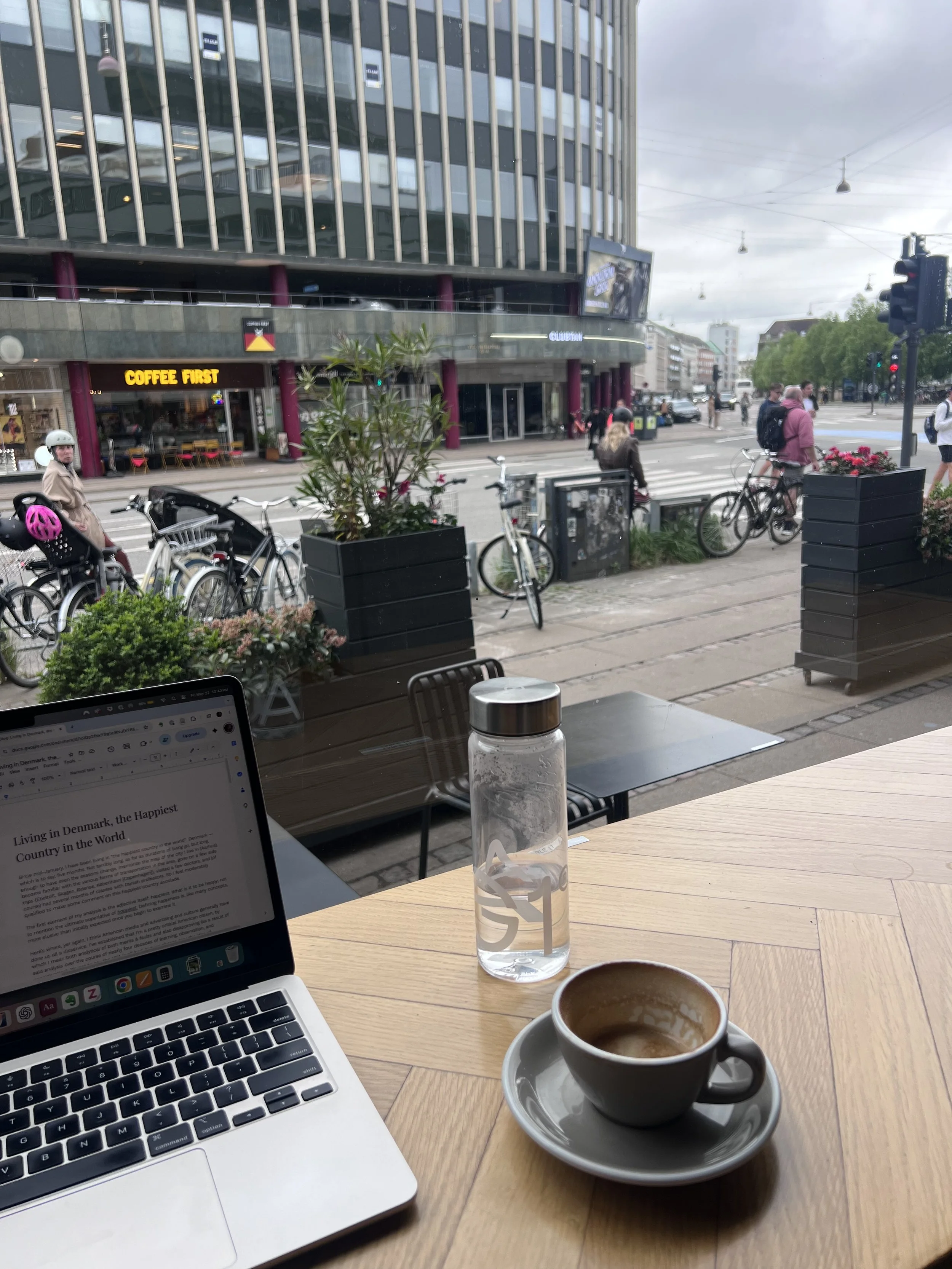
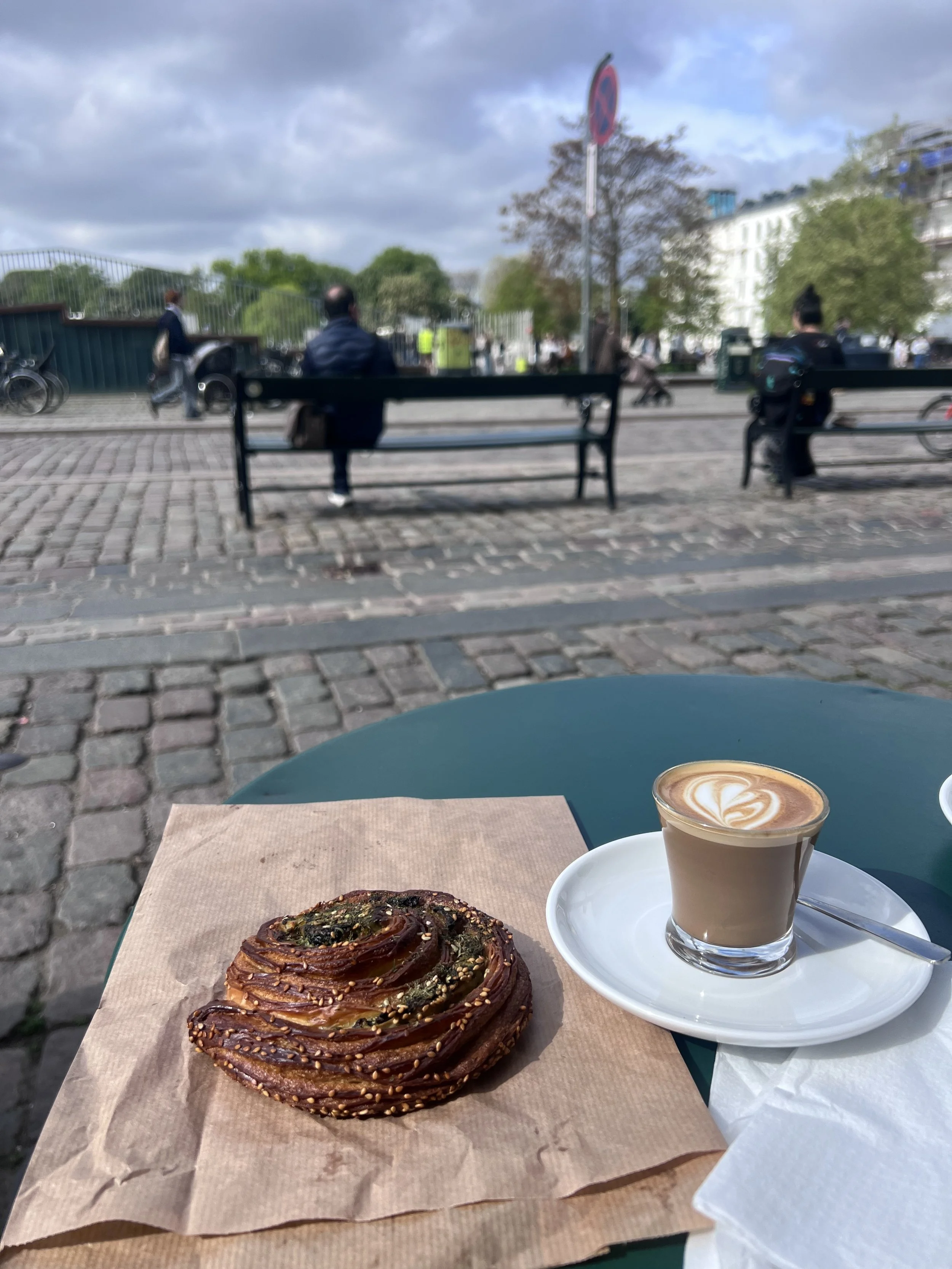
Written in one go, listening to “the narrator” in my mind as I was sitting in a cafe in Copenhagen watching people on the street, thinking about recently seeing social media posts about “the happiest” cities and countries in the world, both of which featured Denmark, Copenhagen, and Aarhus.
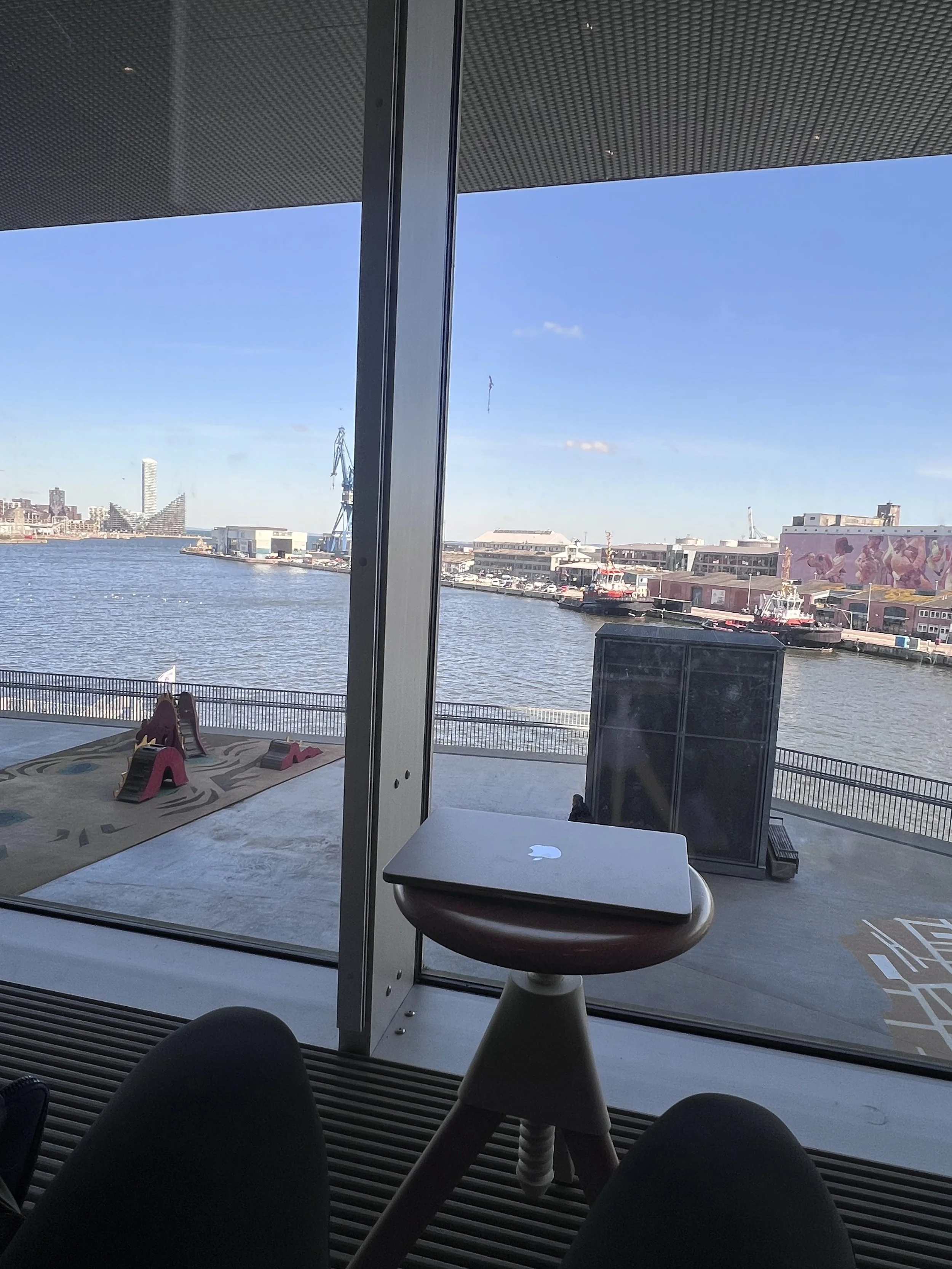
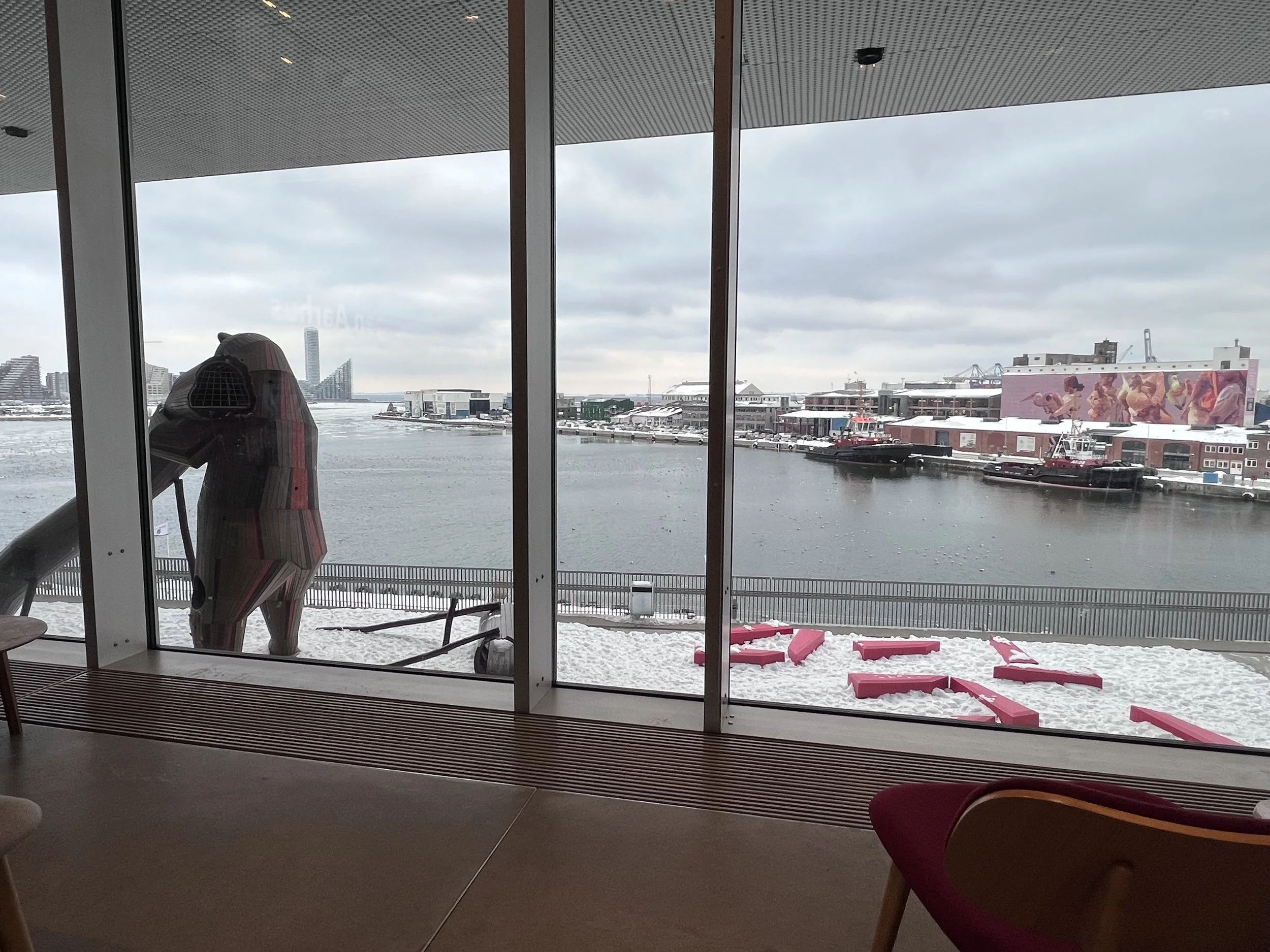
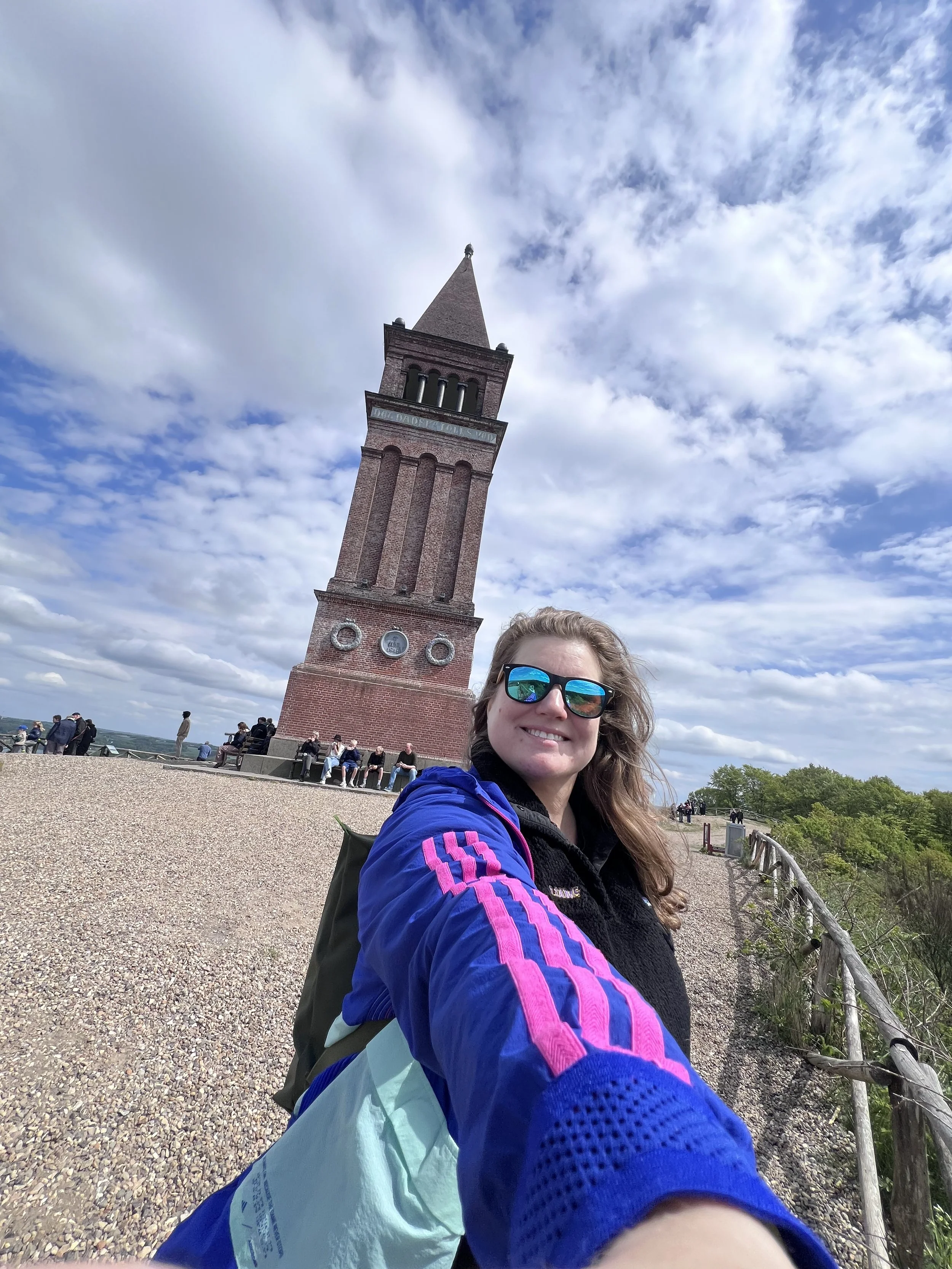
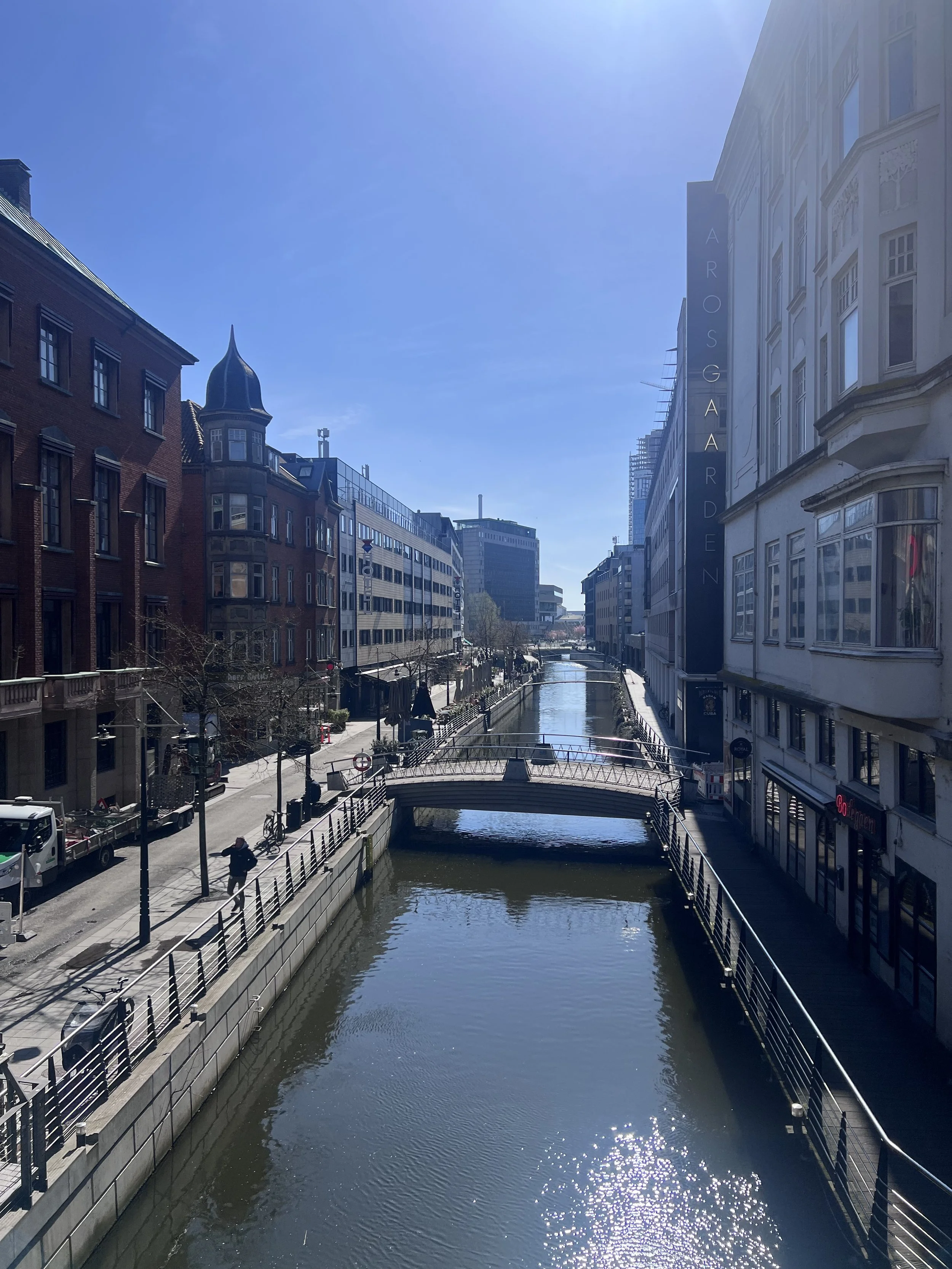
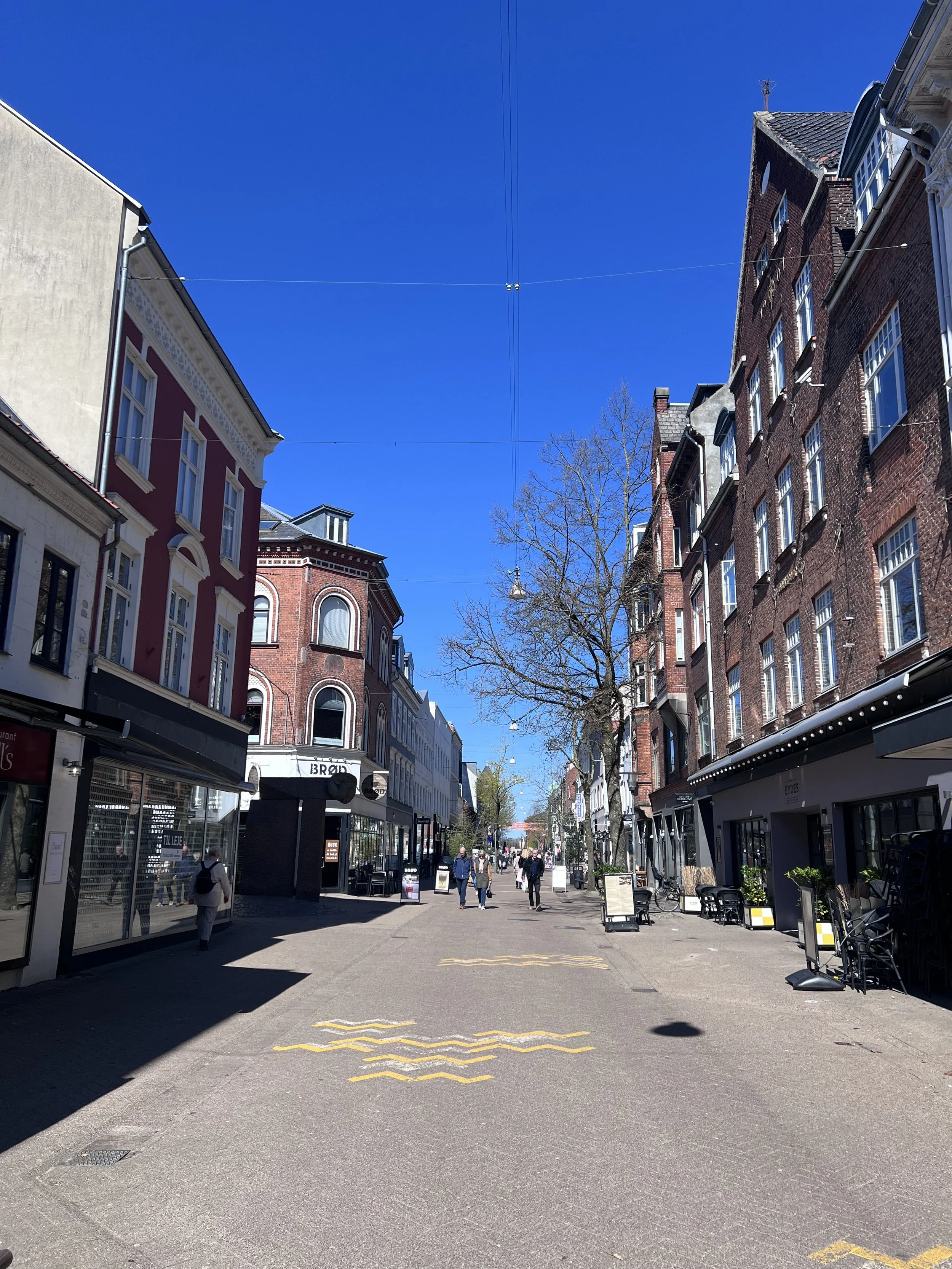
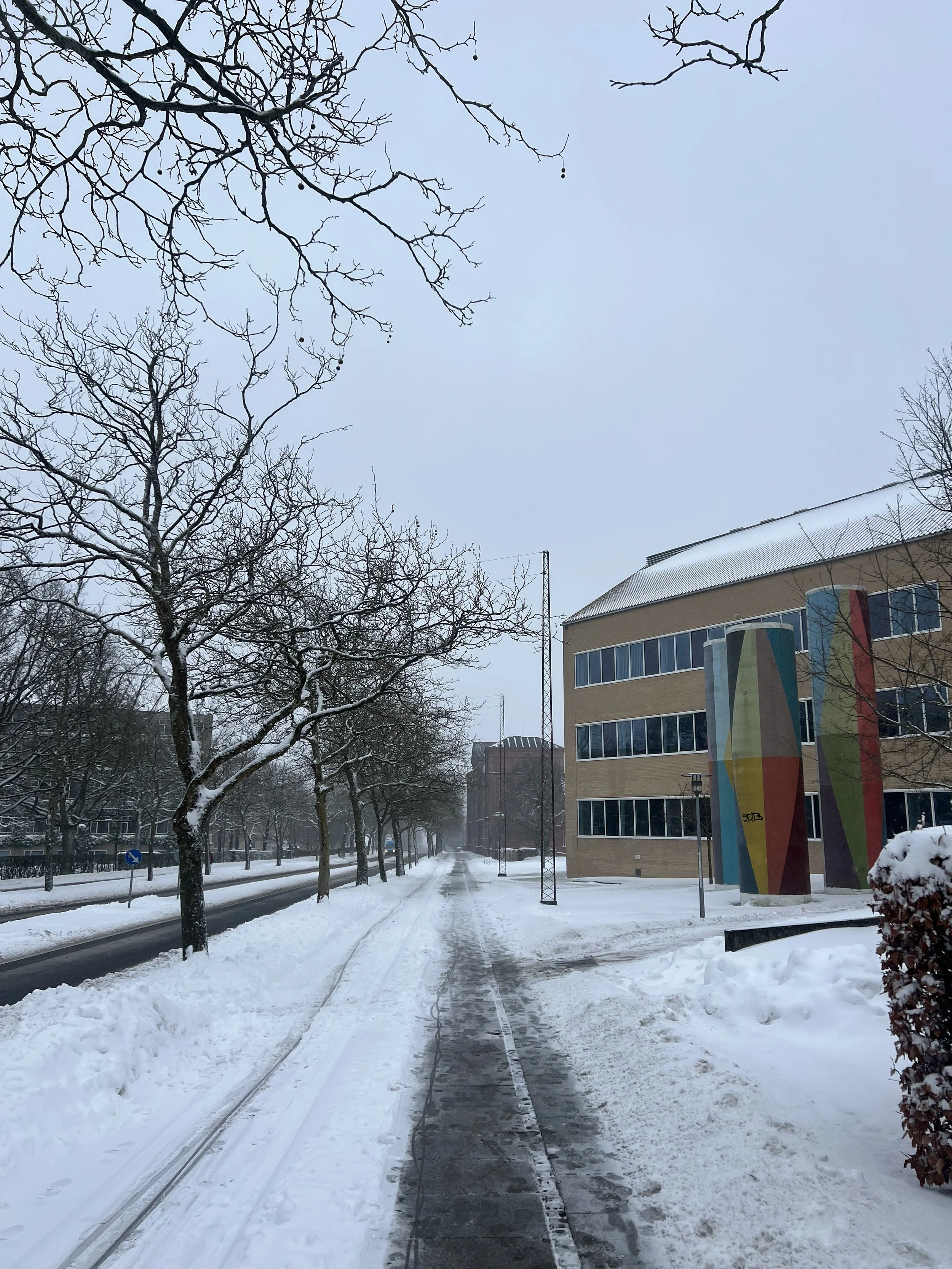
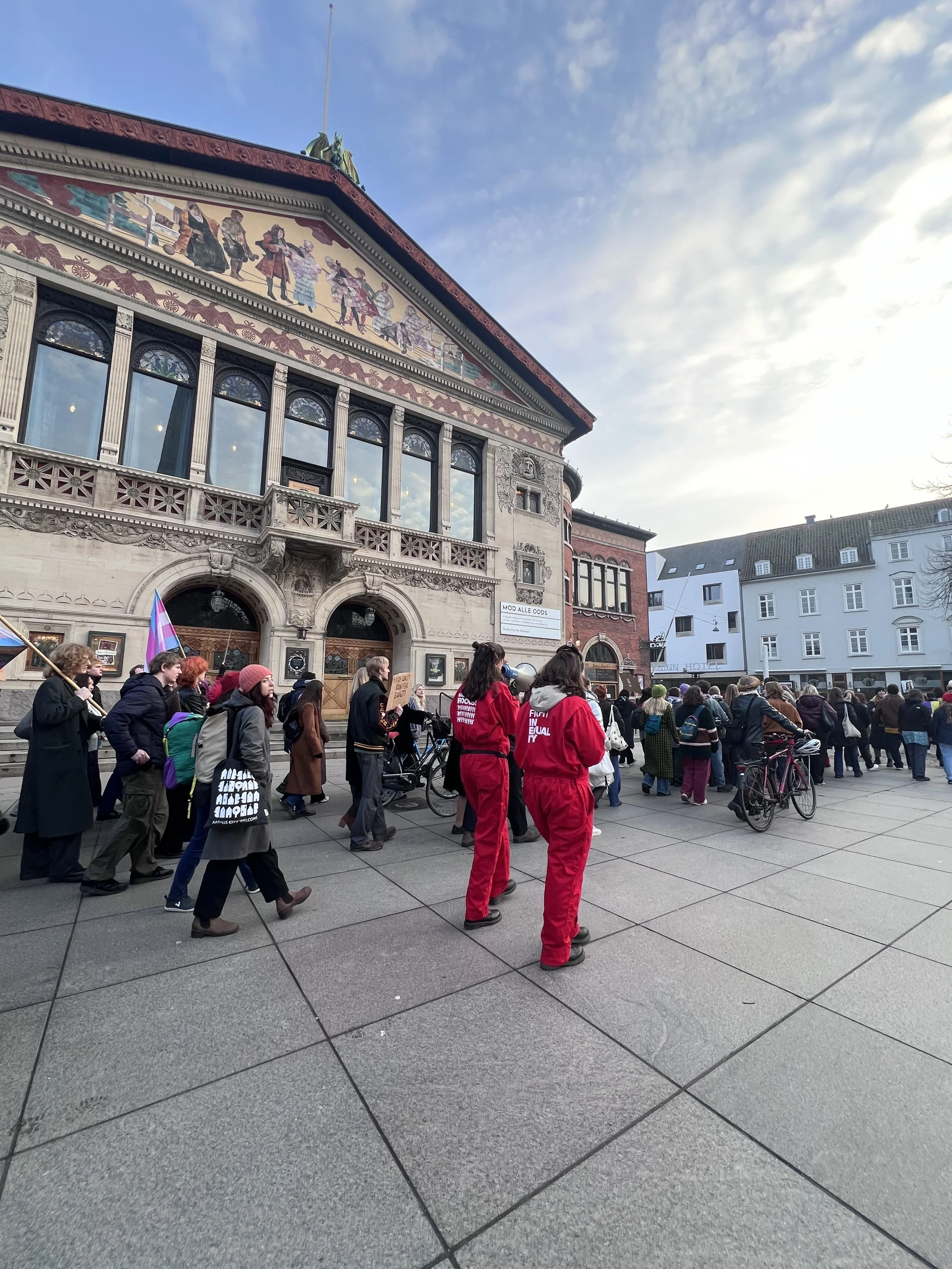
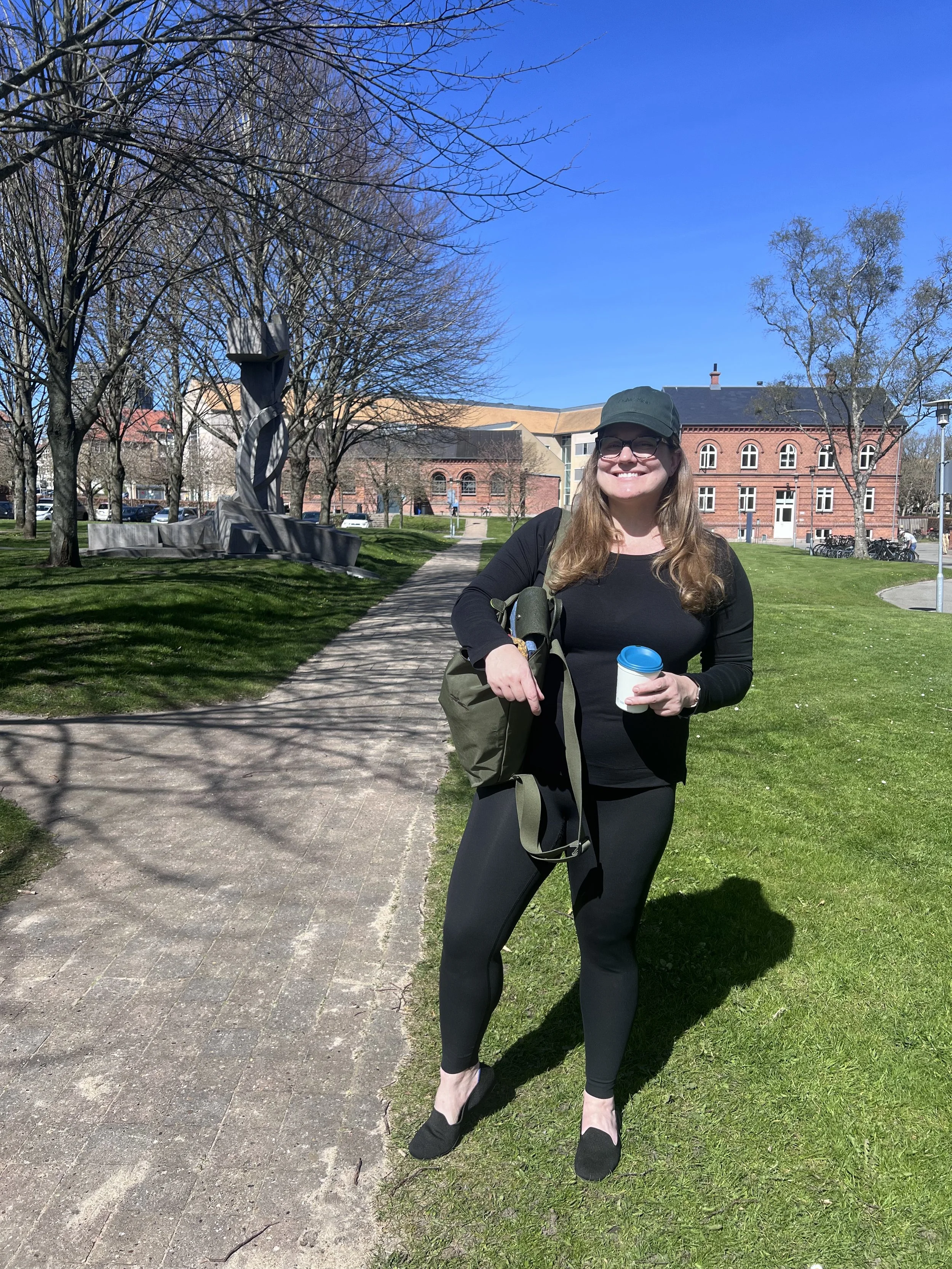
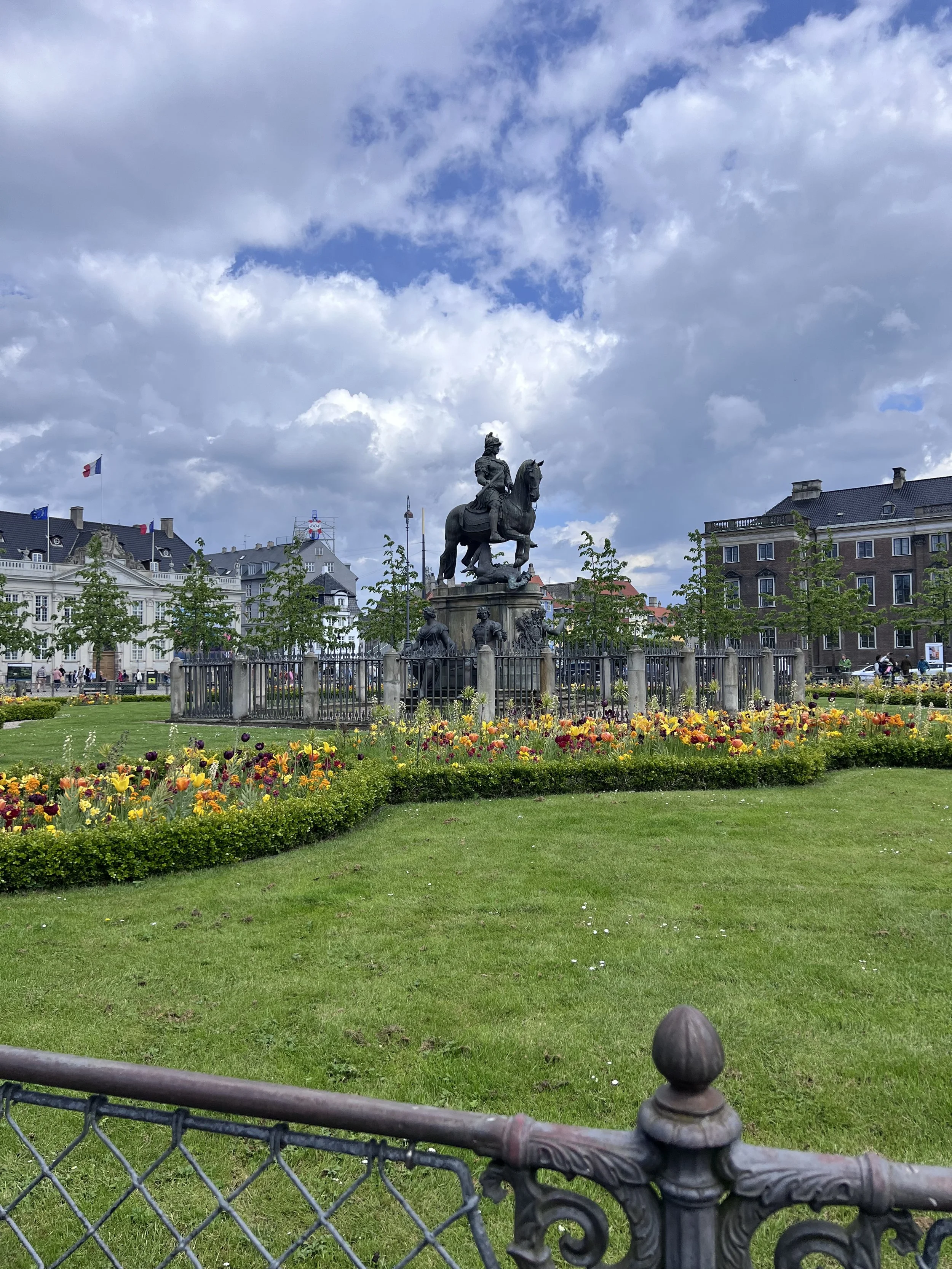
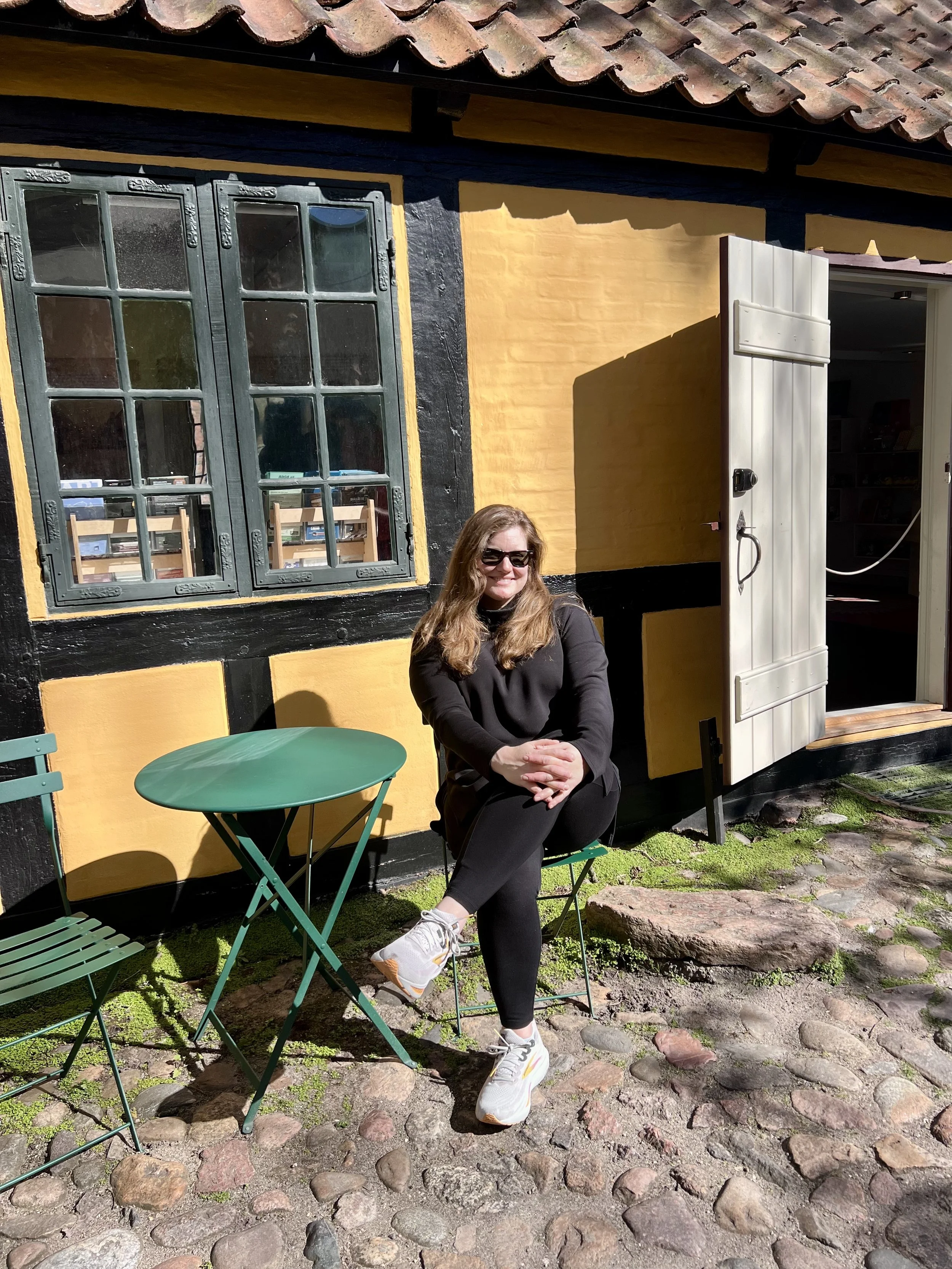
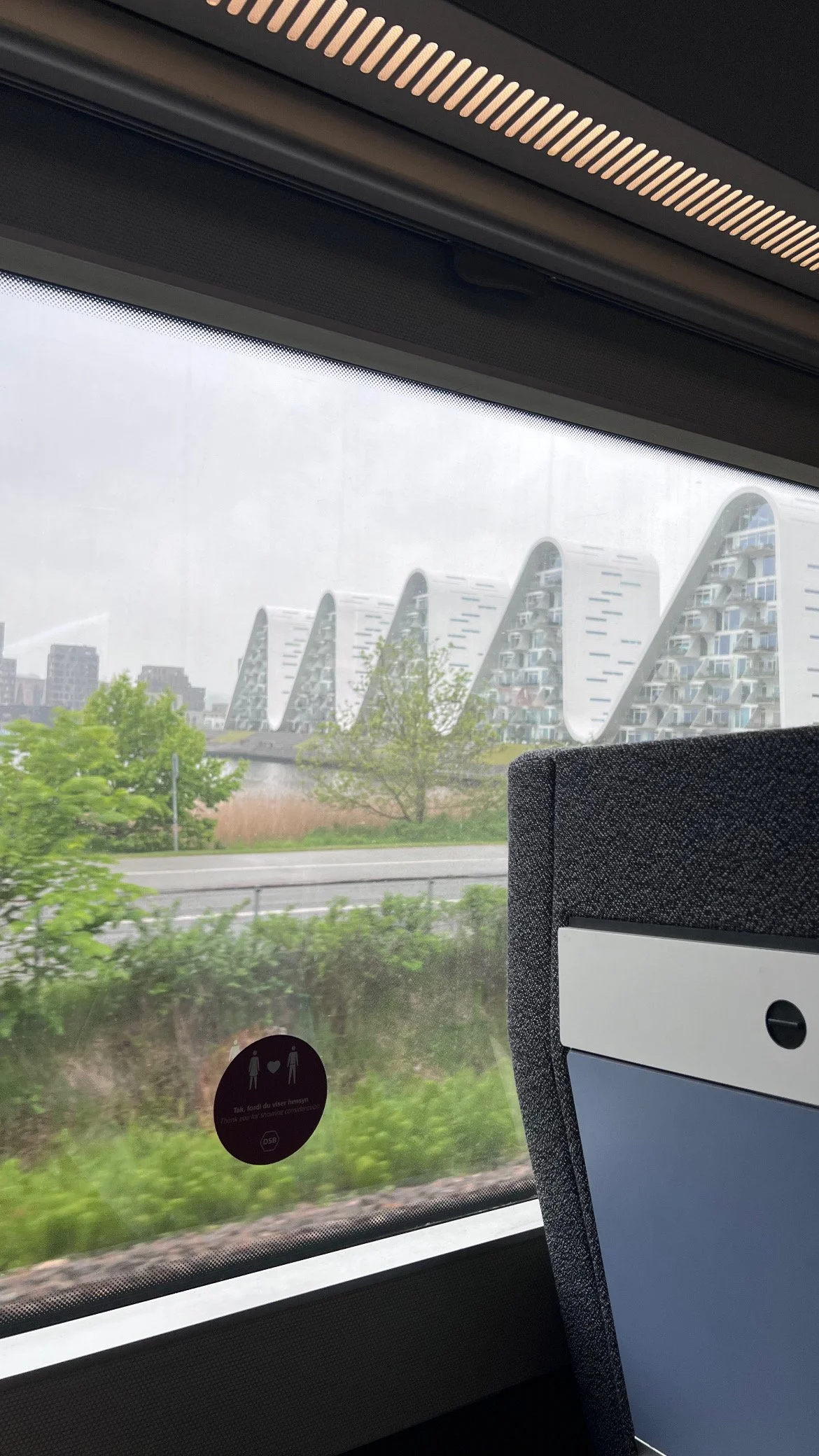
Since mid-January, I have been living in “the happiest country in the world”: Denmark — which is to say, five months. Not terribly long, as far as durations of living go, but long enough to have seen the seasons change, memorize the map of the city I live in (Aarhus), become familiar with the various forms of transportation in the area, gone on a few side trips (Ebeltoft, Skagen, Ødense, København [Copenhagen]), visited a few doctors, and (of course) had several months of classes with Danish professors. So I feel moderately qualified to make some comment on this happiest country accolade.
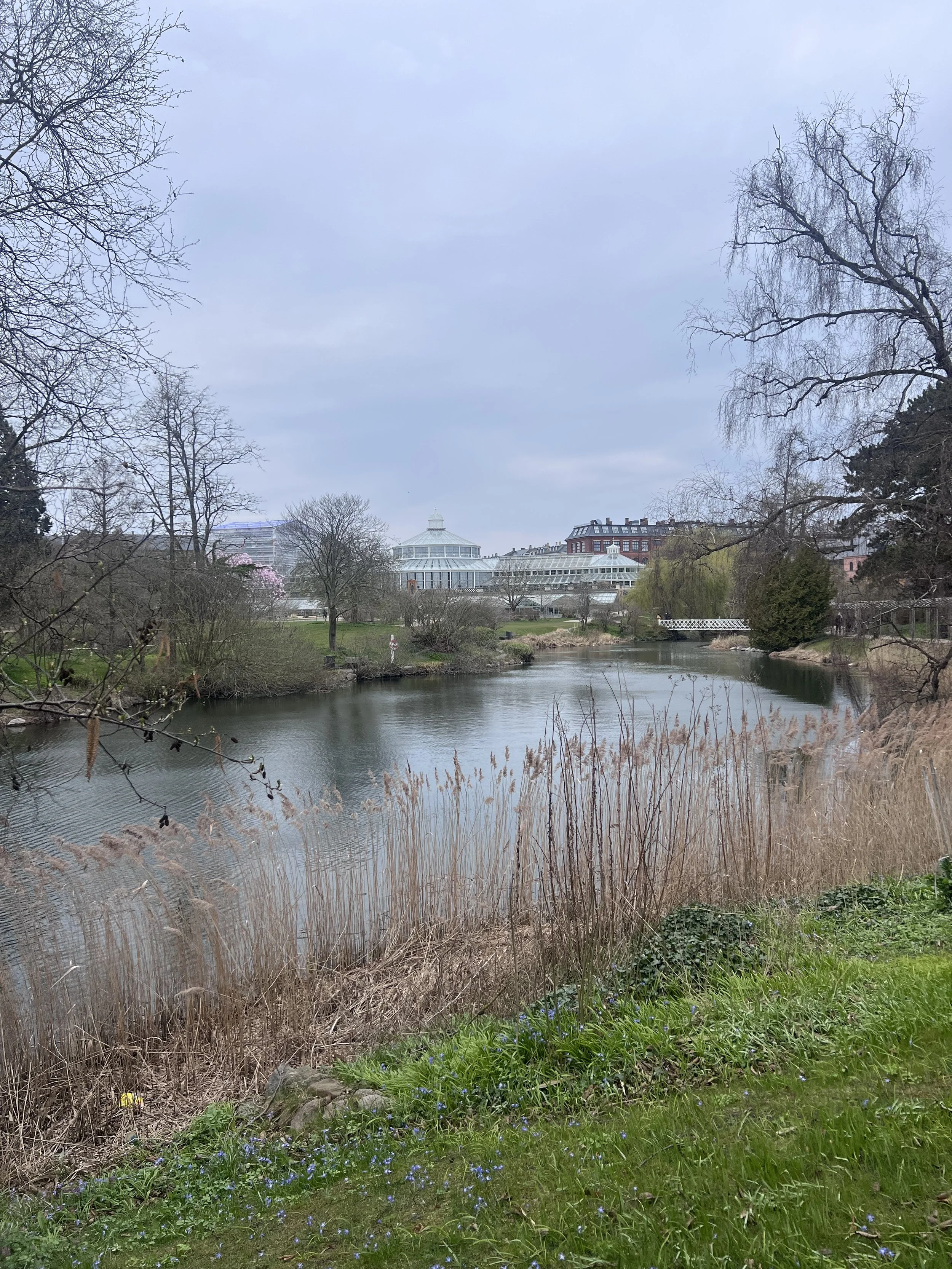
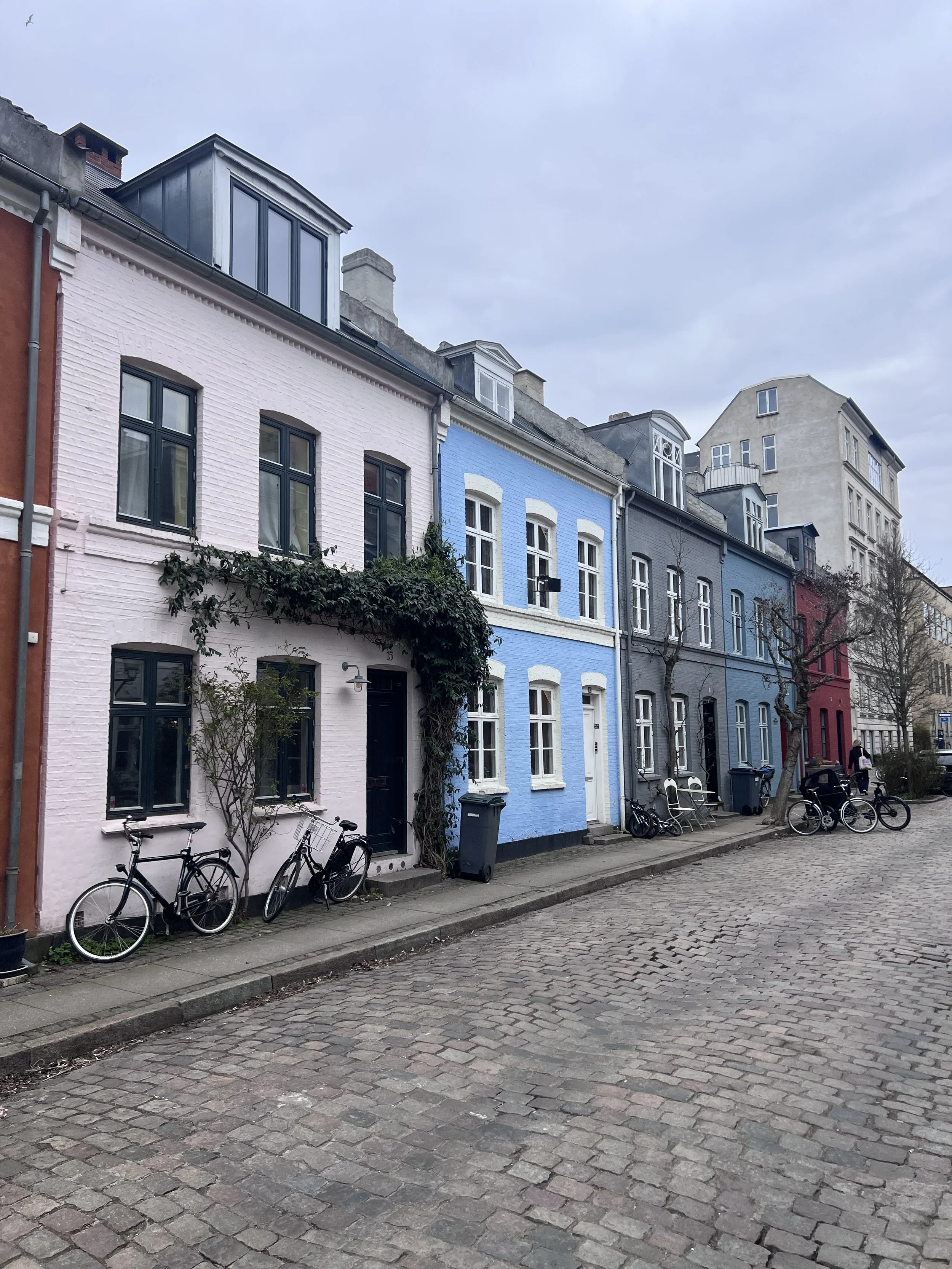
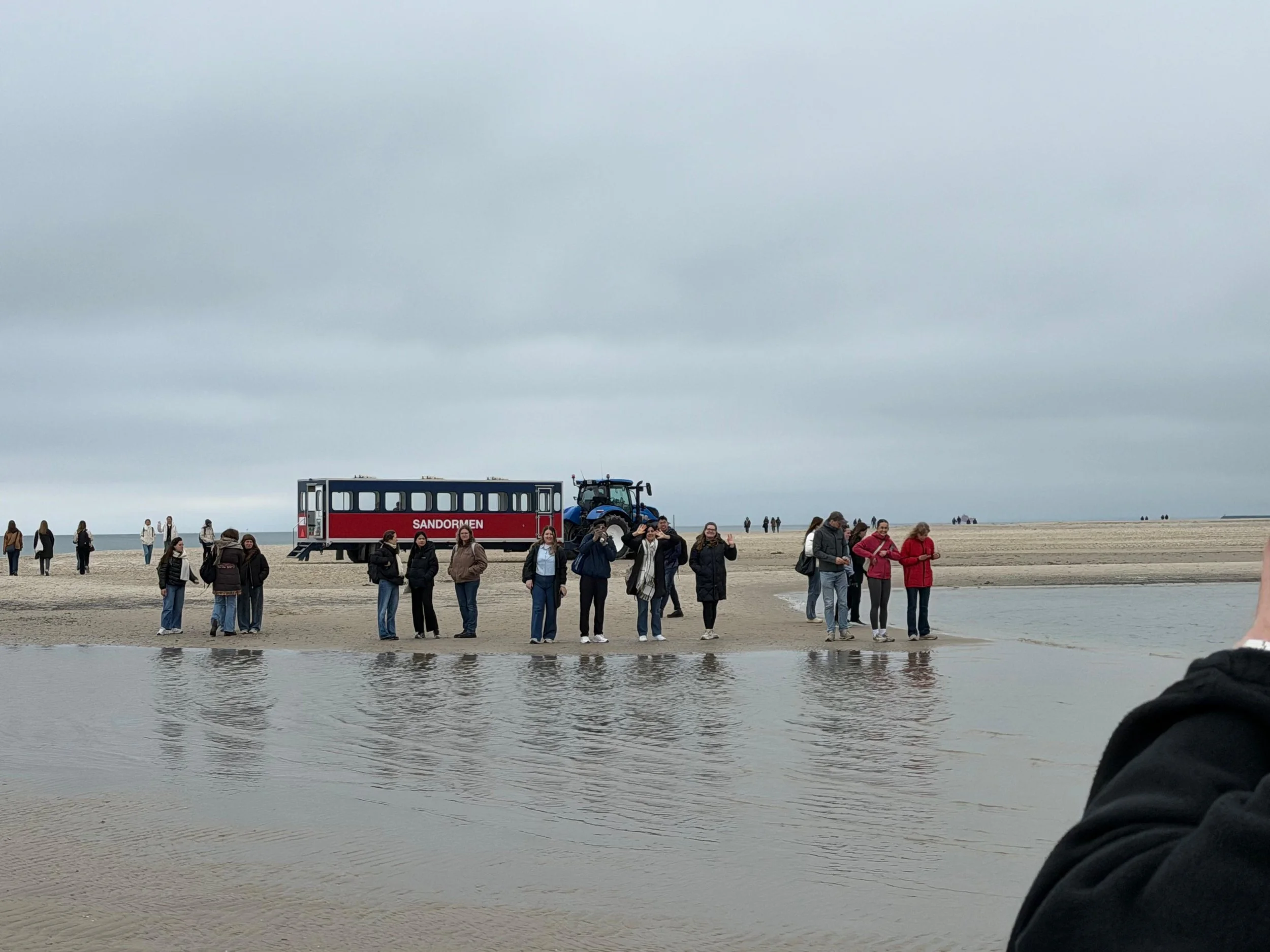
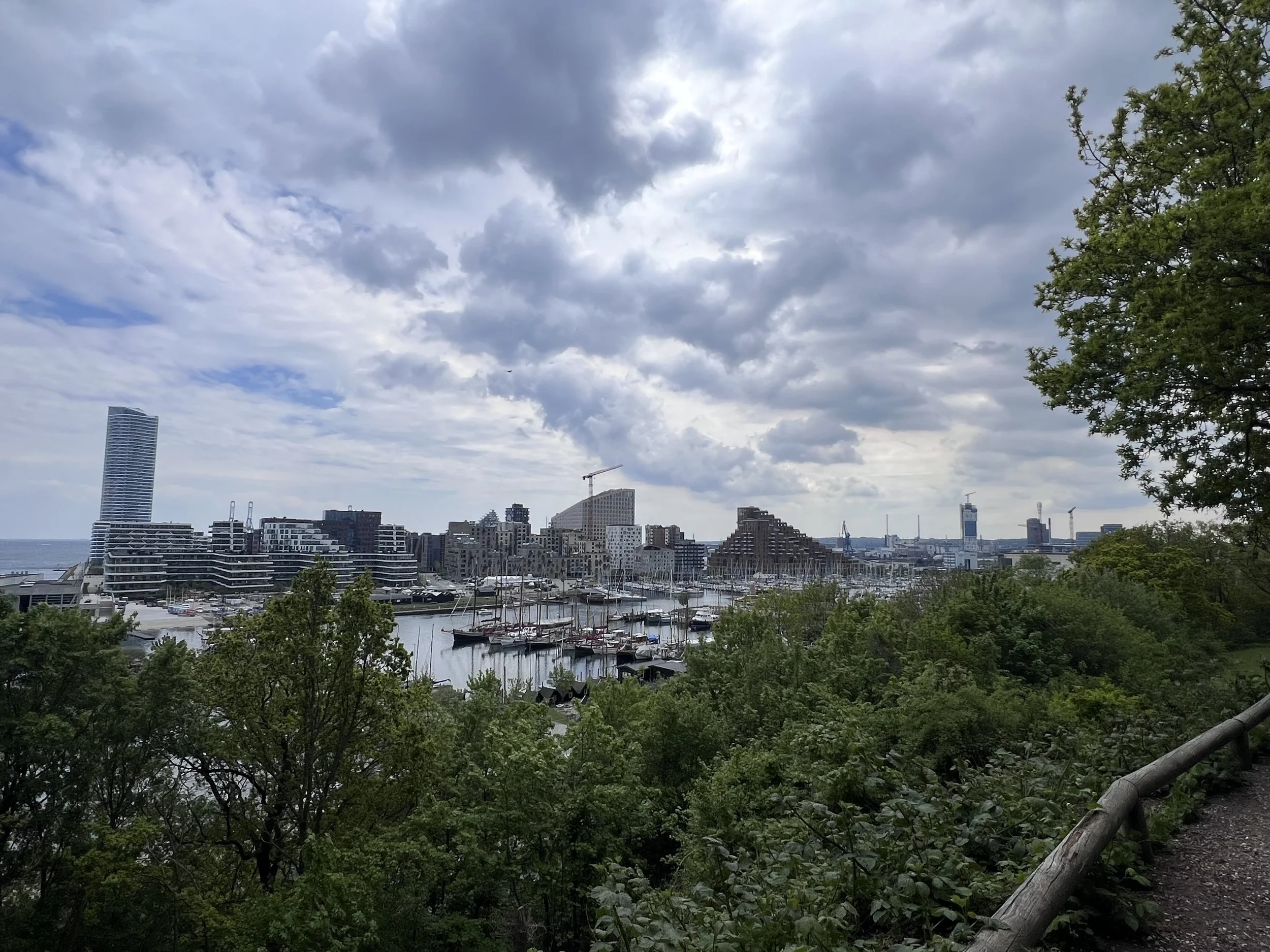
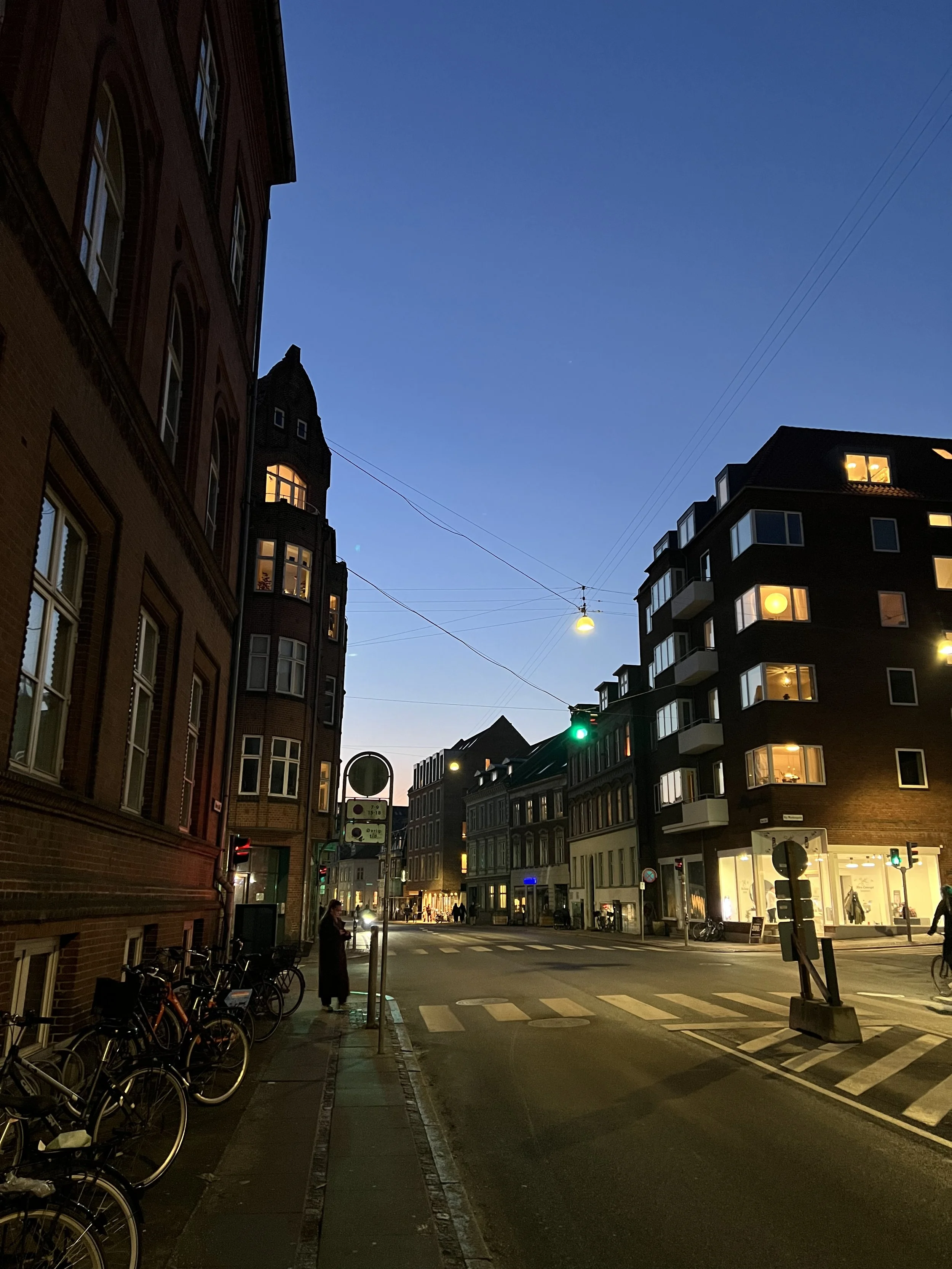
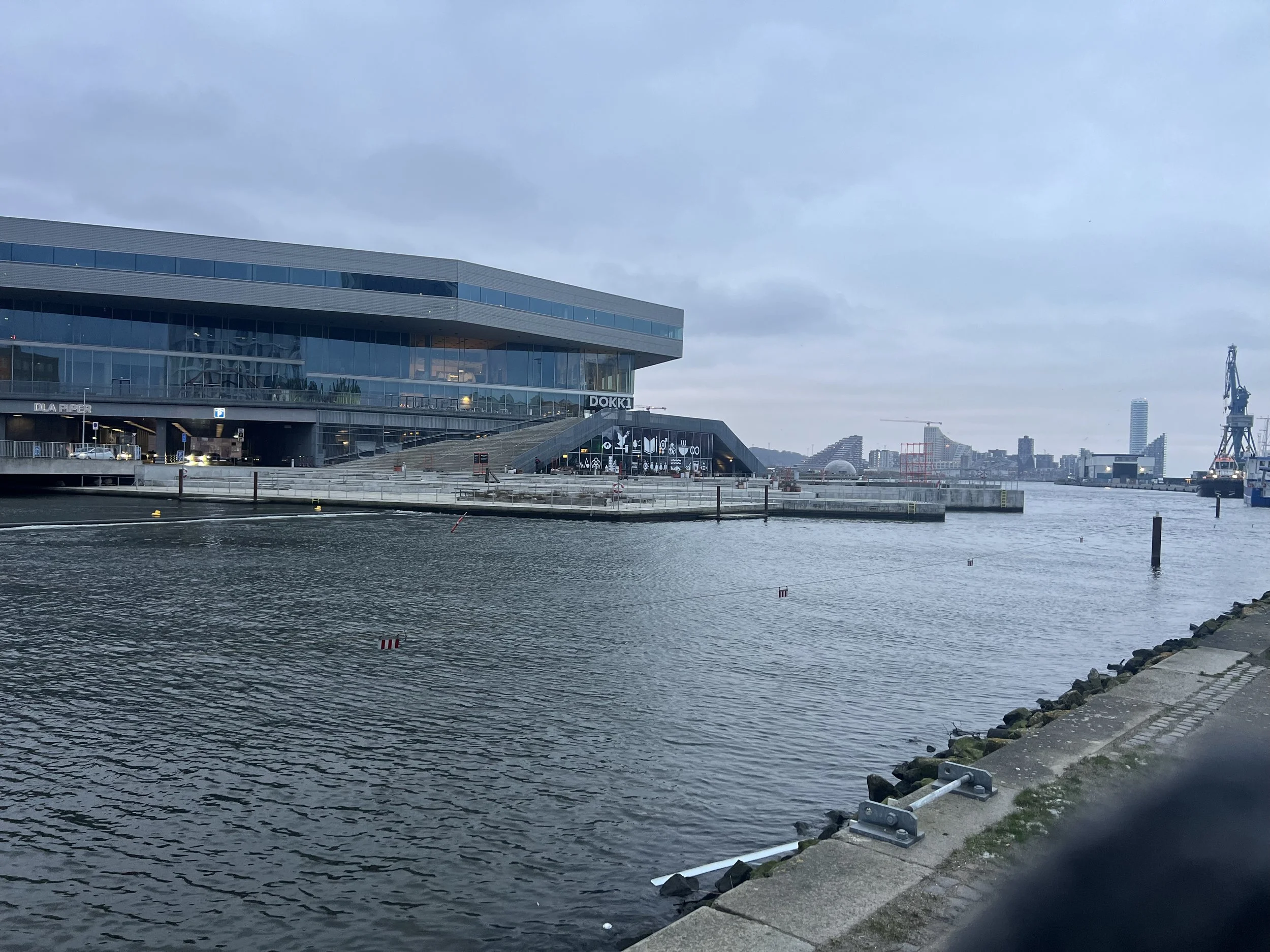
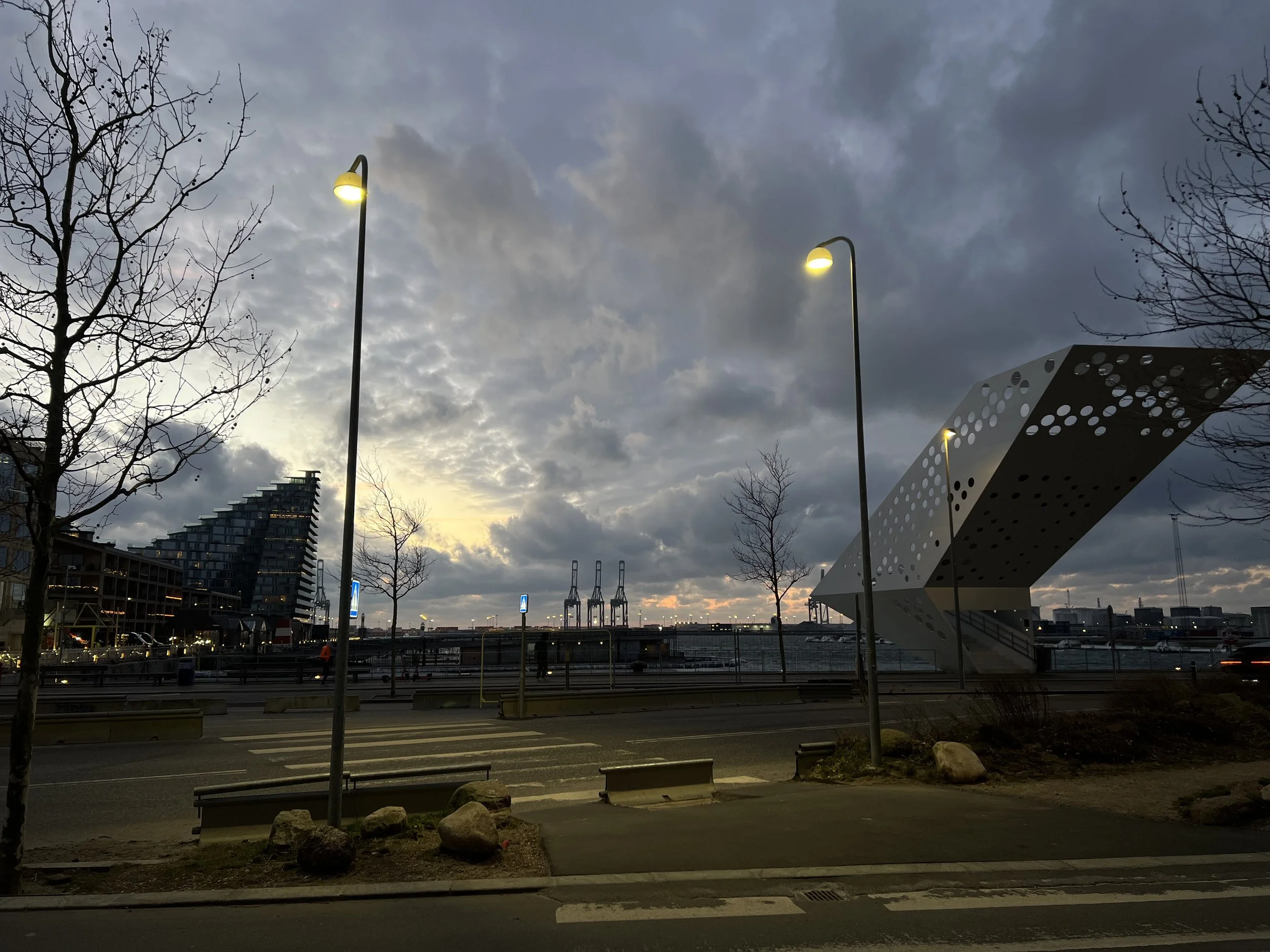
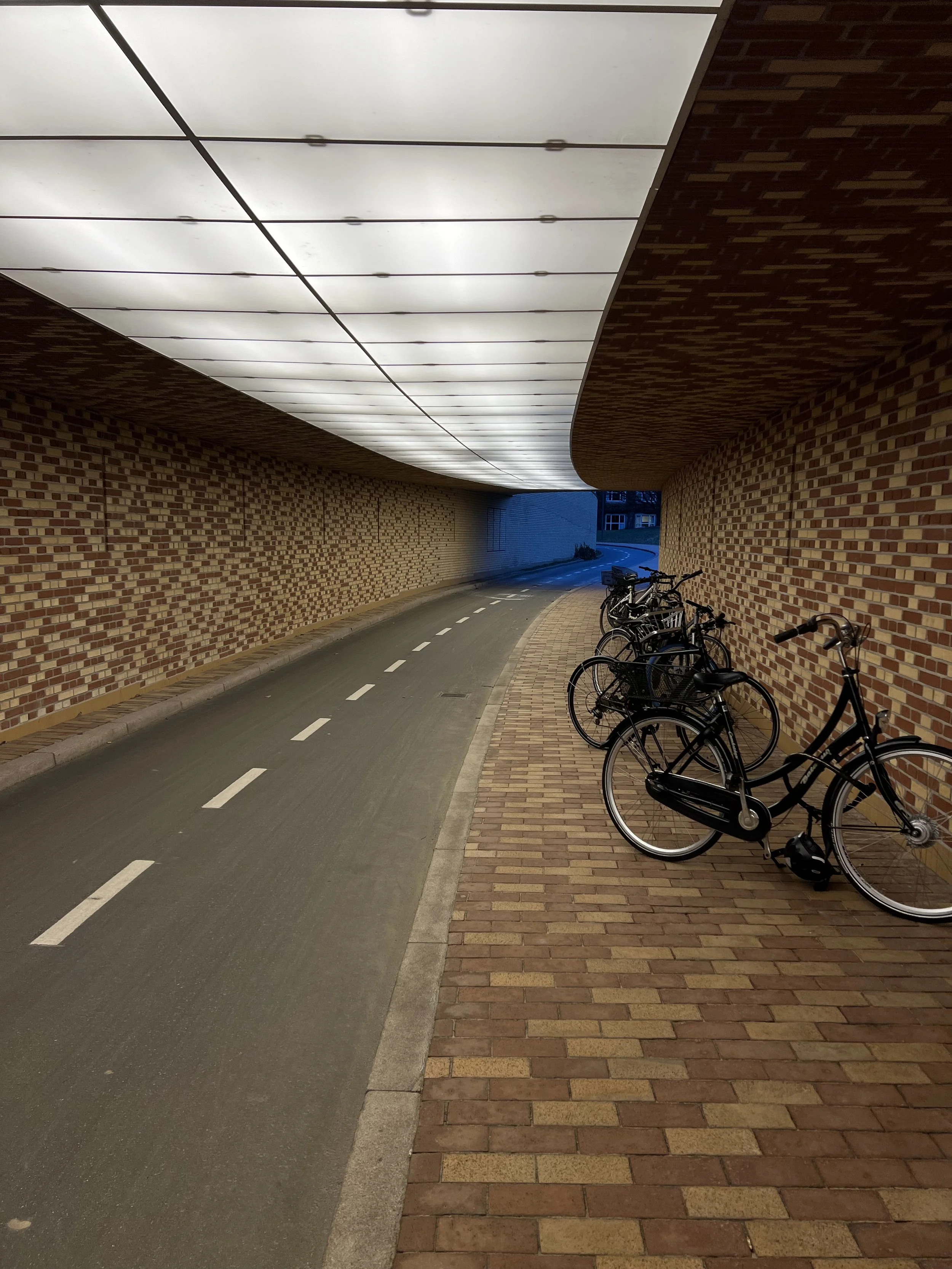
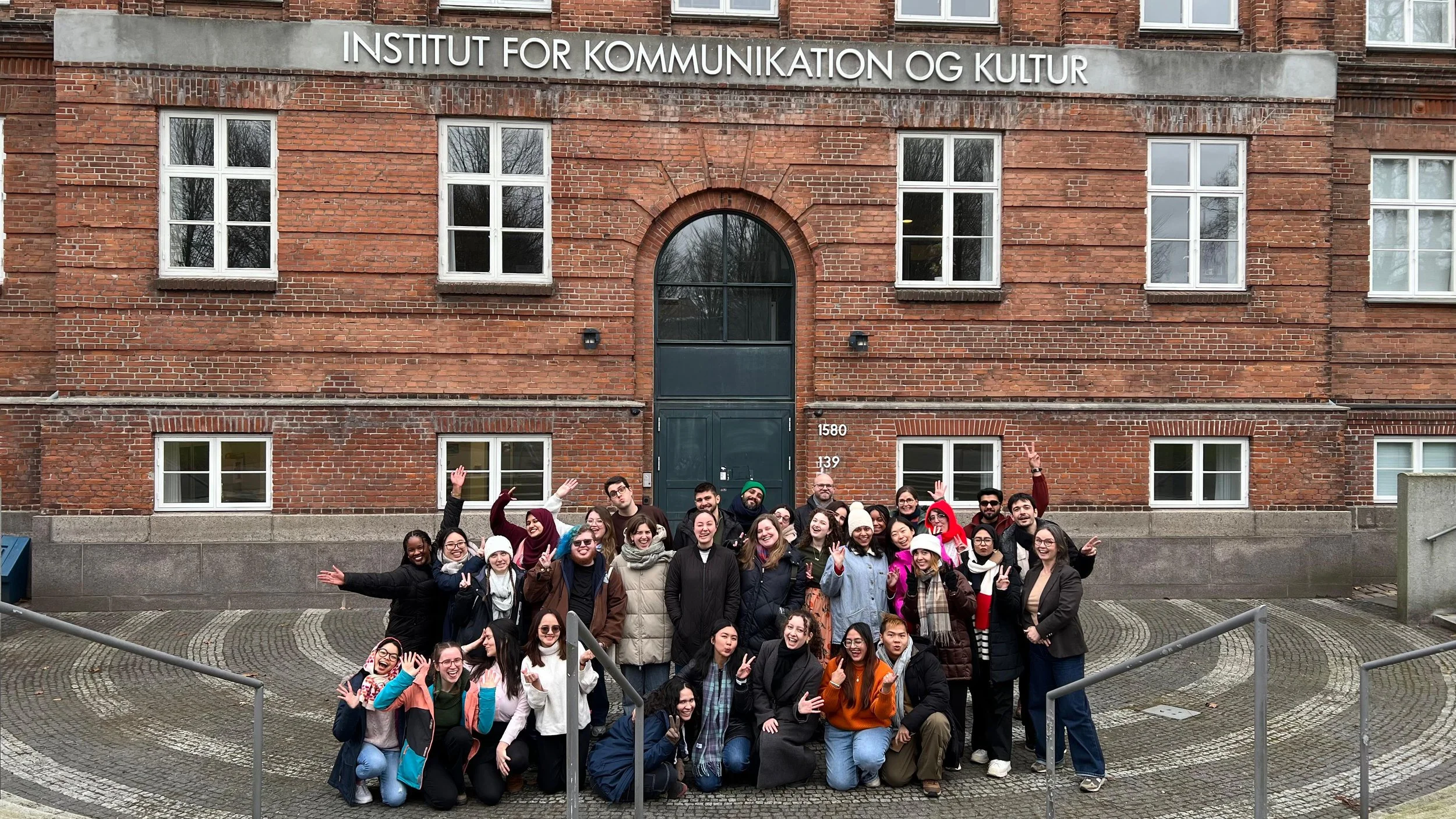
The first element of my analysis is the adjective itself: happiest. What is it to be happy, not to mention the ultimate superlative of happiest. Defining happiness is, like many concepts, more elusive than initially expected once you begin to examine it.
Here’s where, yet again, I think American media and advertising and culture generally have done us all a disservice. I’ve established that I’m a pretty critical American citizen, by which I mean both analytical of both merits & faults and also disapproving (as a result of said analysis over the course of nearly four decades of learning, observation, and consideration). It’s not to say the USA is all bad, but we obsess over the idea of individualism to our own detriment on every level and scale.
Alongside that, we let ourselves be persuaded and manipulated by selfish, greedy individuals into believing and acting against our own collective and personal interests. So the game we play and the goal we chase is often branded a kind of happiness but instead is something far less satisfying and also an endless black hole that we can never fill.
Get to the point, Katherine!
What is happiness? What is it similar to but distinct from? What is it the opposite of?
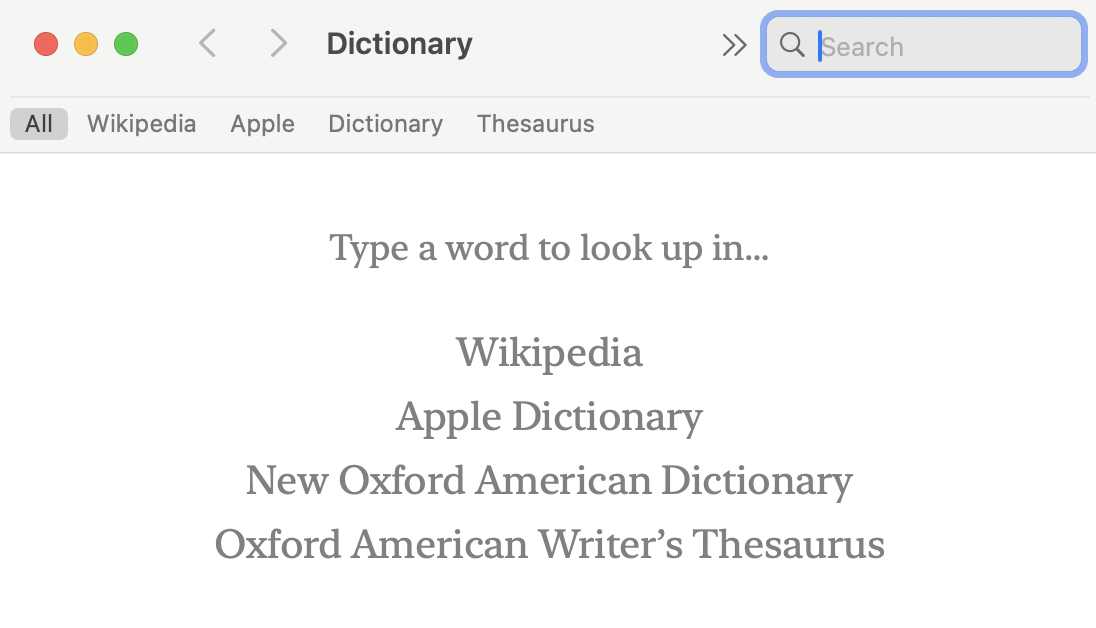
So I consult one of my dearest resources: the Oxford American Dictionary app on my computer (pre-installed! 10/10 recommend):
Happy:
pleasure or contentment
confidence or satisfaction
fortunate and convenient
Origin: Middle English (in the sense ‘lucky’)
Joy / delight: great pleasure
Content peaceful
Satisfied: expectations met
Other synonyms include cheerful, merry, jolly, glad, lighthearted, radiant, in good spirits, euphoric, exhilarated, over the moon, jumping for joy…
Antonyms:
Unhappy
Sad: sorrowful, serious, regretful
Miserable: wretchedly unhappy or uncomfortable
Unfortunate: unlucky, unfavorable, suffering bad fortune
Here, woven into the threads of words and their relationship to each other, word parts, their histories, I find a niche where I think “happy” fits — though it can be used alongside increasingly zealous terms (on cloud nine, walking on air, tickled to death!!), it seems to more accurately describe something calmer, the moments that we are tortured not by misfortune nor loss, when our needs have been met, and we settle into peace and pleasure.
This happiness is not loud, raucous glee (though that is wonderful in its moments), nor is it a high-strung status to be maintained through the clenched fist of control. It is not something easily advertised because it may not look like much, and it relies on much more than one individual acquisition.
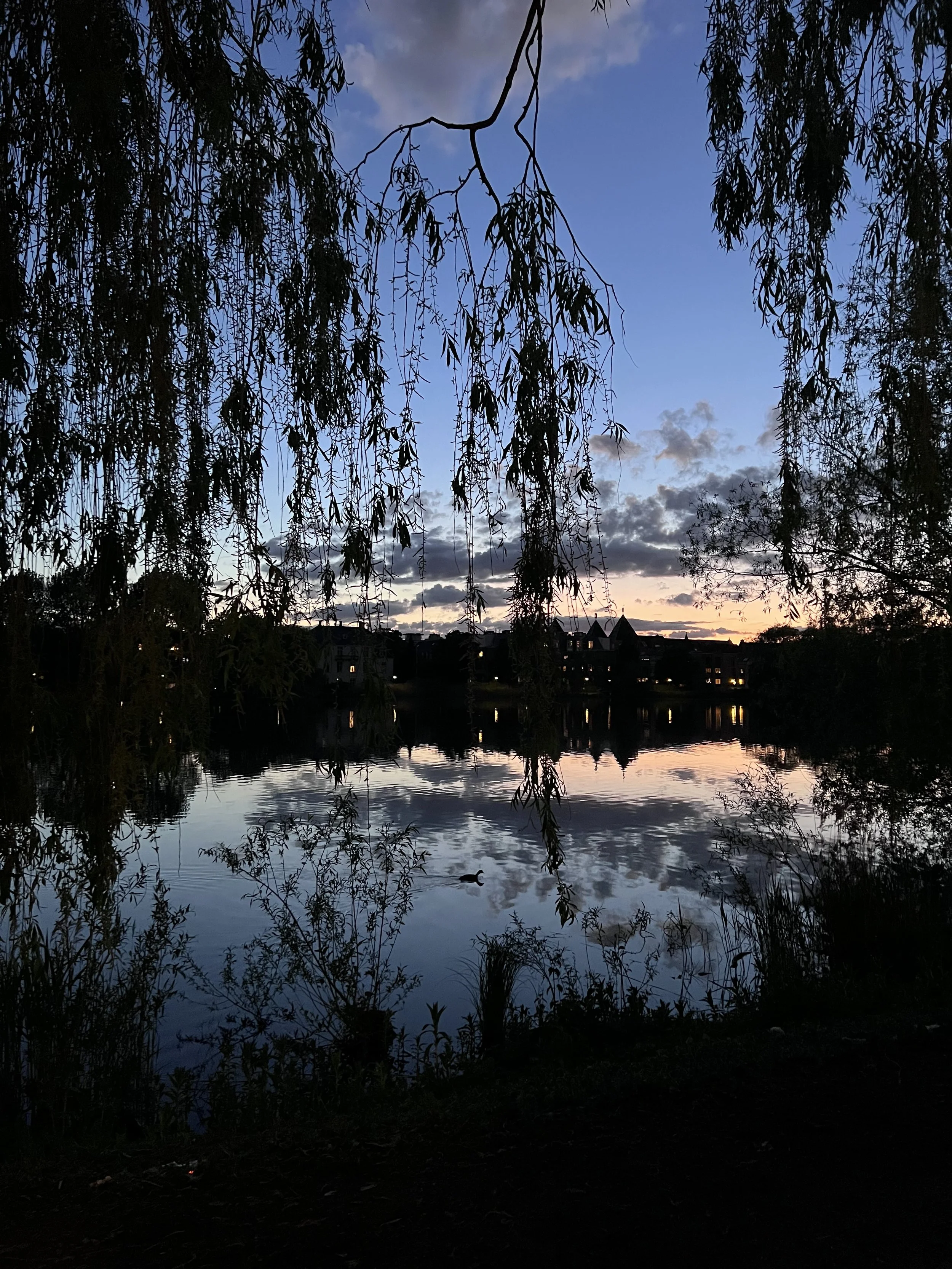
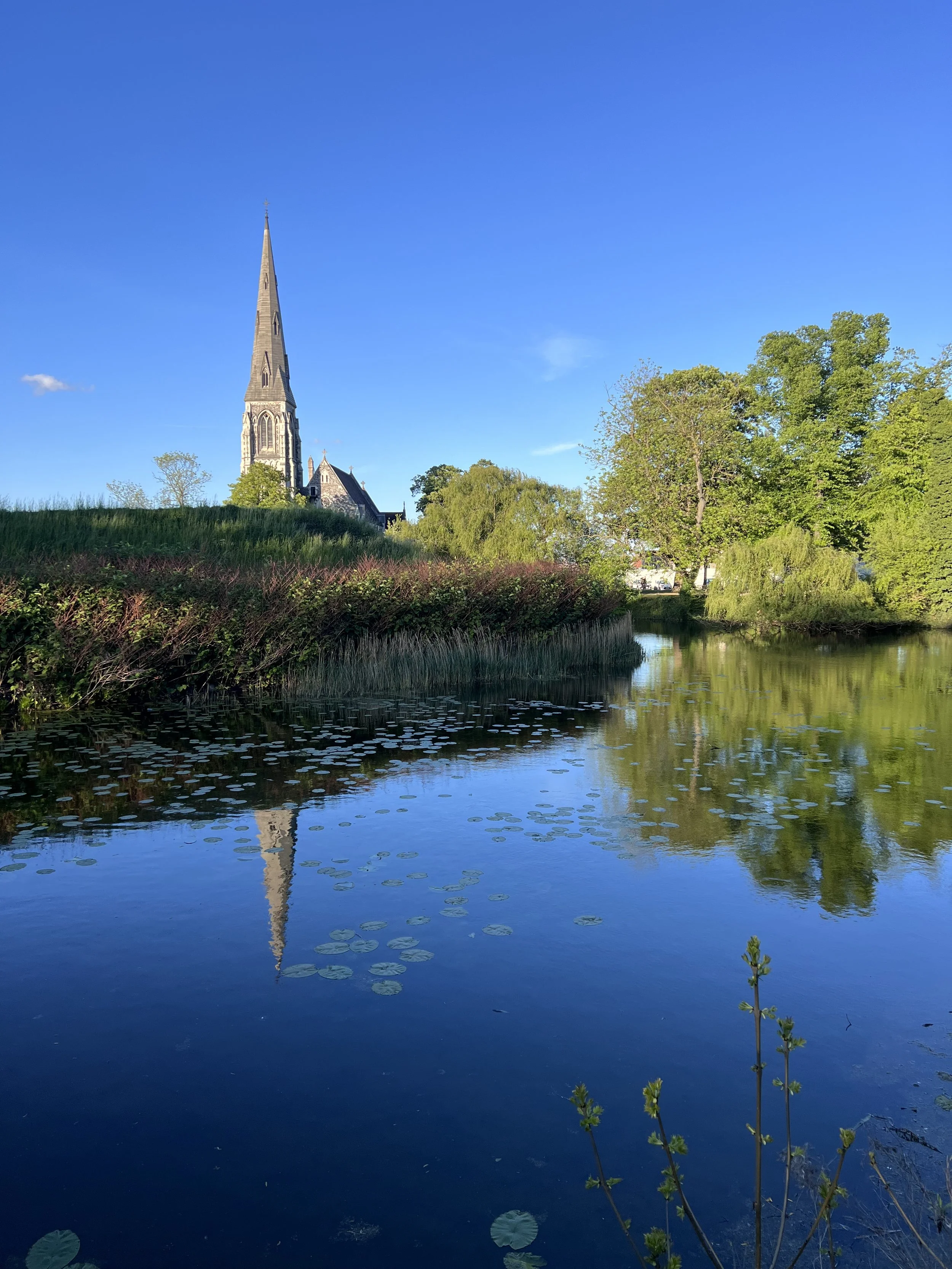
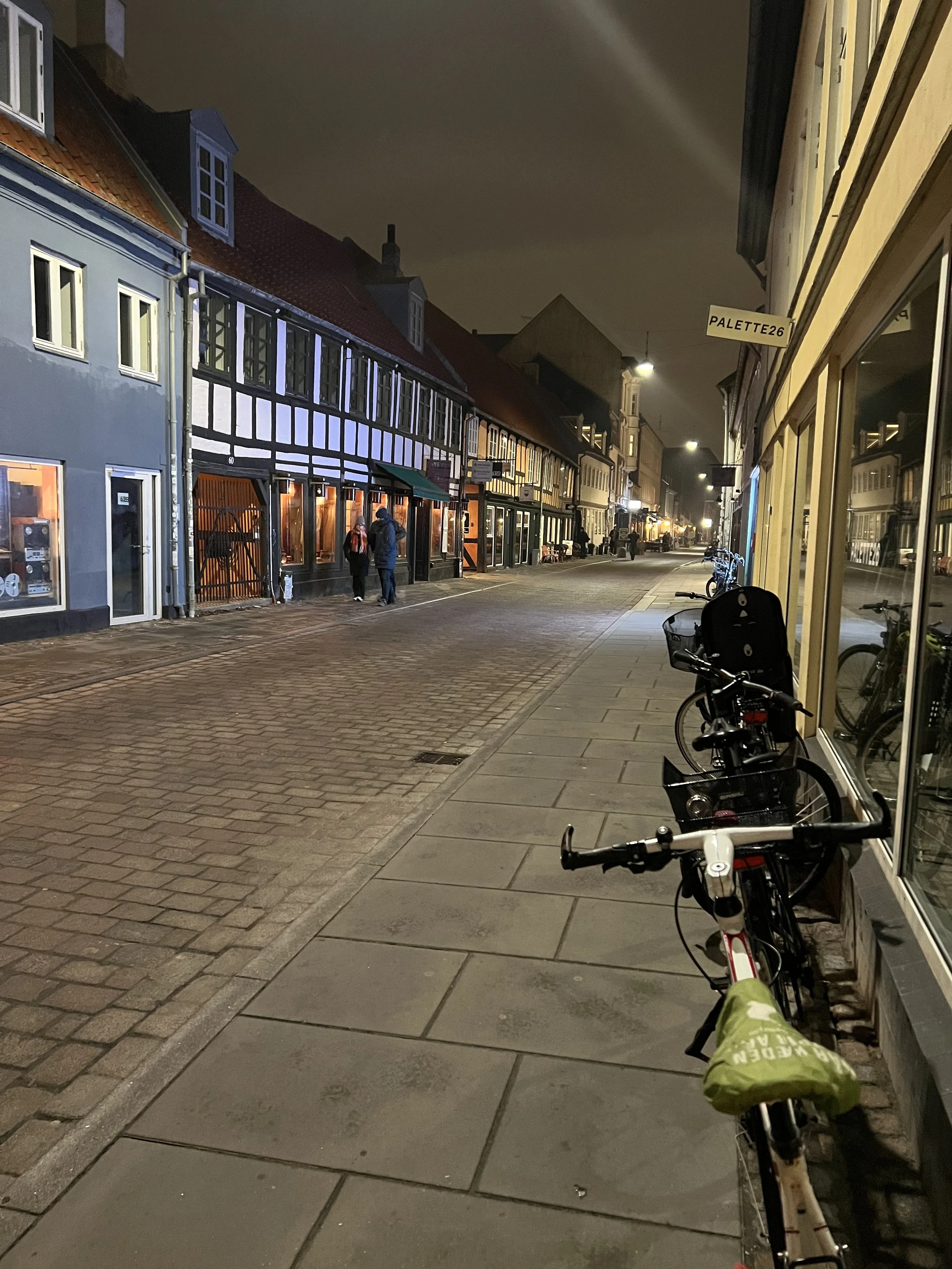
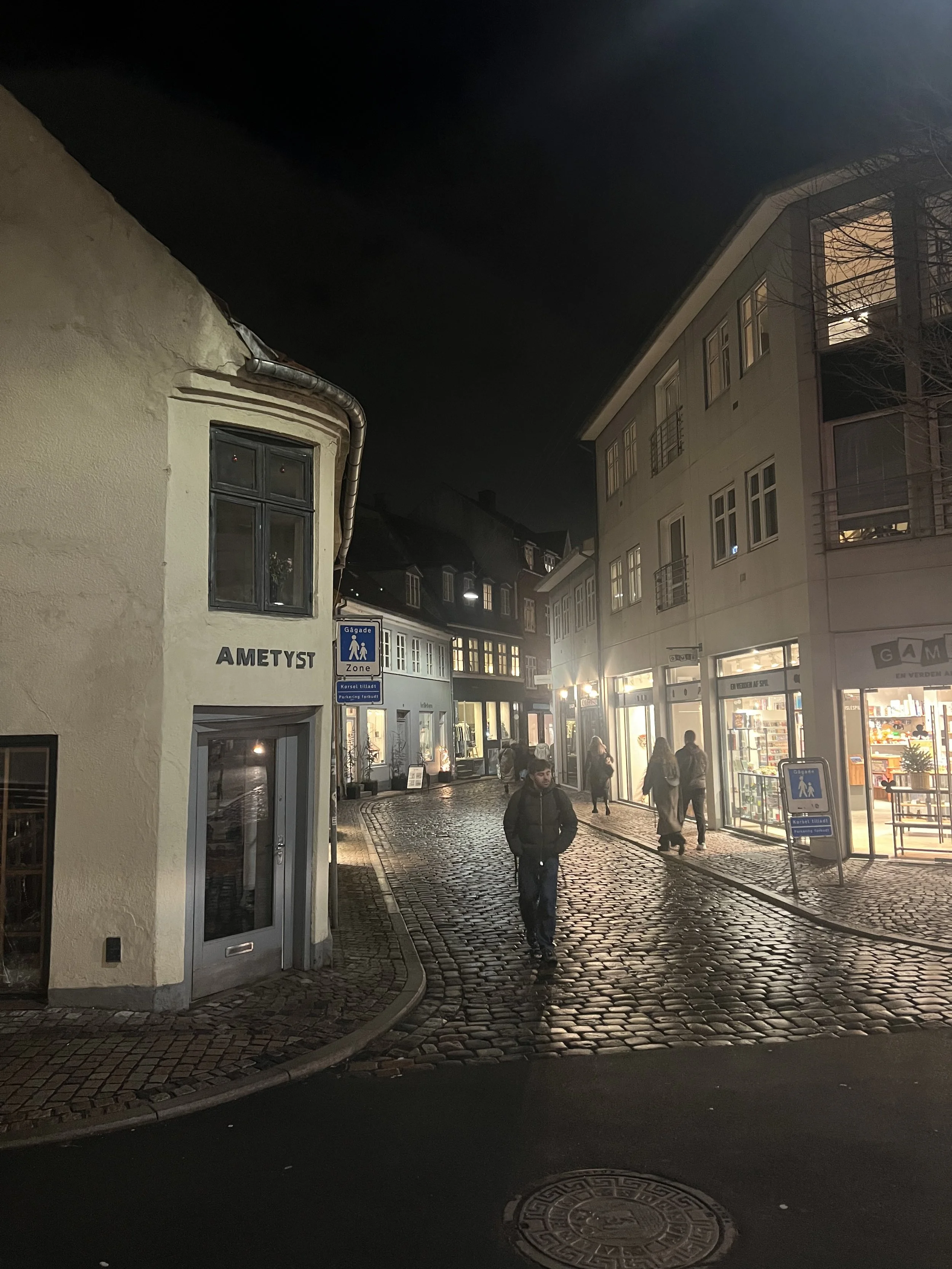
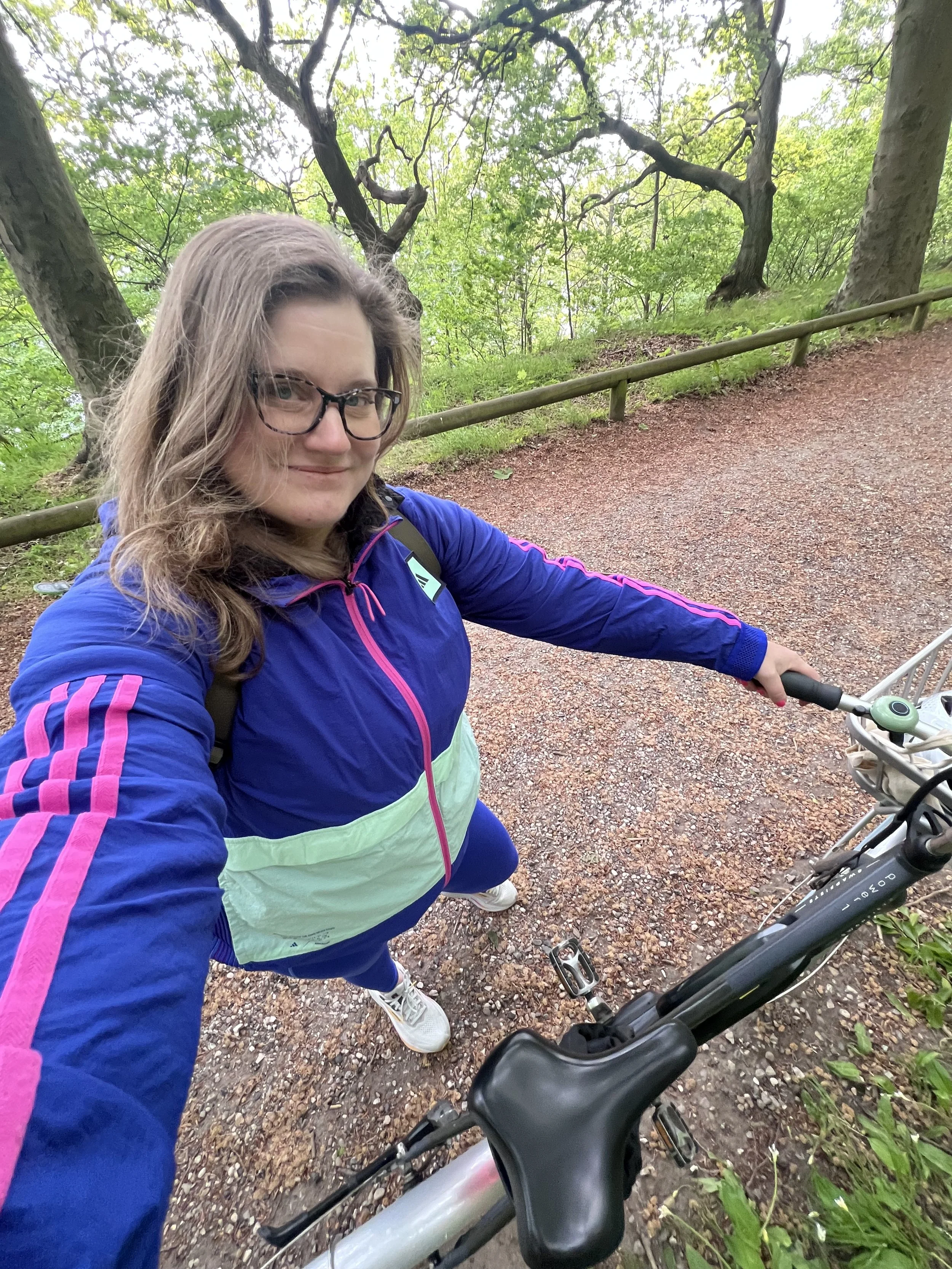
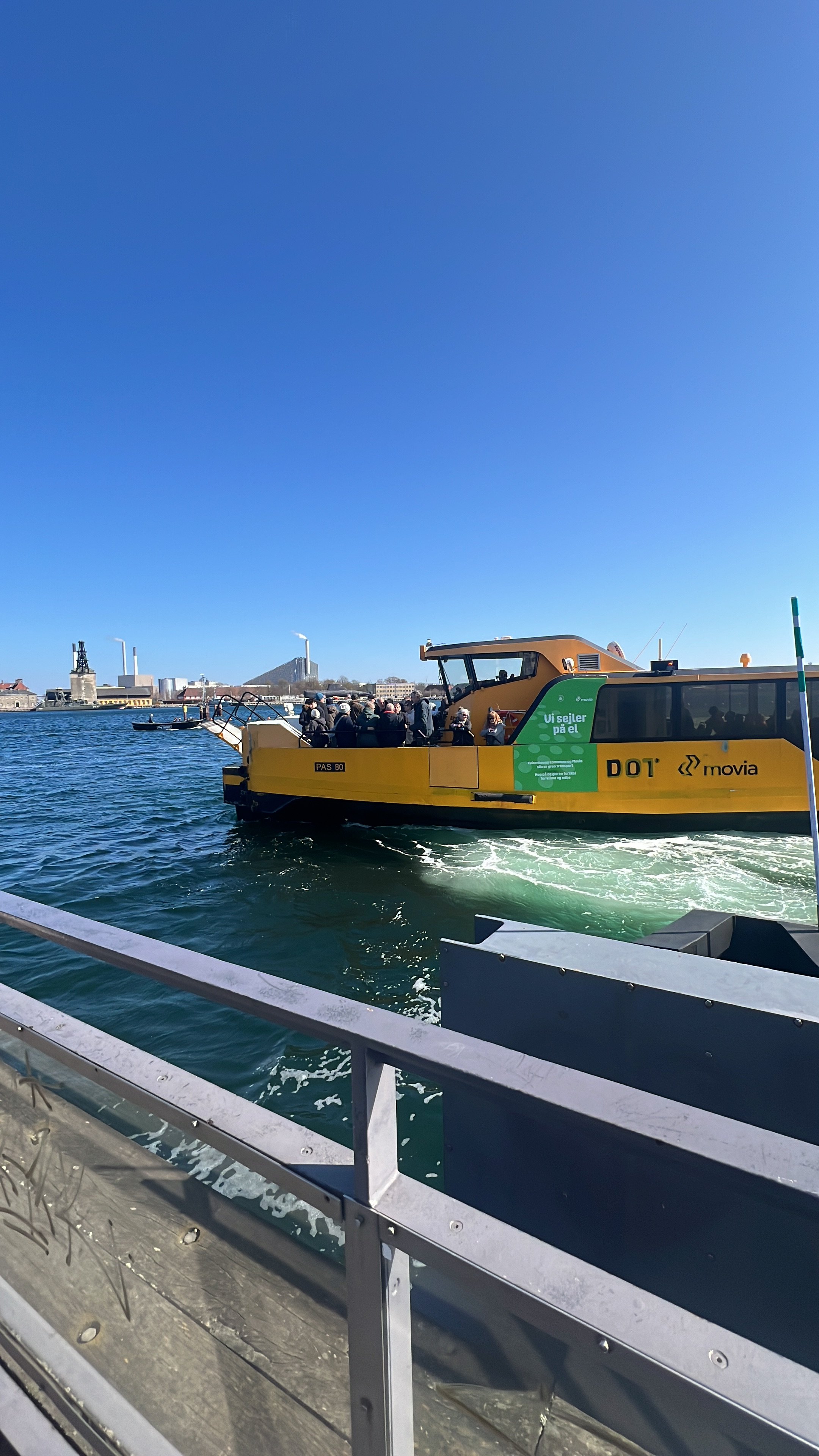
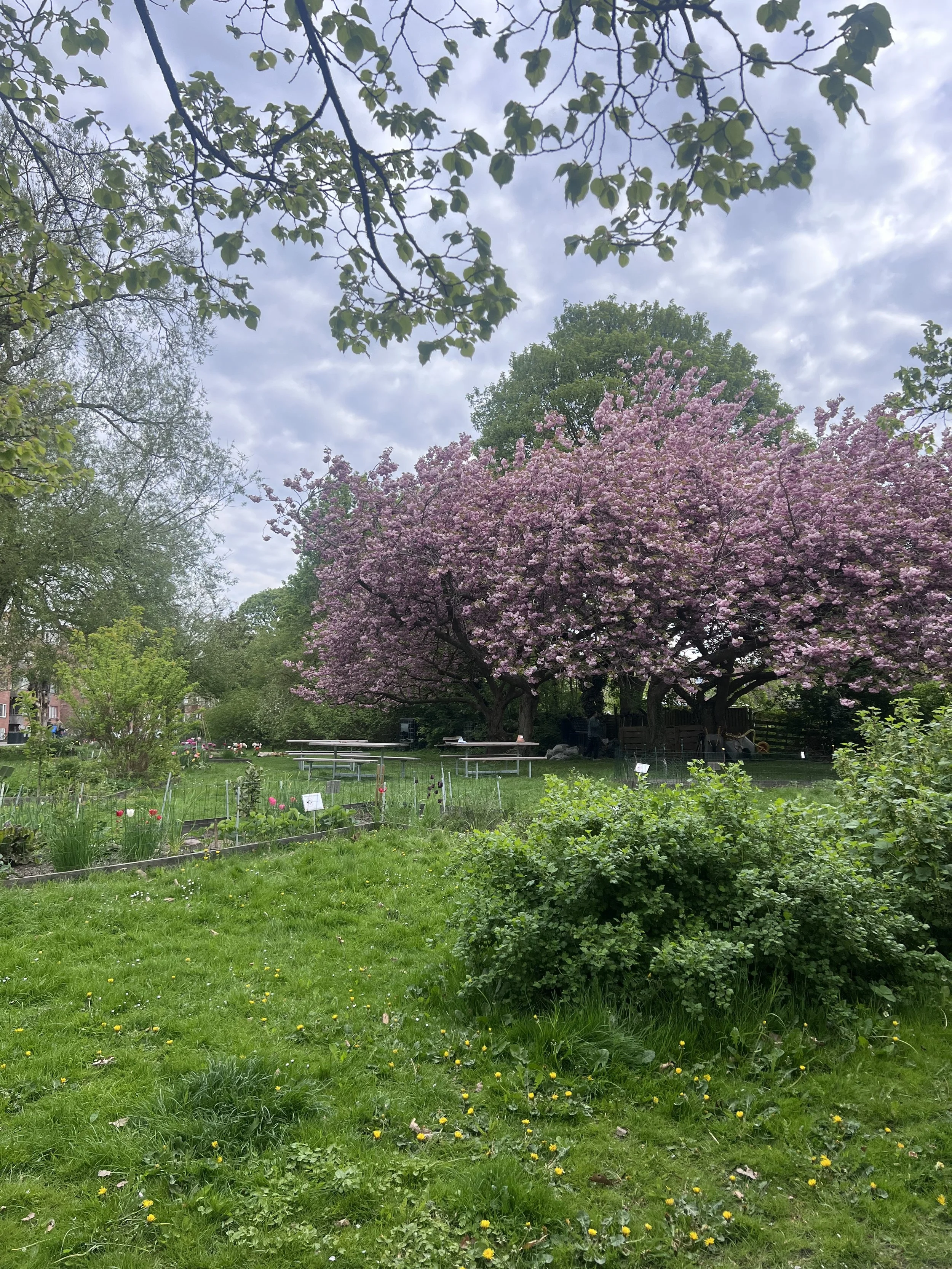
With that in mind, I see the happiness in Denmark. I feel it at night, when I am safe walking around, alone. It flows into my senses when I ride a bicycle on dedicated lanes through city streets, alongside parks, down the waterfront, breathing in crisp winter air or spring blossoms or beach breezes. It is the easy reassurance of being able to visit the doctor (for free) for any malady or concern, walk across the street to the apotek (pharmacy) and buy what I need (with a 65% discount after spending roughly $150 a year).
Of course, it is expensive here. Coffee and a pastry are often around 90 Danish krone ($14), a bus or metro ride around 16-23 DKK ($2.5-3.5), and even groceries seem more expensive than I recall in the UK or France. But then again, it seems everything is getting expensive everywhere these days — and at least here, the cost goes into livable wages and the welfare society that provides us all with safe cities, free healthcare & education, bike lanes, and more.
To be completely honest, I’ve been surprised that I haven’t fallen completely in love with Denmark, especially considering how much I truly feel full-body joy every time I ride a bike, and how much I like living in a city with beautiful architecture on the water. I suspect that my watery reaction is at least partially attributable to fluctuating issues with my depression, hormones, and medications along with stress and fatigue with school and work. But I also think that it’s also because Denmark isn’t providing me with much to have a strong reaction to — which is part of that peaceful, contented definition.
We live in such dopamine dosing, algorithmically attuned times that being in a place where the pace and setting are just more moderated may feel a bit dull. But when we realize that we can exhale — actually stop holding our breaths and just simply live in an environment where it’s not terribly hard to be at peace, then maybe we can recognize it as happiness. Because from that quiet, comfortable foundation, we can pursue and enjoy moments of joy and delight, which will always ebb and flow.
[This makes me remember seeing the Dalai Lama & Desmund Tutu in Dharamsala speak about their Book of Joy (which I then read; affiliate link to Bookshop). Randomly, that is my oldest post on Medium, back when I first started writing on that platform in 2015 during my second year of full-time travel. Anyway, the Dalai Lama is a bit problematic now and I’m not going to side-quest into a whole tangent about him or their book other than to say they make similar points that joy is possible in peace and comes not from the acquisition of things but in freedom.]
A final caveat: I do not think Denmark is perfect.
I know some of my classmates have had a harder time, for various reasons (from different degrees of racism to struggles with certain aspects of the healthcare system for specific needs, disability access & treatment, and even my own more specialized dermatology & allergy care). Every place and population has room for improvement, and Denmark is no exception. Even with a welfare state designed to care and provide the basic needs for all, some people and groups (as our professors have consistently pointed out) have less than others, suffer in poverty and disadvantage that shouldn’t exist.
But on the whole, and in my own experience, I can see how Denmark might be one of the happiest places, as far as human construction and society go, for a large scale of people. It is a benign, temperate declaration that I’m making, but when I consider the range of human experiences, the amount of pain and suffering happening this very moment to far too many people, the stress of modern life and cities designed to optimize profit and shuttle large vehicles (often belching smog and making a cacophony of mechanical and musical noise), then I think Denmark seems like a place where peace is more possible — because contentment and care were prioritized and planned for.